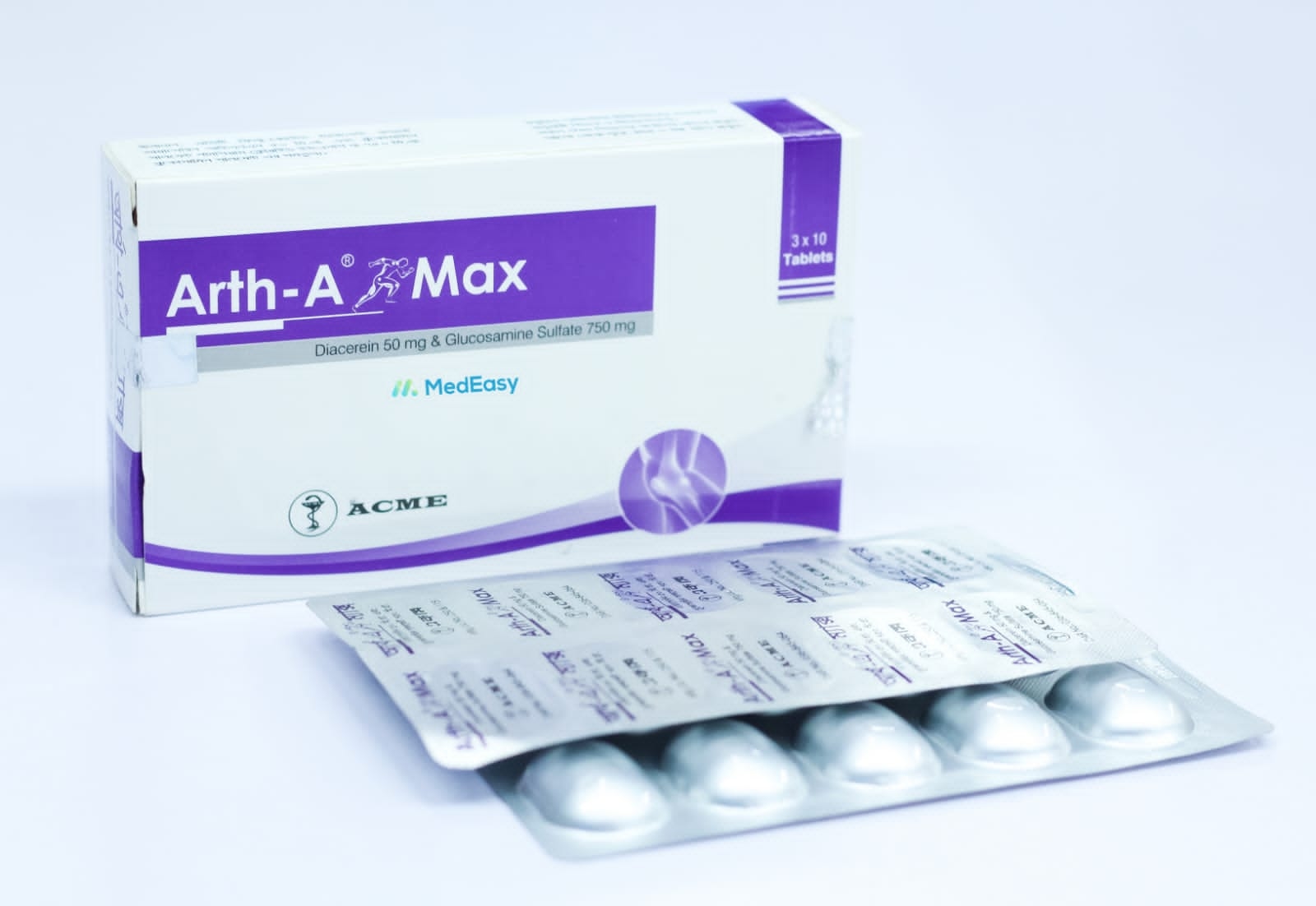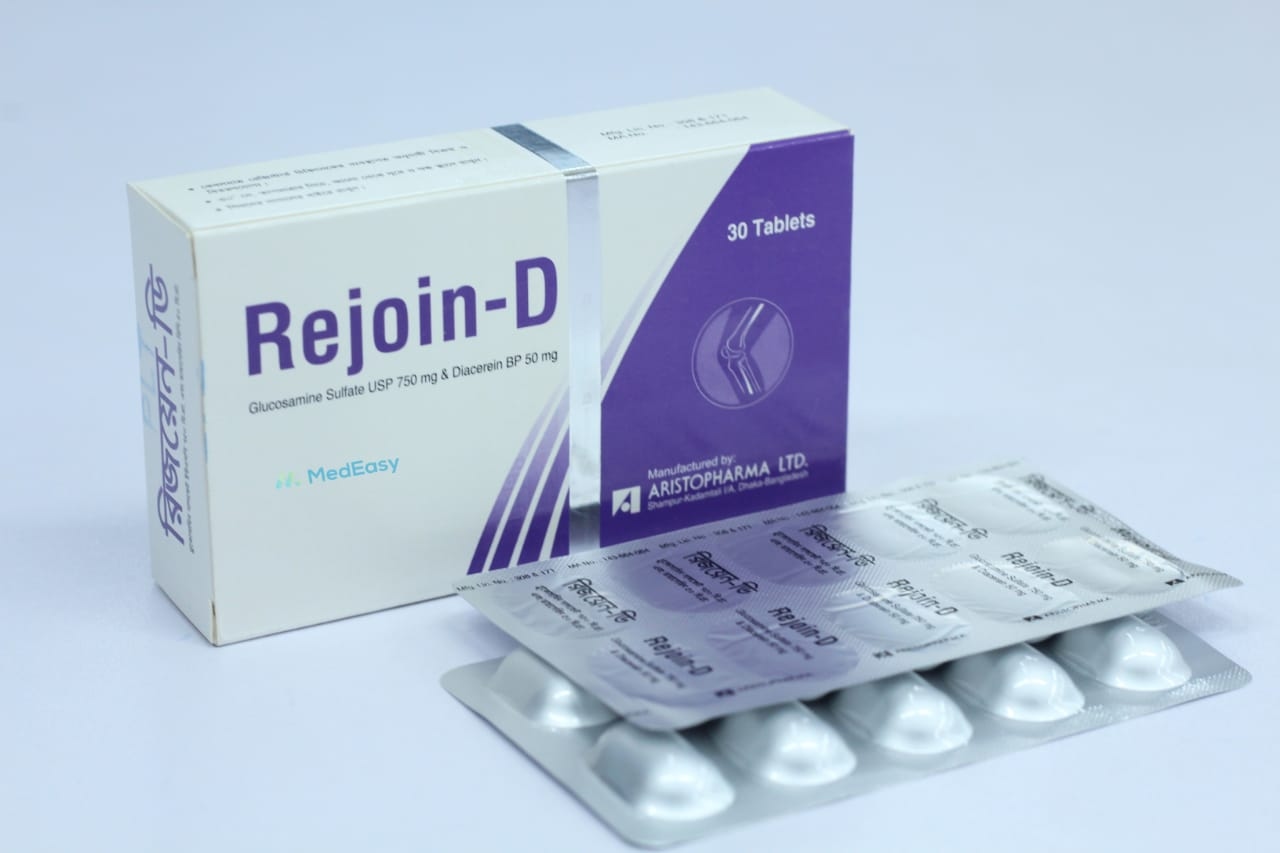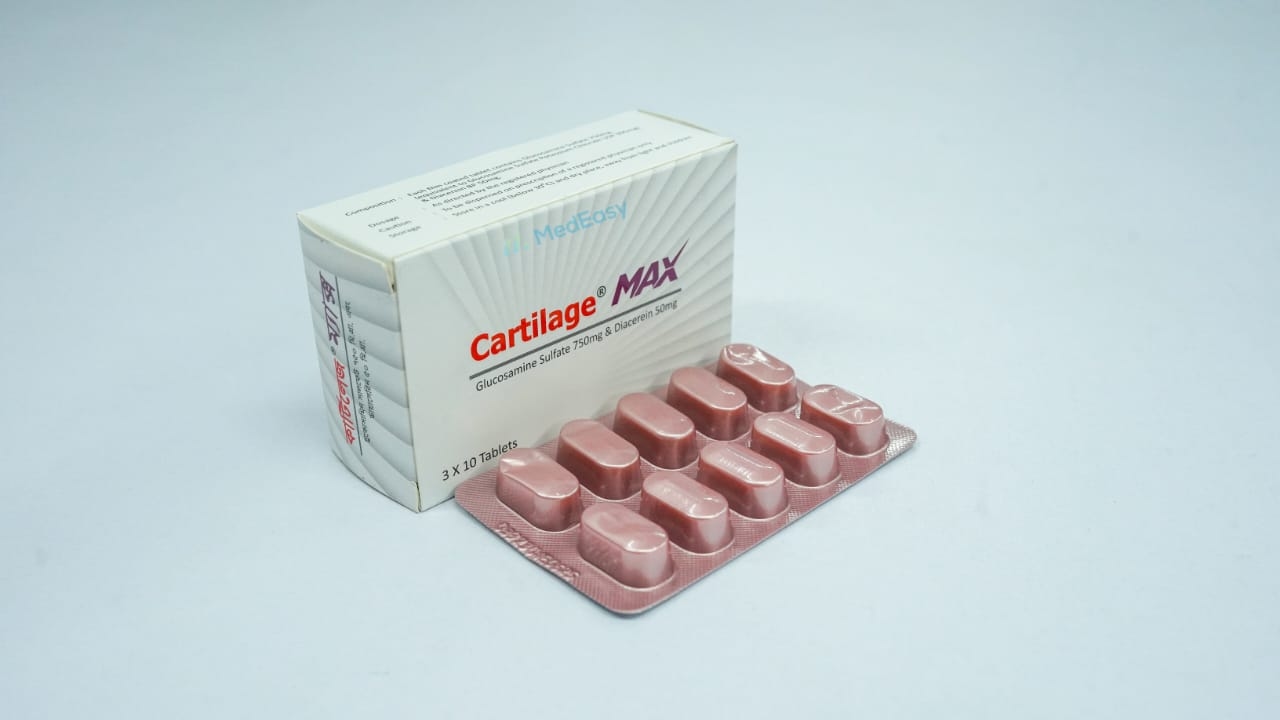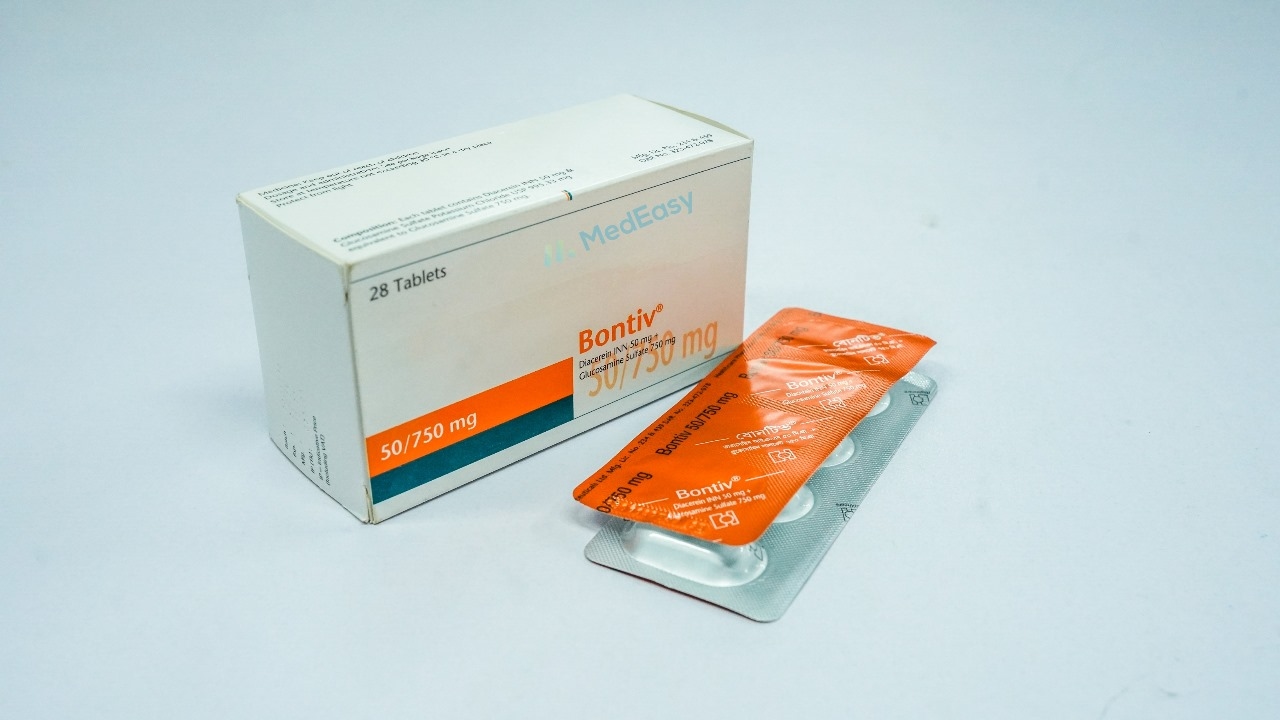
Bontiv750 mg+50
Healthcare Pharmaceuticals Ltd.

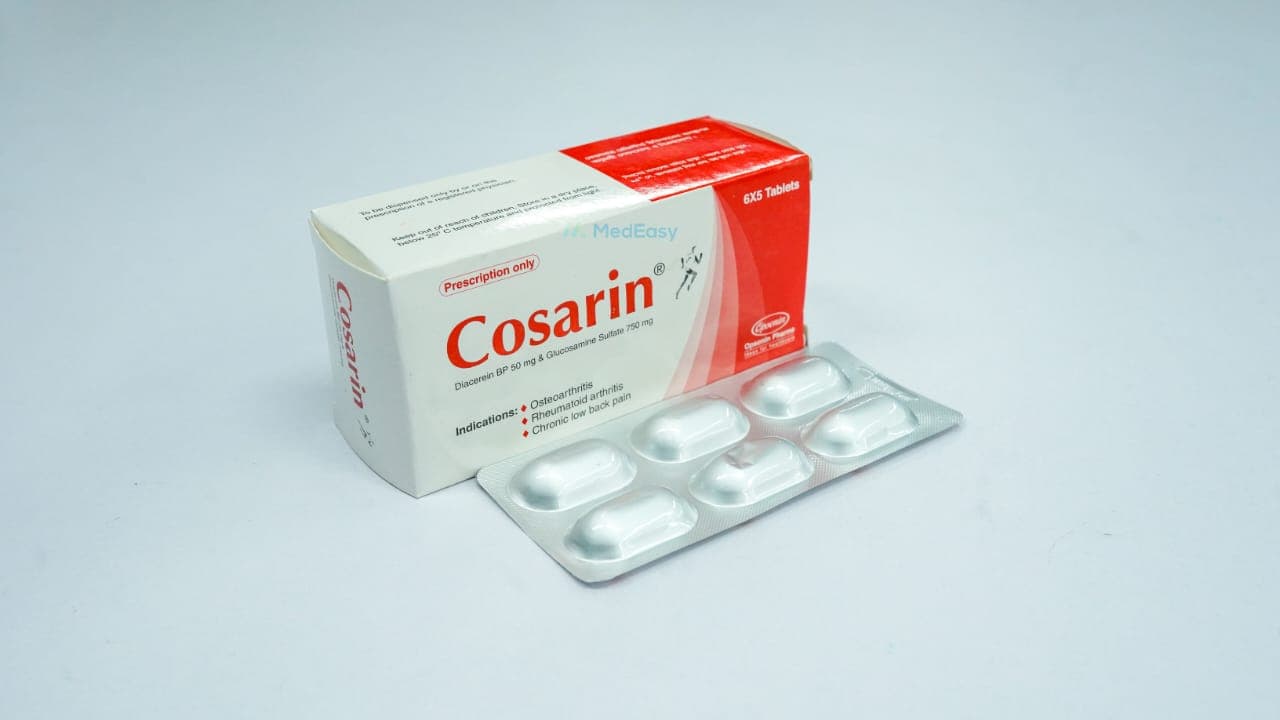
Cosarin is a fixed-dose combination used for the symptomatic management of osteoarthritis (OA), most commonly of the knee and hip.
Cosarin has a slow onset of action (clinical benefit is usually assessed after several weeks), so it is not intended for acute pain relief.
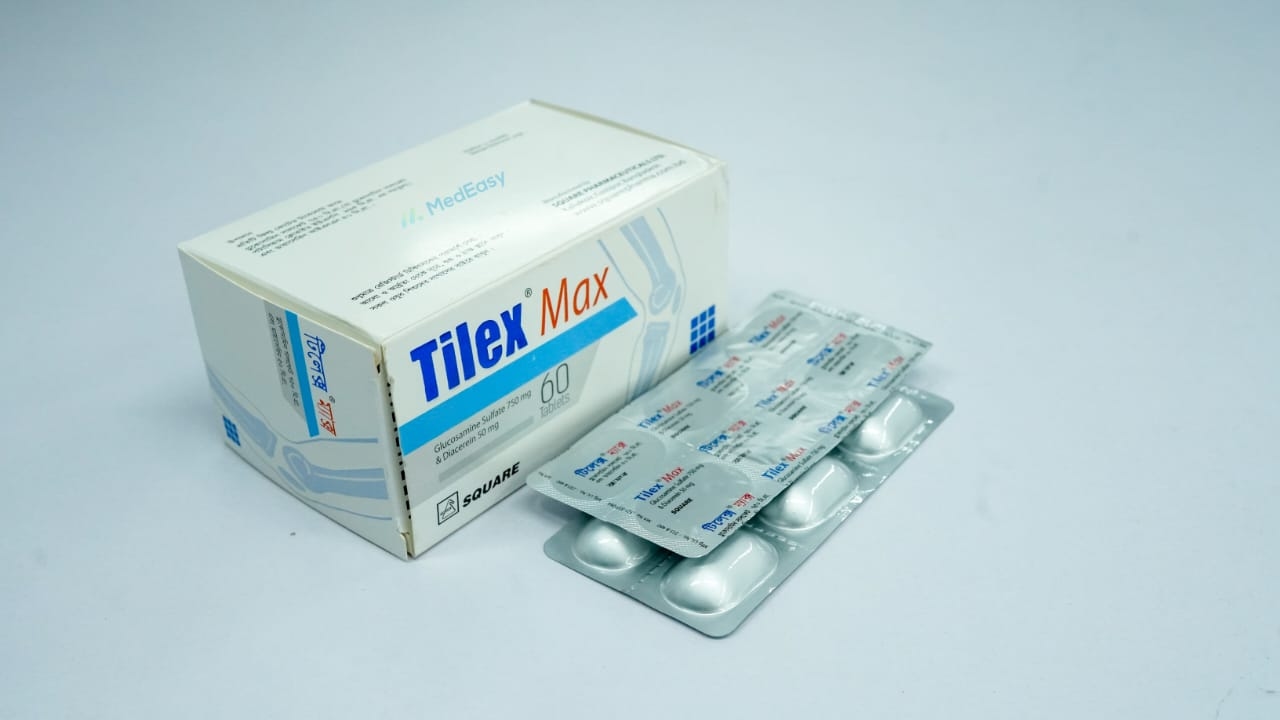
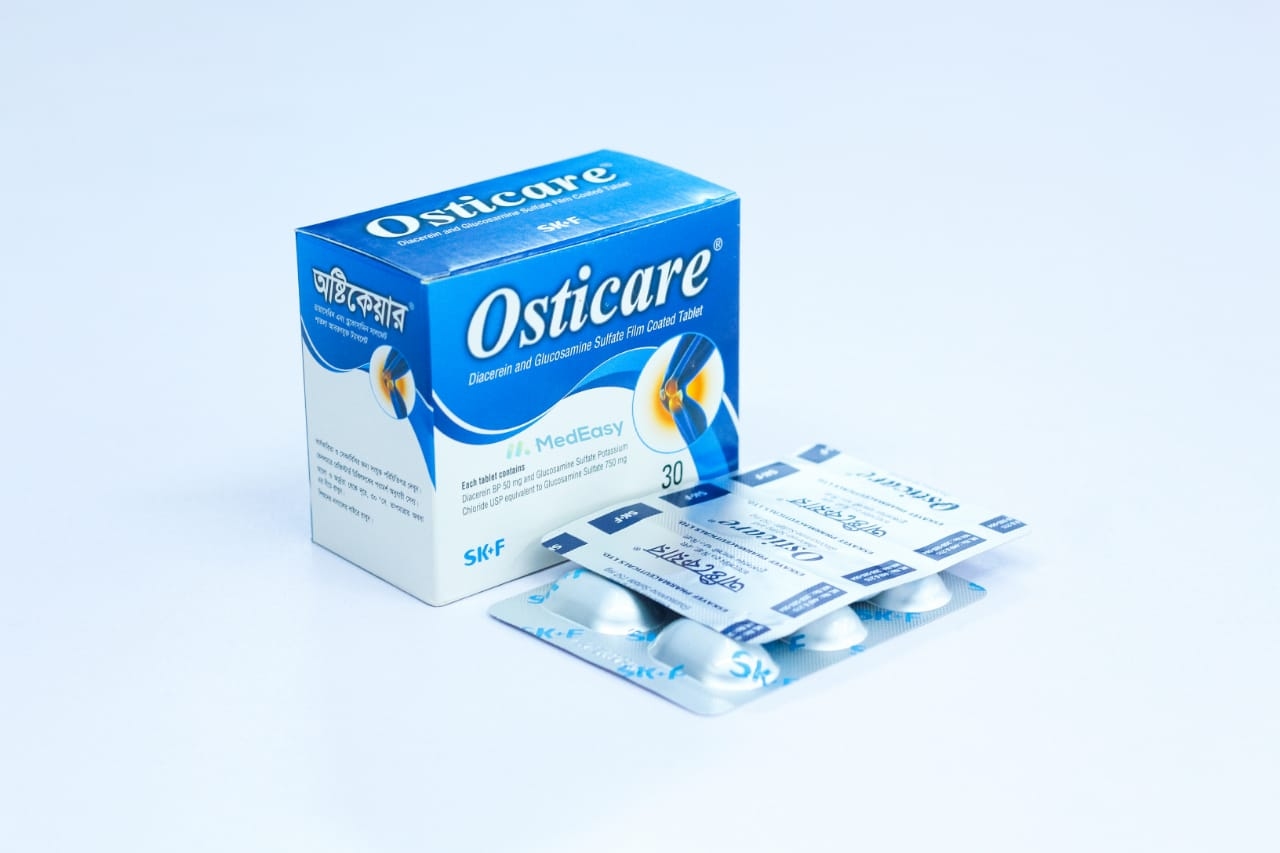
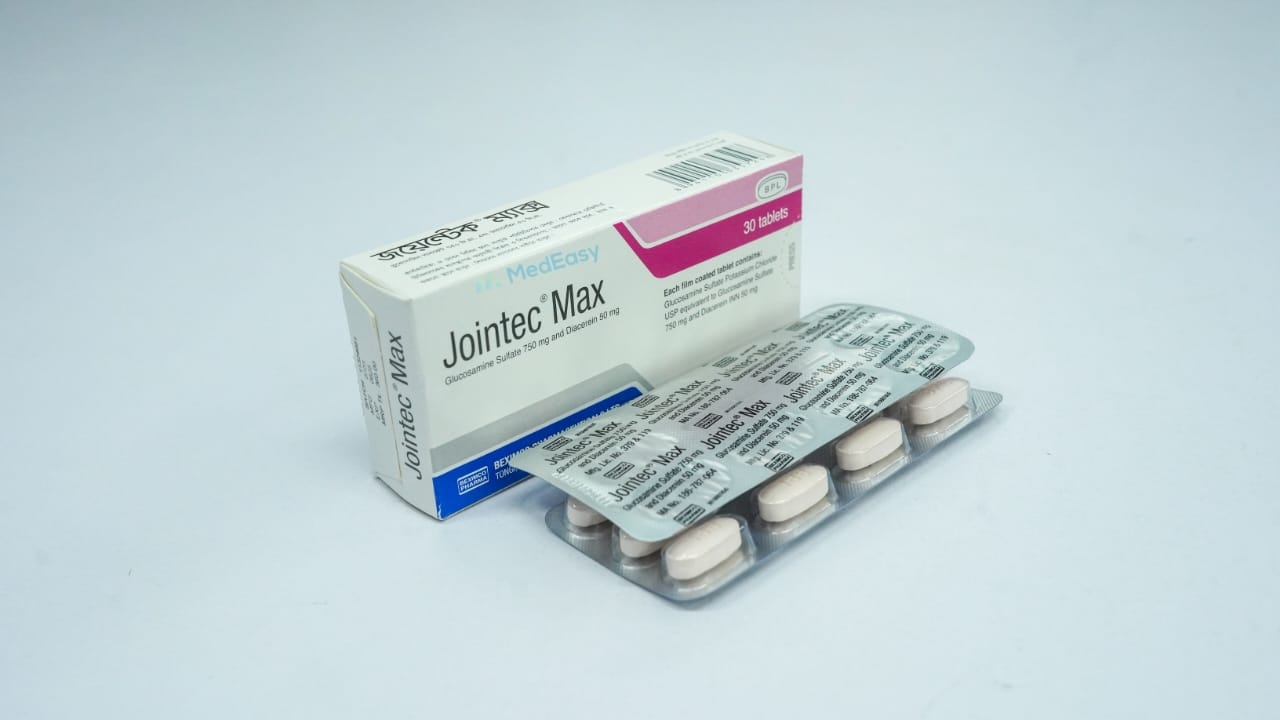
Each film-coated tablet of Glucosamine Sulphate + Diacerein typically contains Glucosamine Sulphate 750 mg (as glucosamine sulfate potassium chloride/sodium chloride complex) and Diacerein 50 mg. Strength and exact salt form may vary slightly by manufacturer/brand — always check the product label.
Cosarin combines two agents with complementary actions in osteoarthritis: diacerein, an anthraquinone derivative that reduces production and activity of interleukin-1 (IL-1), a key mediator of cartilage breakdown and joint inflammation; and glucosamine sulphate, a naturally occurring amino sugar that is a building block of cartilage glycosaminoglycans and proteoglycans.
Unlike NSAIDs, Cosarin does not significantly inhibit prostaglandin (cyclo-oxygenase) synthesis, so it is generally better tolerated on the stomach, though it carries its own distinct tolerability concerns (notably diarrhea) discussed under Side Effects and Precautions.
Cosarin belongs to the combination anti-osteoarthritic drug class: an Interleukin-1 (IL-1) inhibitor (diacerein) combined with a Symptomatic Slow-Acting Drug for Osteoarthritis / cartilage-matrix substrate (glucosamine sulphate).
Glucosamine Sulphate + Diacerein acts through two complementary mechanisms:
Diacerein is rapidly deacetylated to its active metabolite rhein, which is highly protein-bound, metabolised in the liver, and eliminated mainly via the kidneys (as glucuronide/sulfate conjugates) — this is why hepatic and renal function are relevant to safe use. Rhein conjugates can impart a yellow/pink discoloration to urine, which is harmless. Glucosamine sulphate is absorbed from the gut, distributed to cartilage and other tissues, and excreted predominantly via the kidneys.
| Population | Recommended dose of Cosarin |
|---|---|
| Adults | One tablet (Glucosamine Sulphate 750 mg + Diacerein 50 mg) twice daily with food, i.e. total Glucosamine Sulphate 1500 mg + Diacerein 100 mg per day, or as directed by the physician. |
To reduce the likelihood of diarrhea, some physicians prefer to start diacerein-containing products at a lower daily dose for the first 2–4 weeks before increasing to the standard maintenance dose; follow your physician's specific instructions for Cosarin, which may differ from this general principle for the individual diacerein component.
Not recommended; safety and efficacy of Cosarin in patients under 18 years have not been established (see Pediatric Use).
Cosarin is contraindicated in severe hepatic or severe renal impairment (see Contraindications). In mild-to-moderate impairment, use with caution and under medical supervision; periodic monitoring of liver function is advised (see Precautions and Warnings).
Take Cosarin tablets orally with food (e.g. with or just after a meal) to help reduce stomach upset; swallow the tablet whole with a glass of water — do not crush or chew unless the product is specifically designed for that. Take at evenly spaced times each day and continue for the duration advised by your physician.
The most common and dose-limiting side effect of Cosarin is diarrhea/loose stools (due to the diacerein component), which is usually mild-to-moderate, often occurs early in treatment, and may require dose reduction or discontinuation if severe or persistent.
Seek prompt medical attention for persistent or severe diarrhea, signs of liver problems (yellowing of skin/eyes, dark urine unrelated to the expected harmless discoloration, unusual fatigue, right upper abdominal pain), or any severe allergic reaction while taking Cosarin.
Cosarin is contraindicated in pregnancy and during breastfeeding. Animal and human safety data for the diacerein component in pregnancy are insufficient, and both components lack established safety in this setting. Cosarin should not be used by pregnant or breastfeeding women; if a patient becomes pregnant while taking Cosarin, it should be stopped and a physician consulted promptly for alternative management of joint symptoms.
Limited data are available on overdose with Cosarin. Overdose would be expected to mainly intensify known effects, particularly severe diarrhea, vomiting, and abdominal pain, with a theoretical risk of dehydration and electrolyte disturbance; effects on the liver cannot be excluded with excessive or prolonged overdosing.
There is no specific antidote. In case of suspected overdose, seek immediate medical attention or contact a poison control center/emergency services; supportive care (including rehydration and monitoring) will be provided by medical staff. Do not attempt specific home treatment beyond initial supportive measures (such as oral fluids) while awaiting medical care.
Store at room temperature (below 30°C), away from light and moisture. Keep out of reach of children.
Because Cosarin has a slow onset of symptomatic benefit, treatment is generally continued for at least 4–6 weeks before its effect is assessed, and courses of several weeks to a few months are typical for a treatment cycle. Continued use should be reassessed periodically by the prescribing physician — treatment should not be continued indefinitely without clinical review, and it should be discontinued if there is no meaningful symptomatic improvement after an adequate trial or if intolerable side effects (especially diarrhea or signs of liver problems) occur.
Glucosamine Sulphate + Diacerein — combination of an Interleukin-1 (IL-1) inhibitor / anthraquinone derivative (diacerein) and a Symptomatic Slow-Acting Drug for Osteoarthritis (SYSADOA) / cartilage-matrix substrate (glucosamine sulphate).
Glucosamine Sulphate + Diacerein works through two complementary mechanisms: diacerein and its active metabolite rhein suppress interleukin-1-driven cartilage-degrading enzyme activity and joint inflammation without inhibiting cyclo-oxygenase; glucosamine sulphate supplies a substrate used in synthesis of cartilage glycosaminoglycans/proteoglycans, supporting cartilage matrix maintenance. Together they are intended to provide gradual symptomatic relief in osteoarthritis rather than immediate analgesia.
The safety and efficacy of Cosarin in children and adolescents under 18 years have not been established, and it is not recommended for use in this age group. Osteoarthritis is uncommon in children, and Cosarin should only be considered in a pediatric patient under specialist advice if there is a specific, well-justified indication, which would be unusual.
Q: What is Cosarin 750 mg+50 mg Tablet used for?
A: Cosarin 750 mg+50 mg Tablet is used to relieve the pain and stiffness of osteoarthritis, most often of the knee or hip. It works gradually over weeks rather than providing immediate pain relief, so it is usually combined with other measures such as exercise, weight management, and short-term pain relievers when needed.
Q: Why does Cosarin 750 mg+50 mg Tablet cause diarrhea, and what should I do about it?
A: The diacerein component of Cosarin 750 mg+50 mg Tablet commonly causes diarrhea or loose stools, especially in the first weeks of treatment. Keep well hydrated and take the tablet with food. If diarrhea is severe, persistent, or you notice signs of dehydration, stop Cosarin 750 mg+50 mg Tablet and contact your physician.
Q: Can I take Cosarin 750 mg+50 mg Tablet if I am pregnant or breastfeeding?
A: No. Cosarin 750 mg+50 mg Tablet is contraindicated during pregnancy and breastfeeding because safety in this setting has not been established. If you are pregnant, planning pregnancy, or breastfeeding, do not take Cosarin 750 mg+50 mg Tablet and discuss alternative options for joint symptoms with your physician.
Q: Is Cosarin 750 mg+50 mg Tablet safe for my liver?
A: Cosarin 750 mg+50 mg Tablet should be avoided in people with severe liver disease, and liver enzyme elevation has been reported with the diacerein component. Your physician may check liver function tests before and during treatment. Stop Cosarin 750 mg+50 mg Tablet and seek medical advice promptly if you notice yellowing of the skin/eyes, unusual fatigue, or abdominal pain.
Q: I am allergic to shellfish — can I take Cosarin 750 mg+50 mg Tablet?
A: Use caution. The glucosamine component of Cosarin 750 mg+50 mg Tablet is often derived from shellfish shells, so people with a shellfish allergy should check the product source with their pharmacist and use Cosarin 750 mg+50 mg Tablet only after discussing the risk with a physician.
Q: How long does it take for Cosarin 750 mg+50 mg Tablet to work, and how long should I take it?
A: Cosarin 750 mg+50 mg Tablet has a slow onset of action; noticeable benefit is usually assessed after 4–6 weeks of regular use. Your physician will advise how long to continue based on your response, and treatment should be reviewed periodically rather than continued indefinitely without follow-up.
Disclaimer
The information provided is accurate to the best of our knowledge, but it does not replace professional medical advice. We cannot guarantee its completeness or accuracy, and the absence of specific information about a drug should not be taken as an endorsement. We are not responsible for any consequences arising from this information, so please consult a healthcare professional for any concerns or questions.