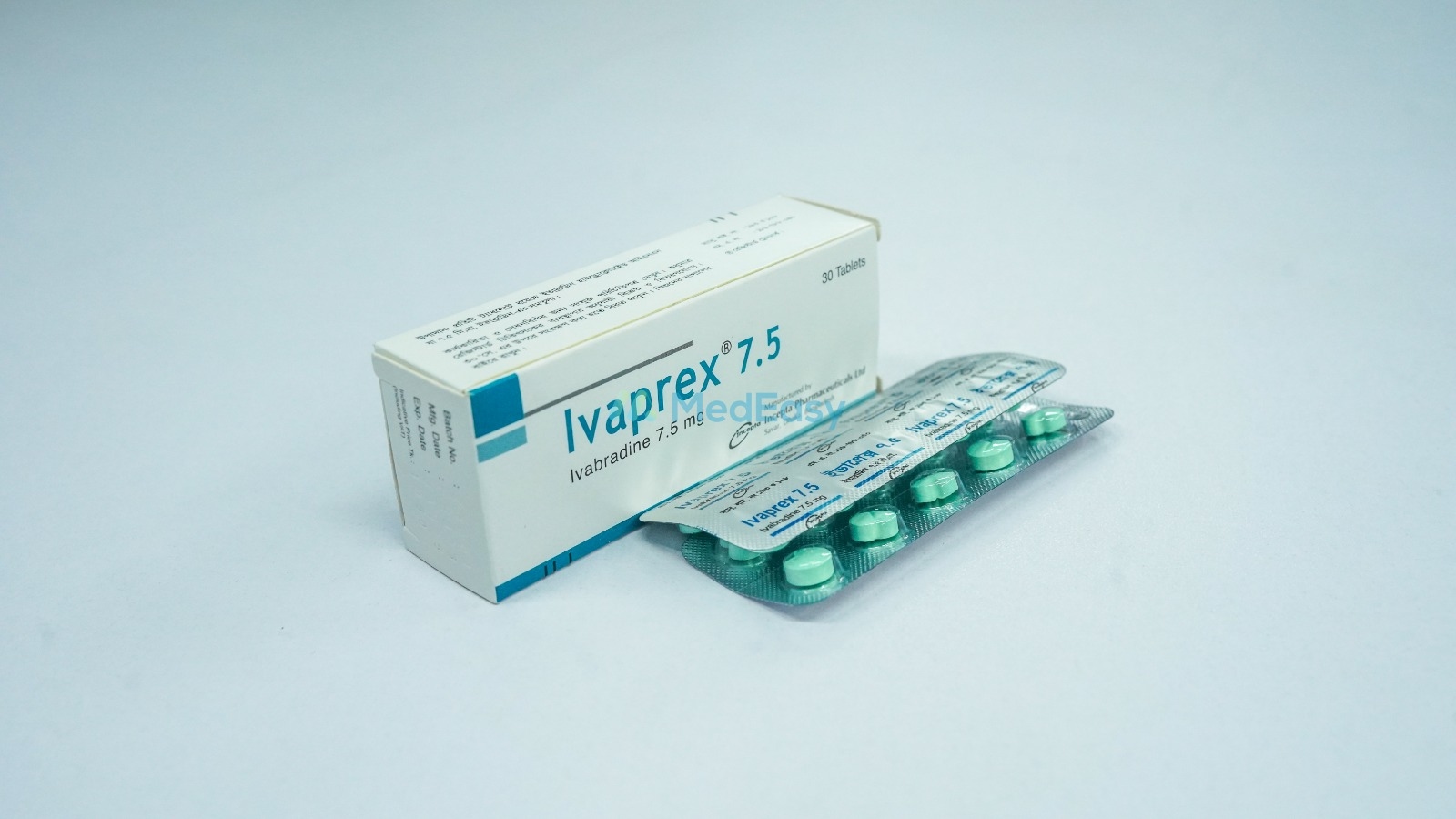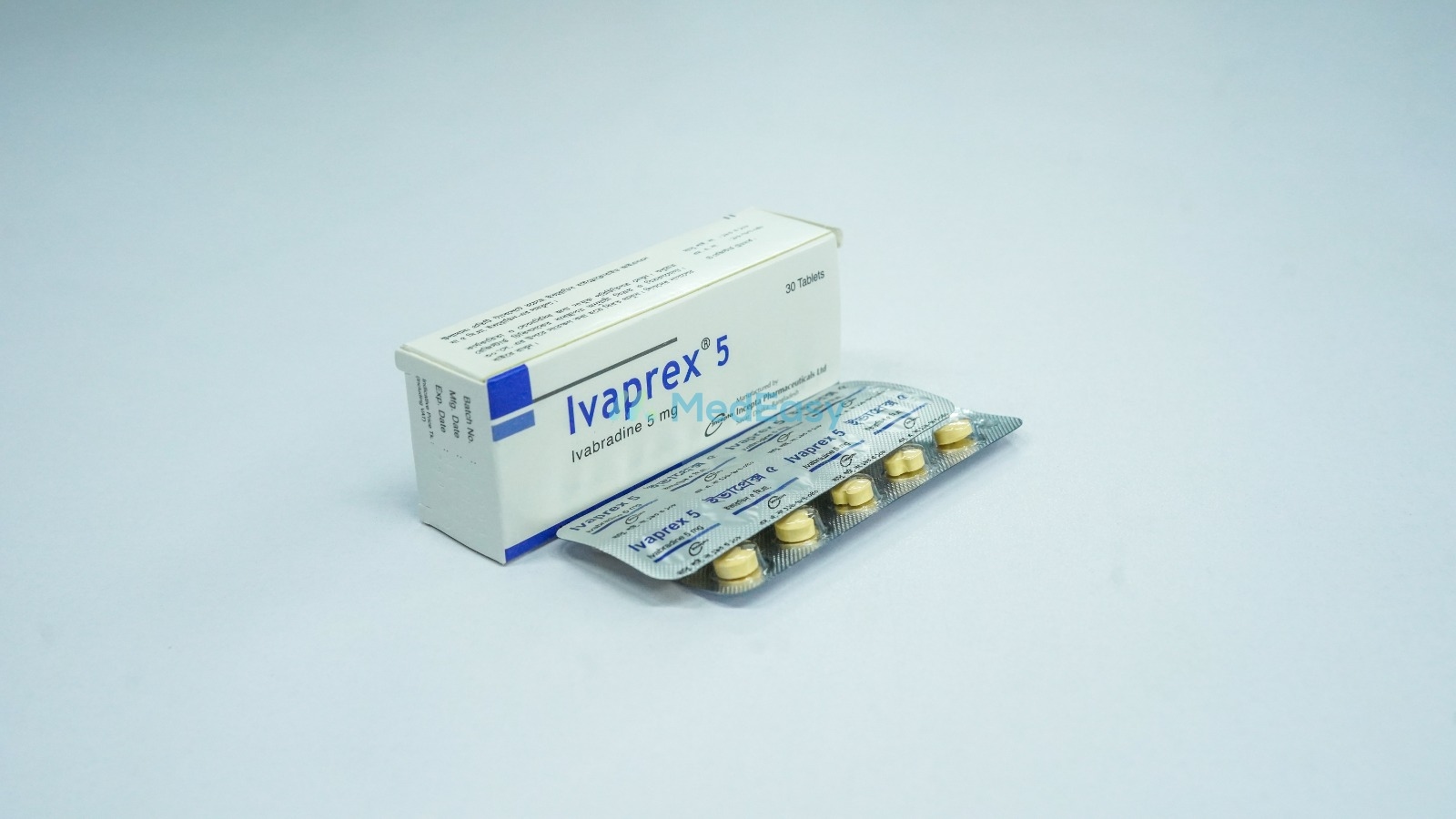
Generic medicine

Ivabradine: Brands, Price & Uses in Bangladesh

Established / Approved Indications Chronic heart failure (reduced ejection fraction): Ivabradine is indicated to reduce the risk of hospitalization for worsening heart failure in adult patients with…

Forms:Tablet

About Ivabradine

Indications of Ivabradine

Established / Approved Indications

  • Chronic heart failure (reduced ejection fraction): Ivabradine is indicated to reduce the risk of hospitalization for worsening heart failure in adult patients with stable, symptomatic chronic heart failure with left ventricular ejection fraction ≤35%, who are in sinus rhythm with a resting heart rate ≥70 beats per minute, and who are either on a maximally tolerated dose of a beta-blocker or have a contraindication to beta-blocker use. Ivabradine is used as an add-on to standard heart failure therapy, not as a substitute for it.
  • Pediatric heart failure due to dilated cardiomyopathy: Ivabradine is indicated to treat stable symptomatic heart failure due to dilated cardiomyopathy in pediatric patients 6 months of age and older who are in sinus rhythm with an elevated heart rate.

Guideline-Supported / Adjunct Use (Market-Dependent)

  • Chronic stable angina pectoris: in several markets, Ivabradine is also approved as an adjunct for symptomatic treatment of chronic stable angina in adults with normal sinus rhythm who cannot tolerate or have contraindications to beta-blockers, or in combination with beta-blockers when heart rate remains inadequately controlled and dose up-titration of the beta-blocker is not possible. This use is not part of the core FDA label but is supported by clinical trial data and included in several international labels.

Note: Ivabradine must always be used as an adjunct to, not a replacement for, guideline-directed therapy such as beta-blockers, ACE inhibitors/ARBs/ARNI, mineralocorticoid receptor antagonists, and SGLT2 inhibitors in heart failure.

Dosage & Administration of Ivabradine

Heart Failure (Adults)

StepDose
Usual starting dose5 mg twice daily with food
Starting dose (patients with conduction defects or otherwise vulnerable to excessive heart-rate lowering, e.g. age >75)2.5 mg twice daily with food
TitrationAfter 2 weeks, adjust based on resting heart rate to target a resting heart rate between 50–60 beats per minute
Maximum dose7.5 mg twice daily
If heart rate is persistently below 50 bpm or symptoms of bradycardia occurDown-titrate or discontinue as directed by the physician

Chronic Stable Angina (Adults, where approved)

Usual starting dose 5 mg twice daily, titrated after 3–4 weeks based on response and tolerability, up to a maximum of 7.5 mg twice daily, guided by resting heart rate and anginal symptoms.

Pediatric Heart Failure (Dilated Cardiomyopathy), Age ≥ 6 Months

Body weightStarting doseMaximum dose
< 40 kg0.05 mg/kg twice daily with foodUp to 0.2 mg/kg twice daily (age 6–12 months) or 0.3 mg/kg twice daily (age ≥1 year), not exceeding 7.5 mg twice daily
≥ 40 kg2.5 mg twice daily with food7.5 mg twice daily

In pediatric patients, dose is titrated approximately every 2 weeks in increments guided by heart-rate response, under close physician supervision.

Missed Dose

If a dose of Ivabradine is missed, the next dose should be taken at the usual scheduled time; patients should not double the dose to make up for a missed one.

Side Effects of Ivabradine

Very Common / Common

  • Bradycardia (excessively slow heart rate) — the most frequent and dose-related adverse effect of Ivabradine; usually occurs within the first months of treatment.
  • Luminous phenomena (phosphenes) — a transient enhanced brightness in a limited area of the visual field, halos, or image decomposition; a distinctive and well-recognized effect of Ivabradine, usually triggered by sudden changes in light intensity and resolving within the first months of treatment.
  • Atrial fibrillation (increased incidence reported with Ivabradine versus placebo).
  • Hypertension or elevation in blood pressure (reported paradoxically in some patients).
  • Headache, dizziness (usually mild and occurring early in treatment).
  • Blurred vision, diplopia (double vision).

Uncommon / Rare (including postmarketing reports)

  • First-, second-, or third-degree AV block; ventricular extrasystoles.
  • Syncope, hypotension.
  • Torsades de pointes, ventricular tachycardia/fibrillation (rare, generally in predisposed patients).
  • Angioedema, rash, pruritus, urticaria.
  • Nausea, constipation, diarrhoea.
  • Vertigo.

Contraindications of Ivabradine

  • Known hypersensitivity to Ivabradine or any component of the formulation.
  • Acute decompensated heart failure.
  • Clinically significant hypotension (blood pressure below approximately 90/50 mmHg).
  • Sick sinus syndrome, sinoatrial block, or third-degree atrioventricular (AV) block, unless a functioning demand pacemaker is in place.
  • Resting heart rate below 70 bpm prior to treatment.
  • Severe hepatic impairment (Child-Pugh class C).
  • Pacemaker dependence (heart rate exclusively paced).
  • Concomitant use of strong CYP3A4 inhibitors (see Drug Interactions).

Frequently Asked Questions about Ivabradine

What is Ivabradine used for?

Ivabradine is mainly used to reduce the risk of hospitalization in adults with chronic heart failure with reduced ejection fraction who have a resting heart rate of 70 bpm or higher and are already on maximally tolerated beta-blocker therapy or cannot take beta-blockers. In some countries it is also used as an add-on treatment for chronic stable angina, and in children 6 months and older for heart failure due to dilated cardiomyopathy.

How should I take Ivabradine?

Ivabradine should be taken by mouth twice daily, with food, at approximately the same times each day (e.g., with breakfast and dinner). Do not stop or change the dose of Ivabradine without consulting your physician, as this can affect heart-rate control.

Why do I see flashes of light or brightness while taking Ivabradine?

This effect, called phosphenes or luminous phenomena, is a well-known and distinctive side effect of Ivabradine. It usually appears as a brief increase in brightness in part of the visual field, often triggered by sudden changes in light, and typically improves within the first months of treatment. If it is severe, persistent, or bothersome, discuss it with your physician.

Can Ivabradine be taken during pregnancy or while breastfeeding?

Ivabradine should not be used during pregnancy unless clearly necessary, because animal studies have shown harm to the developing fetus and there is limited human data; women who could become pregnant should use effective contraception while taking Ivabradine. Breastfeeding is generally not recommended during treatment with Ivabradine. Always consult your physician before use if you are pregnant, planning pregnancy, or breastfeeding.

Who should not take Ivabradine?

Ivabradine should not be used in people with known hypersensitivity to it, acute decompensated heart failure, significant low blood pressure, sick sinus syndrome or certain heart block conditions without a functioning pacemaker, a pre-treatment resting heart rate below 70 bpm, severe liver impairment, or in combination with strong CYP3A4-inhibiting medicines (such as certain antifungals, macrolide antibiotics, or HIV protease inhibitors). Tell your doctor about all your medical conditions and medicines before starting Ivabradine.

What should I do if I miss a dose or take too much Ivabradine?

If you miss a dose of Ivabradine, take your next dose at the usual time — do not double the dose. If you or someone else has taken too much Ivabradine, seek immediate medical attention or contact a poison control center, as overdose can cause severe slowing of the heart rate that needs medical monitoring and treatment.

Disclaimer

The information provided is accurate to the best of our knowledge, but it does not replace professional medical advice. We cannot guarantee its completeness or accuracy, and the absence of specific information about a drug should not be taken as an endorsement. We are not responsible for any consequences arising from this information, so please consult a healthcare professional for any concerns or questions.

DoctorBlogArticles