
8% Off
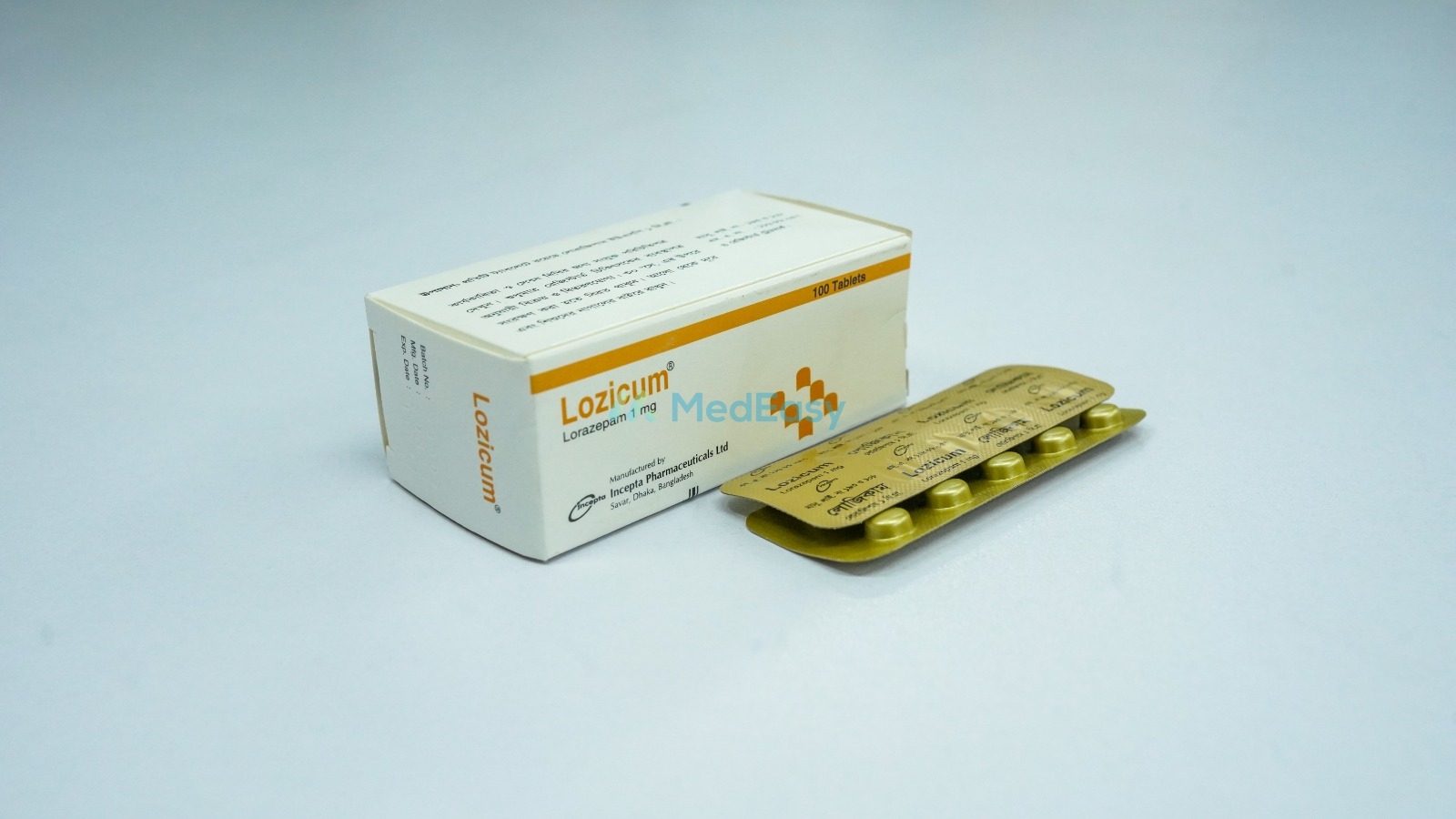
Lozicum1 mg
Incepta Pharmaceuticals Ltd.
৳18.40
Add to cart
Lorazepam is a benzodiazepine indicated for the following uses: Established / FDA-approved uses Anxiety disorders: short-term relief (generally not longer than 4 months) of the symptoms of anxiety and more.
Lorazepam is a benzodiazepine indicated for the following uses:
Lorazepam is not indicated for the treatment of anxiety associated with everyday stress, and long-term use is generally not recommended.
| Indication | Typical Adult Dose |
|---|---|
| Anxiety disorders (oral) | 1–10 mg/day in divided doses; a common starting dose is 2–3 mg/day given 2–3 times daily, titrated to response. Larger doses at bedtime, smaller during the day. |
| Insomnia associated with anxiety (oral, off-label) | 2–4 mg at bedtime. |
| Status epilepticus (IV, hospital setting) | Typically 4 mg given by slow intravenous injection; may be repeated once after 10–15 minutes if seizures persist, per treating physician's judgment. |
| Preanesthetic sedation (IM/IV) | Dose individualized by the anesthesia provider based on age, weight, and clinical status. |
A lower starting dose (e.g., 1–2 mg/day in divided doses) is recommended, adjusted according to response and tolerability, due to increased sensitivity to sedative effects.
Because Lorazepam is metabolized by glucuronidation rather than oxidative liver metabolism, it is often preferred in patients with hepatic impairment compared with other benzodiazepines; nonetheless, dose reduction and close monitoring are advised in significant hepatic or renal impairment.
Oral tablets may be taken with or without food. Injectable Lorazepam must be administered only by trained healthcare professionals in a setting equipped to manage sedation and respiratory depression.
Lorazepam should be used at the lowest effective dose for the shortest duration necessary, as prescribed by a physician.
The most common side effects of Lorazepam are related to central nervous system depression and include:
Less common effects include headache, blurred vision, nausea, changes in appetite, and skin rash. Rarely, paradoxical reactions such as agitation, irritability, or aggression can occur, especially in children and the elderly. Abrupt discontinuation after prolonged use can cause withdrawal symptoms (see Precautions and Warnings). Patients should report any unusual or severe side effects to their physician promptly.
Lorazepam is contraindicated in patients with:
Concomitant use with opioids carries a boxed warning for risk of profound sedation, respiratory depression, coma, and death (see Interactions and Precautions), and should be avoided unless no alternative treatment options are adequate.
Disclaimer
The information provided is accurate to the best of our knowledge, but it does not replace professional medical advice. We cannot guarantee its completeness or accuracy, and the absence of specific information about a drug should not be taken as an endorsement. We are not responsible for any consequences arising from this information, so please consult a healthcare professional for any concerns or questions.