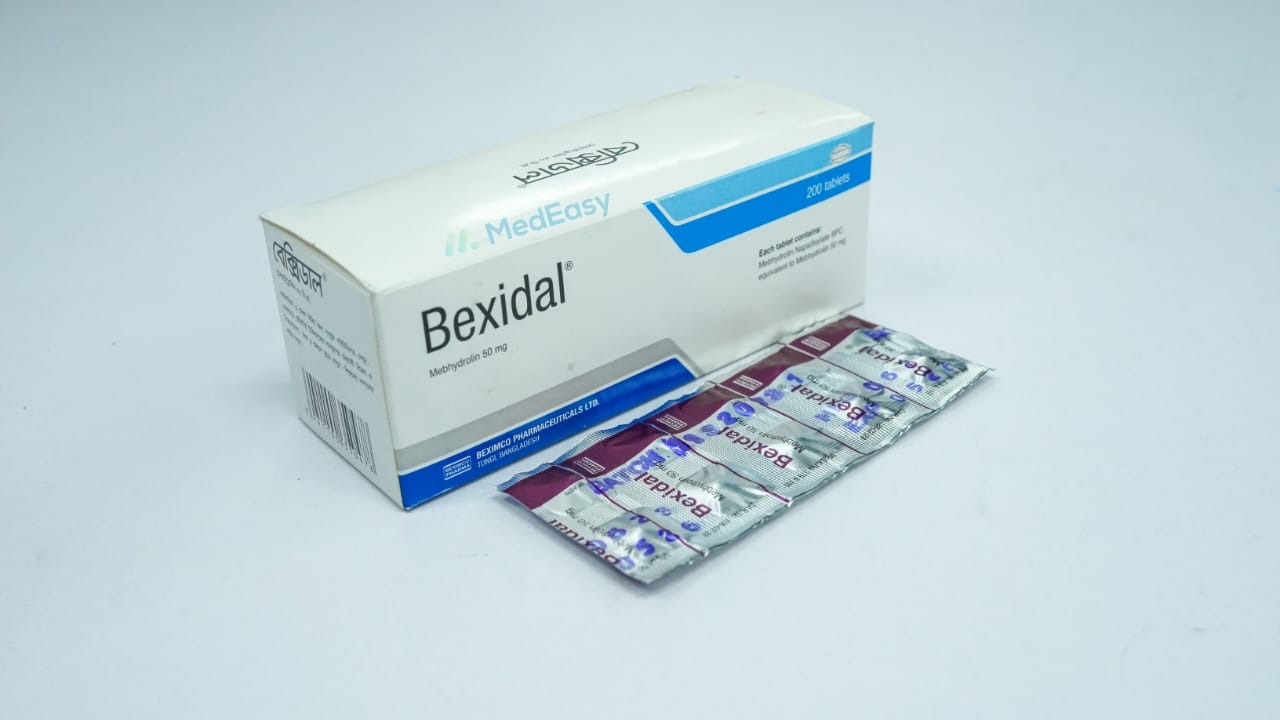
Generic medicine

Mebhydrolin Napadisylate: Brands, Price & Uses in Bangladesh

Established / Labeled Uses Allergic rhinitis (seasonal/perennial hay fever, vasomotor rhinitis) — Mebhydrolin Napadisylate is used for symptomatic relief of sneezing, nasal itching, and rhinorrhea.

Forms:Tablet

About Mebhydrolin Napadisylate

Indications of Mebhydrolin Napadisylate

Established / Labeled Uses

  • Allergic rhinitis (seasonal/perennial hay fever, vasomotor rhinitis) — Mebhydrolin Napadisylate is used for symptomatic relief of sneezing, nasal itching, and rhinorrhea.
  • Urticaria (hives) and pruritus — Mebhydrolin Napadisylate relieves itching and skin wheals associated with allergic skin reactions.
  • Allergic dermatoses and eczema — used adjunctively for itching related to allergic skin conditions.
  • Allergic conjunctivitis — for itching and irritation of the eyes due to allergy.
  • Insect bite reactions and drug rash — for symptomatic relief of localized allergic itching/swelling.

Guideline/Adjunct Use

  • Allergic (extrinsic) asthma — Mebhydrolin Napadisylate may be used as an adjunct to standard bronchodilator/anti-inflammatory asthma therapy for allergic symptom relief; it is not a substitute for controller asthma therapy.

Note: Mebhydrolin Napadisylate is not marketed or FDA-approved in the United States; the uses above reflect labeling and clinical use in countries where it is marketed (including Bangladesh).

Dosage & Administration of Mebhydrolin Napadisylate

Adults and Children over 10 years

Mebhydrolin Napadisylate 50 mg tablets: 2 to 6 tablets (100-300 mg) per day, in divided doses.

Pediatric Dosing (per local labeling)

Age GroupDose
5-10 years2-4 tablets (100-200 mg) daily, in divided doses
2-5 years1-3 tablets (50-150 mg) daily, in divided doses
Under 2 years1-2 tablets (50-100 mg) daily, in divided doses, only under direct physician guidance

Mebhydrolin Napadisylate tablets are usually taken with meals to reduce gastric irritation, and may be crushed and mixed with food for young children who cannot swallow tablets whole. Doses should be divided evenly through the day as advised by the prescriber.

Renal/Hepatic impairment: No well-established dose-adjustment guidelines exist; use with caution and under medical supervision in patients with significant hepatic or renal impairment, as drug clearance may be reduced (see Precautions).

Side Effects of Mebhydrolin Napadisylate

The most common adverse effect is sedation/drowsiness, which is typically dose-related. Other reported side effects include:

  • Dizziness, headache, and muscular weakness
  • Dry mouth, blurred vision, and other mild anticholinergic effects
  • Gastrointestinal upset: nausea, vomiting, epigastric pain, diarrhea, or constipation
  • Hypotension (uncommon)
  • Tinnitus
  • Paradoxical CNS stimulation or, rarely, depression/mood changes

Severe allergic reactions (e.g., rash, angioedema) to Mebhydrolin Napadisylate itself are rare but should prompt immediate discontinuation and medical attention.

Contraindications of Mebhydrolin Napadisylate

Mebhydrolin Napadisylate is contraindicated in patients with known hypersensitivity to Mebhydrolin Napadisylate or to any component of the formulation. There are no other well-established absolute contraindications; conditions such as narrow-angle glaucoma, prostatic hypertrophy/urinary retention, severe asthma/COPD, and early pregnancy warrant caution rather than absolute avoidance — see Precautions and Warnings and Pregnancy and Lactation.

Frequently Asked Questions about Mebhydrolin Napadisylate

What is Mebhydrolin Napadisylate used for?

Mebhydrolin Napadisylate is a first-generation antihistamine used to relieve allergic symptoms such as itching, hives (urticaria), allergic rhinitis (sneezing, runny/itchy nose), allergic conjunctivitis, and skin reactions like insect bites or drug rash.

Does Mebhydrolin Napadisylate cause drowsiness?

Yes. Mebhydrolin Napadisylate is a sedating (first-generation) antihistamine, and drowsiness is its most common side effect. Avoid driving or operating machinery until you know how it affects you, and avoid alcohol while taking it, as alcohol can worsen sedation.

Can Mebhydrolin Napadisylate be given to children?

Mebhydrolin Napadisylate can be used in children from about 2 years of age using age-based dosing under medical guidance, but its safety and efficacy in infants under 2 years have not been well established, so it is generally not recommended in this age group except under a doctor's direct supervision.

Is Mebhydrolin Napadisylate safe during pregnancy or breastfeeding?

The safety of Mebhydrolin Napadisylate in pregnancy and breastfeeding has not been well established, and it is generally avoided in the first trimester of pregnancy. It should only be used during pregnancy or lactation if a physician determines that the benefit outweighs the potential risk to the baby.

Who should not take Mebhydrolin Napadisylate?

Anyone with a known hypersensitivity (allergy) to Mebhydrolin Napadisylate or any ingredient in the tablet should not take it. People with narrow-angle glaucoma, prostate enlargement/urinary retention, asthma/COPD, or who are elderly should use it cautiously and only under medical advice.

What should I do if I take too much Mebhydrolin Napadisylate?

An overdose of Mebhydrolin Napadisylate can cause severe drowsiness, or in children, unusual excitation, along with symptoms like dry mouth, flushing, and rapid heartbeat. If overdose is suspected, seek immediate medical attention or contact emergency/poison control services right away rather than attempting home treatment.

Disclaimer

The information provided is accurate to the best of our knowledge, but it does not replace professional medical advice. We cannot guarantee its completeness or accuracy, and the absence of specific information about a drug should not be taken as an endorsement. We are not responsible for any consequences arising from this information, so please consult a healthcare professional for any concerns or questions.
DoctorBlogArticles
