Generic medicine

Methotrexate: Brands, Price & Uses in Bangladesh

Established / FDA-approved uses Oncology (high-dose or intensive regimens): acute lymphoblastic leukemia (including meningeal leukemia, given intrathecally), non-Hodgkin lymphoma and more.

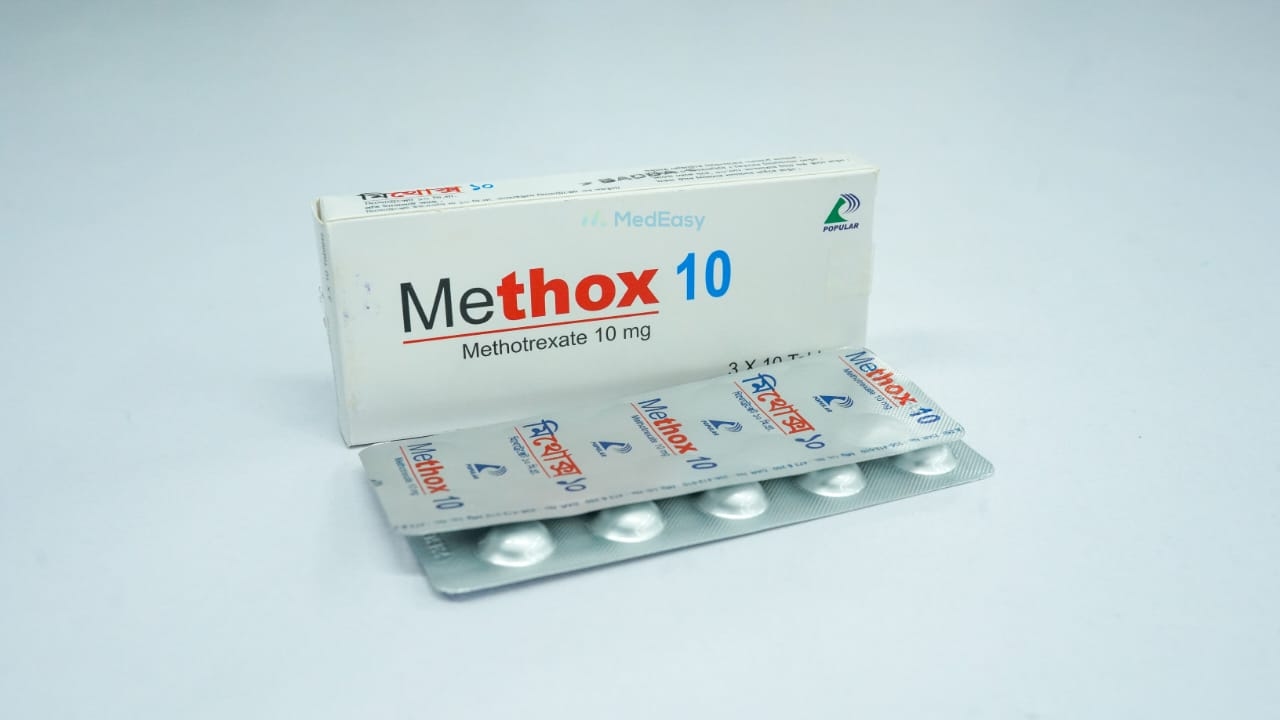
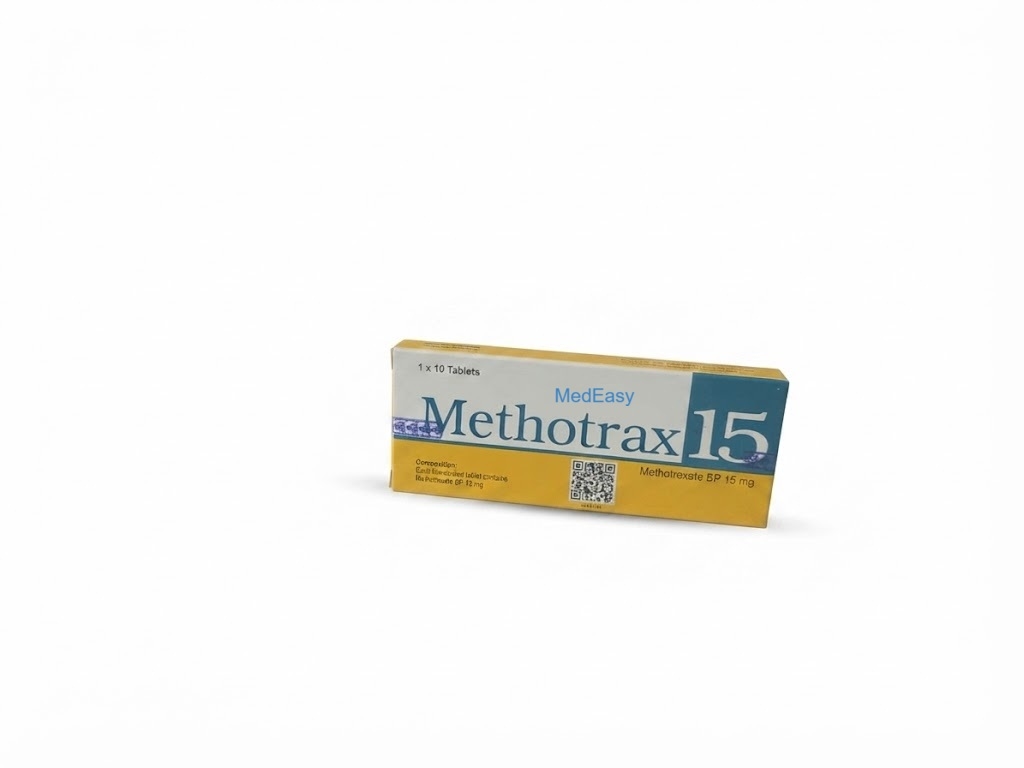
Forms:TabletInjection

About Methotrexate

Indications of Methotrexate

Established / FDA-approved uses

  • Oncology (high-dose or intensive regimens): acute lymphoblastic leukemia (including meningeal leukemia, given intrathecally), non-Hodgkin lymphoma, osteosarcoma (high-dose with leucovorin rescue), breast cancer (combination chemotherapy), advanced head and neck squamous cell carcinoma, lung cancer, and gestational trophoblastic neoplasia (choriocarcinoma, invasive mole).
  • Rheumatology/Dermatology (low-dose weekly regimen): severe, active rheumatoid arthritis in adults; polyarticular-course juvenile idiopathic arthritis; severe, recalcitrant, disabling psoriasis not adequately responsive to other therapies.

Guideline-supported / commonly used (including off-label) uses

  • Psoriatic arthritis and other inflammatory arthritides, as a disease-modifying agent, often in combination with other therapies.
  • Maintenance of remission in Crohn's disease, as an adjunct/alternative when other agents are unsuitable.
  • Medical management of early, unruptured ectopic pregnancy (single or multi-dose protocol), supported by obstetric practice guidelines, in appropriately selected patients.
  • Adjunct treatment for selected autoimmune/inflammatory conditions (e.g. dermatomyositis, certain vasculitides, sarcoidosis) under specialist supervision.

Important: the dose, frequency and monitoring required differ enormously between the low-dose weekly autoimmune/dermatologic regimen and the much higher intermittent oncology regimens. See Dosage and Administration.

Dosage & Administration of Methotrexate

CRITICAL SAFETY WARNING — Weekly, NOT daily dosing for autoimmune/dermatologic conditions

For rheumatoid arthritis, psoriasis, juvenile idiopathic arthritis and other non-cancer (autoimmune) indications, Methotrexate is taken as a single dose (or divided over 24 hours) ONCE PER WEEK — on the SAME day every week — never every day. Fatal and serious toxic overdoses have occurred because patients mistakenly took their weekly autoimmune-disease dose of Methotrexate every day instead of once weekly. Patients and caregivers must have the weekly schedule, and the specific day of the week, clearly explained and written down at every prescription and refill. Any pharmacist or physician dispensing or prescribing Methotrexate for a non-cancer indication should confirm the patient understands "once weekly" dosing before dispensing.

Cancer chemotherapy regimens, in contrast, use much higher doses given intermittently on cycles determined by the treating oncologist, and must be administered strictly according to the specific protocol.

Adult dosing by indication

IndicationTypical adult dosing
Rheumatoid arthritisInitial oral or IM/SC dose commonly 7.5 mg once weekly (sometimes given as 2.5 mg every 12 hours for 3 doses once weekly); adjusted gradually by the physician to a usual maintenance range, generally not exceeding 20–25 mg once weekly. Folic acid is usually co-prescribed (see below).
Severe psoriasisIndividualized once-weekly oral, IM or SC dosing, often starting with a small test dose, then titrated (commonly in the range of 7.5–25 mg once weekly) according to response and tolerability.
Polyarticular juvenile idiopathic arthritisWeight/body-surface-area based once-weekly dosing determined by a pediatric rheumatologist.
Oncology (e.g. leukemia, lymphoma, osteosarcoma, choriocarcinoma, head/neck and breast cancer)Highly variable, protocol-specific regimens (ranging from low intermittent doses to very high doses requiring leucovorin/folinic acid "rescue" and IV hydration/urinary alkalinization). Administered only by, or under direct supervision of, an oncologist experienced with Methotrexate chemotherapy.
Early ectopic pregnancy (specialist obstetric use)Single-dose or multi-dose protocol based on body surface area, per treating obstetrician, with serial beta-hCG monitoring.

Renal and hepatic impairment

Methotrexate is largely renally eliminated; dose reduction or avoidance is required in renal impairment (contraindicated in severe renal impairment). Use is contraindicated in significant hepatic impairment; liver function should be assessed before and periodically during therapy.

Folic acid supplementation

For the low-dose weekly regimens (rheumatoid arthritis, psoriasis, JIA), the physician commonly co-prescribes folic acid (typically a small daily or weekly dose, on non-Methotrexate days) to reduce mouth ulcers, GI upset, liver enzyme elevation and low blood counts. This is standard practice and patients should not start, stop or change their folic acid dose without medical advice.

Administration

Tablets are taken by mouth, generally with or without food, exactly on the prescribed day(s). Injectable forms are given by a healthcare professional (intramuscular, subcutaneous, intravenous or, for CNS-directed treatment, intrathecal) under appropriate supervision.

Side Effects of Methotrexate

Side effects depend heavily on dose. At low weekly doses (autoimmune/dermatologic use) the following are common: nausea, mouth sores/stomatitis, loss of appetite, fatigue, headache, and mild elevation of liver enzymes; these are part of why folic acid is co-prescribed.

Serious adverse effects, which are dose-related but can occur at any dose, include:

  • Bone marrow suppression (low white cells, low platelets, anemia) increasing risk of infection and bleeding.
  • Liver toxicity, including, with long-term low-dose use, risk of fibrosis or cirrhosis.
  • Kidney toxicity, particularly with high doses.
  • Serious or opportunistic infections due to immunosuppression.
  • Severe gastrointestinal toxicity (mucositis, ulceration, bleeding), especially with concurrent NSAID use.
  • Potentially fatal skin reactions (e.g. Stevens-Johnson syndrome, toxic epidermal necrolysis).
  • Lung toxicity (interstitial pneumonitis/pulmonary fibrosis) — cough, shortness of breath or fever should be reported immediately.
  • Rarely, tumor lysis syndrome in high-dose oncology use.

Patients should seek prompt medical attention for fever, unusual bruising/bleeding, mouth ulcers, yellowing of the skin/eyes, persistent cough or breathlessness, or severe skin rash.

Contraindications of Methotrexate

  • Known hypersensitivity to Methotrexate or any component of the formulation.
  • Pregnancy, when Methotrexate is being used for a non-cancer (e.g. autoimmune/dermatologic) indication (see Pregnancy and Lactation).
  • Breastfeeding.
  • Severe renal impairment.
  • Significant hepatic impairment or chronic liver disease.
  • Alcoholism or alcoholic liver disease.
  • Pre-existing blood dyscrasias, such as bone marrow hypoplasia, leukopenia, thrombocytopenia, or significant anemia.
  • Immunodeficiency syndromes.
  • Active, serious infection.

Frequently Asked Questions about Methotrexate

Why is Methotrexate taken only once a week for arthritis or psoriasis, when it is used more often for cancer?

For autoimmune conditions like rheumatoid arthritis and psoriasis, Methotrexate is given at a low dose once weekly because this is the dose and schedule proven effective and reasonably safe for long-term disease control; taking it daily by mistake can cause severe, sometimes fatal, toxicity to the bone marrow, liver, and gut. Cancer treatment uses much higher doses on a completely different, oncologist-directed schedule. Always take Methotrexate exactly as your physician has scheduled it, on the same day each week for autoimmune conditions.

Can I take ibuprofen, naproxen, or other pain relievers with Methotrexate?

You should check with your physician or pharmacist first. NSAIDs such as ibuprofen, naproxen, and aspirin can raise Methotrexate levels in your blood and increase the risk of serious side effects such as bone marrow suppression and gastrointestinal bleeding, even at the low doses used for rheumatoid arthritis. Your doctor may allow occasional, monitored use, or may recommend a different pain reliever such as paracetamol.

Is it safe to become pregnant while taking Methotrexate?

No. Methotrexate can cause serious birth defects, miscarriage, or fetal death, and is contraindicated in pregnancy when used for non-cancer conditions. Effective contraception is required during treatment and for at least 6 months after stopping for females, and for at least 3 months after stopping for male patients (due to potential effects on sperm), because of this reproductive risk. Tell your doctor immediately if you or your partner become pregnant while taking Methotrexate.

Why has my doctor also prescribed folic acid along with Methotrexate?

Folic acid is commonly prescribed alongside the low weekly Methotrexate regimen used for rheumatoid arthritis, psoriasis, and juvenile idiopathic arthritis to reduce side effects such as mouth ulcers, nausea, and abnormal liver tests, without significantly reducing how well Methotrexate works at these doses. Take folic acid exactly as directed by your physician, and do not start, stop, or change the dose on your own.

What should I do if I accidentally take an extra dose of Methotrexate, or take it on the wrong day?

Contact your physician, pharmacist, or emergency services immediately, even if you feel fine, because toxicity from too much Methotrexate (such as severe bone marrow suppression, mouth/gut ulceration, or liver and kidney injury) can appear later. Do not wait for symptoms before seeking help, and do not attempt to manage a suspected overdose at home.

What symptoms mean I should call my doctor right away while on Methotrexate?

Contact your physician promptly if you develop fever, unusual bruising or bleeding, mouth sores, persistent cough or shortness of breath, yellowing of the skin or eyes, severe abdominal pain, or a severe skin rash while taking Methotrexate — these can be early signs of serious, sometimes fatal, toxicity that requires urgent evaluation.

Disclaimer

The information provided is accurate to the best of our knowledge, but it does not replace professional medical advice. We cannot guarantee its completeness or accuracy, and the absence of specific information about a drug should not be taken as an endorsement. We are not responsible for any consequences arising from this information, so please consult a healthcare professional for any concerns or questions.
DoctorBlogArticles
