Generic medicine

Minoxidil: Brands, Price & Uses in Bangladesh

Minoxidil is used in two distinct forms with different approved indications: Oral Minoxidil (established, FDA-approved) Management of severe, symptomatic and more.

Forms:Topical SolutionScalp SolutionScalp Lotion

About Minoxidil

Indications of Minoxidil

Minoxidil is used in two distinct forms with different approved indications:

Oral Minoxidil (established, FDA-approved)

  • Management of severe, symptomatic, or resistant hypertension in patients who have failed to respond adequately to maximum therapeutic doses of a diuretic plus two other antihypertensive drugs, or in patients with renal disease in whom other regimens have failed. Oral Minoxidil must always be given together with a diuretic (to prevent fluid retention) and a beta-blocker or other sympatholytic agent (to prevent reflex tachycardia); see Precautions and Warnings.

Topical Minoxidil (established, FDA-approved, over-the-counter)

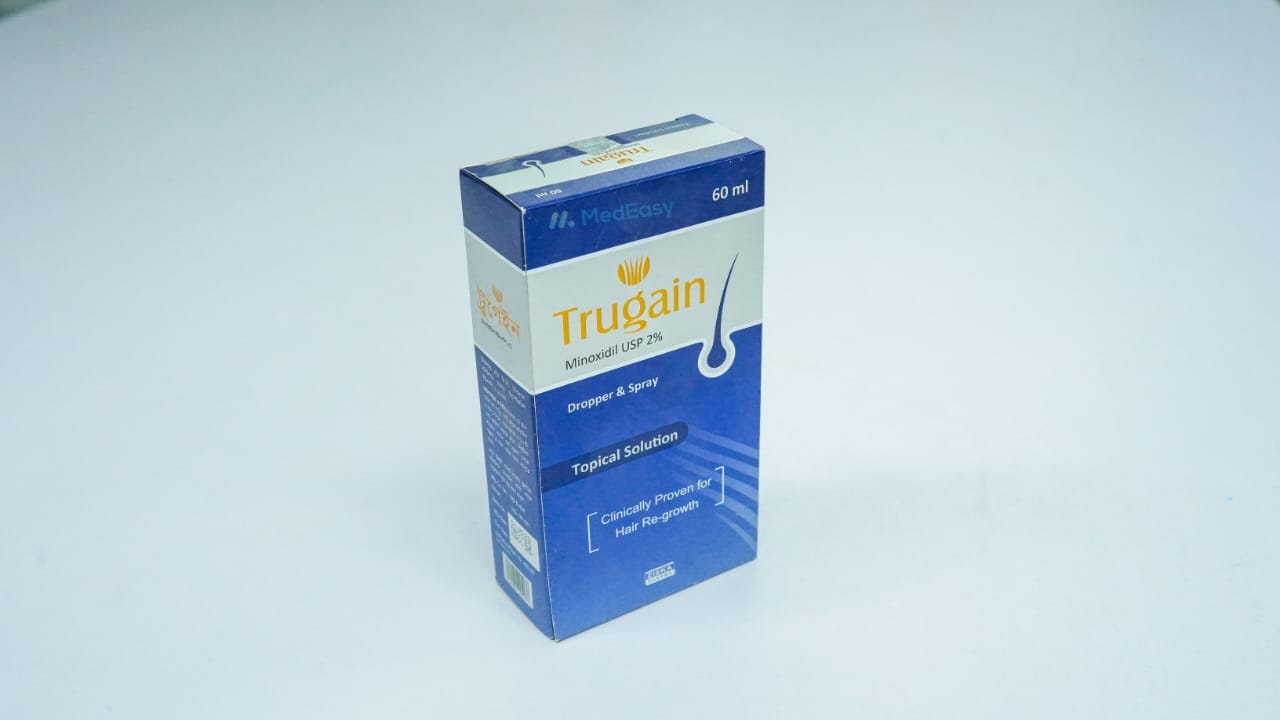
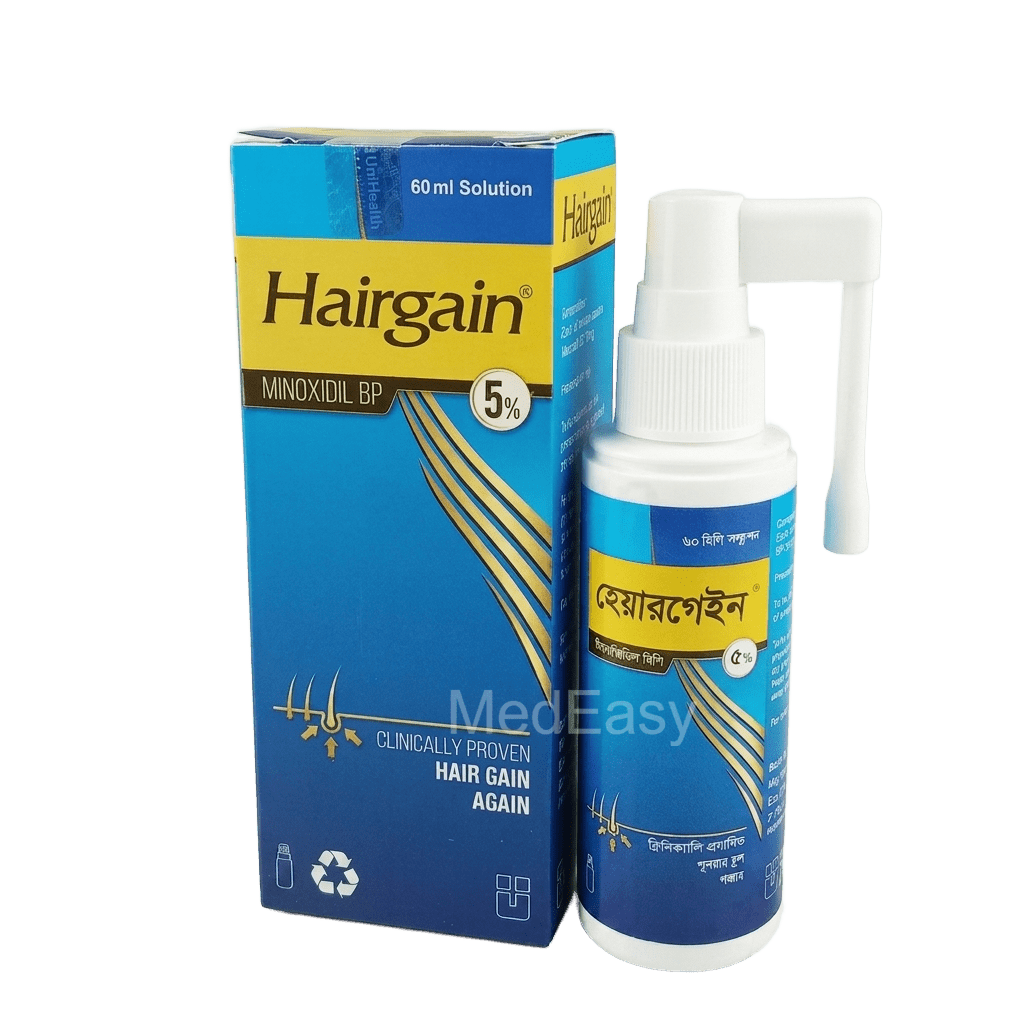
  • Treatment of androgenetic alopecia (male pattern hair loss and female pattern hair loss), applied to the vertex (crown) of the scalp, to stimulate regrowth of hair and/or slow further hair loss.

Topical Minoxidil is not indicated for other causes of hair loss (e.g. postpartum hair loss, alopecia areata, scarring alopecia, or hair loss of unclear cause) and should not be used for these without prior medical evaluation.

Dosage & Administration of Minoxidil

Oral Minoxidil — severe/resistant hypertension

PopulationDosing
AdultsInitial dose 5 mg once daily. May be increased to 10 mg, 20 mg, then 40 mg per day at intervals of at least 3 days, as needed for blood pressure control. Usual effective dose range is 10–40 mg/day, given as a single dose or in two divided doses. Maximum dose: 100 mg/day.
Children (< 12 years)Initial dose approximately 0.2 mg/kg once daily, increased gradually as needed under close specialist supervision. Maximum 50 mg/day.

Oral Minoxidil must always be given concurrently with a diuretic (to control fluid retention) and a beta-blocker or other sympatholytic agent (to control reflex tachycardia); see Precautions and Warnings.

Topical Minoxidil — androgenetic alopecia

ProductDosing
2% or 5% topical solutionApply 1 mL to the affected area of a dry scalp twice daily (morning and evening), regardless of the size of the area involved. Do not exceed 2 mL/day.
5% topical foamApply approximately half a capful to the affected area of a dry scalp twice daily. Do not exceed 1 capful/day.

Apply only to the scalp; wash hands thoroughly after application. Continued twice-daily use is required to maintain any benefit — hair loss typically resumes within a few months of stopping treatment.

Side Effects of Minoxidil

FormCommonSerious / less common
OralFluid and sodium retention, weight gain, edema, tachycardia, palpitations, hypertrichosis (excessive growth of body/facial hair), breast tendernessPericardial effusion, cardiac tamponade (rare but serious), angina/worsening ischemic heart disease, congestive heart failure
TopicalScalp itching, dryness, flaking, or irritation; contact dermatitis; initial temporary increase in hair shedding when starting treatmentUnwanted hair growth on the face or other skin areas if the product spreads beyond the scalp; rarely, chest pain, rapid heartbeat, dizziness, or swelling suggesting systemic absorption

Contraindications of Minoxidil

  • Known hypersensitivity to Minoxidil or any component of the formulation.
  • Oral Minoxidil: Contraindicated in patients with pheochromocytoma, as Minoxidil can stimulate catecholamine secretion from the tumor.
  • Topical Minoxidil: Not to be applied to an irritated, inflamed, infected, broken, or sunburned scalp.

Frequently Asked Questions about Minoxidil

What is Minoxidil used for?

Minoxidil has two very different uses depending on the form: an oral tablet form used for severe, treatment-resistant high blood pressure (always combined with a diuretic and a beta-blocker), and a topical solution/foam form applied to the scalp to treat male and female pattern hair loss (androgenetic alopecia).

How long does topical Minoxidil take to work for hair loss?

Most people need to use topical Minoxidil consistently, twice daily, for at least 4 months before noticing regrowth, and some need 6–12 months. Benefits are only maintained with continued use; hair loss usually resumes within a few months if treatment is stopped.

Can I use oral Minoxidil on its own for high blood pressure?

No. Oral Minoxidil must always be prescribed together with a diuretic (to prevent fluid retention) and a beta-blocker or similar drug (to prevent a fast reflex heartbeat). Using it alone increases the risk of fluid overload, heart strain, and rarely, fluid buildup around the heart (pericardial effusion).

Is it safe to use topical Minoxidil during pregnancy or breastfeeding?

Minoxidil (oral or topical) should be used in pregnancy only if clearly needed, after discussing the potential risks and benefits with a physician. As a precaution, breastfeeding women are generally advised to avoid Minoxidil unless a physician says otherwise, since it can pass into breast milk.

What side effects should prompt me to stop Minoxidil and seek medical help?

With oral Minoxidil, seek urgent medical attention for breathlessness, chest discomfort, rapid unexplained weight gain, or swelling, as these can signal fluid retention or fluid around the heart. With topical Minoxidil, stop and seek medical advice for chest pain, rapid heartbeat, dizziness, fainting, or persistent scalp irritation.

Can topical Minoxidil cause unwanted hair growth elsewhere on the body?

Yes. If topical Minoxidil spreads or drips onto the face or other skin areas, it can stimulate hair growth there too. Apply only to a dry scalp, wash your hands thoroughly afterward, and let the scalp dry fully before lying down or touching your face.

Disclaimer

The information provided is accurate to the best of our knowledge, but it does not replace professional medical advice. We cannot guarantee its completeness or accuracy, and the absence of specific information about a drug should not be taken as an endorsement. We are not responsible for any consequences arising from this information, so please consult a healthcare professional for any concerns or questions.

DoctorBlogArticles