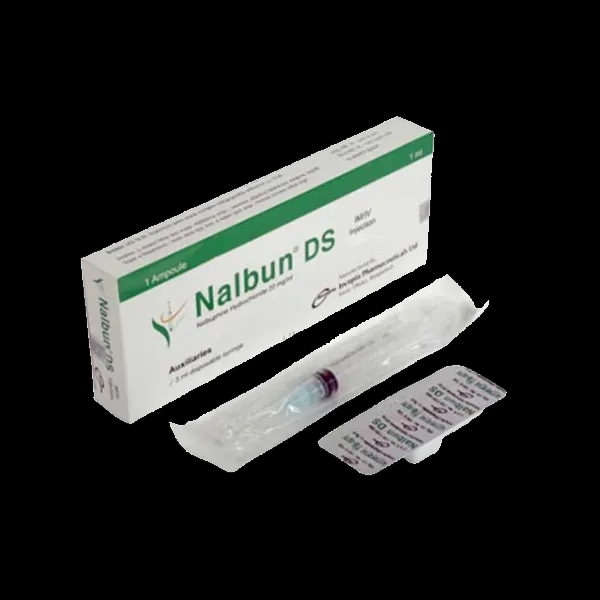
Generic medicine

Nalbuphine: Brands, Price & Uses in Bangladesh

Nalbuphine is an opioid analgesic indicated for the following uses: Established / FDA-approved uses Management of moderate to severe pain in patients for whom an opioid analgesic is appropriate and…

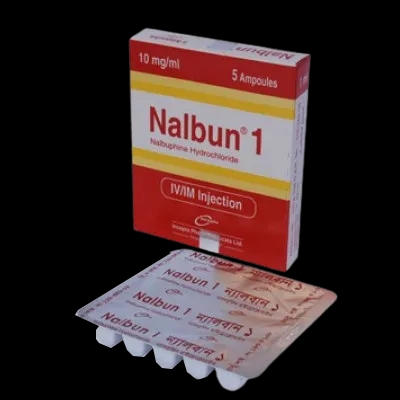
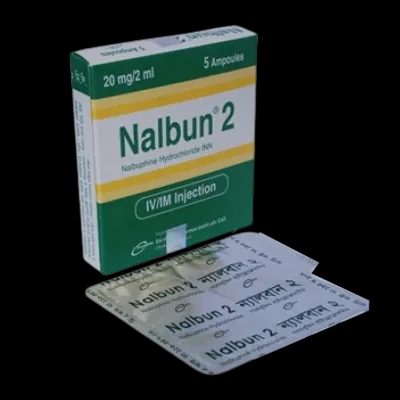
Forms:InjectionIM/IV Injection

About Nalbuphine

Indications of Nalbuphine

Nalbuphine is an opioid analgesic indicated for the following uses:

Established / FDA-approved uses

  • Management of moderate to severe pain in patients for whom an opioid analgesic is appropriate and alternative treatments are inadequate.
  • As a supplement to balanced general anesthesia during surgical procedures.
  • For preoperative and postoperative analgesia.
  • For obstetric analgesia during labor and delivery.

Off-label / adjunct uses (not FDA-approved indications)

  • Treatment of opioid-induced pruritus (itching), such as itching related to epidural or intrathecal morphine, based on clinical experience and limited trial data; this use should only be undertaken under medical supervision.

The specific use of Nalbuphine in an individual patient should always be determined by a qualified physician.

Dosage & Administration of Nalbuphine

Adult Dosage

IndicationRecommended Dose
Moderate to severe pain10 mg per 70 kg body weight, given subcutaneously, intramuscularly, or intravenously every 3-6 hours as needed. May be adjusted based on severity of pain, patient size, age, and physical status. Single doses above 20 mg and total daily doses above 160 mg are not routinely recommended.
Supplement to balanced anesthesiaInduction: 0.3-3 mg/kg intravenously over 10-15 minutes. Maintenance: incremental doses of 0.25-0.5 mg/kg as required.
Obstetric analgesia (labor)10 mg subcutaneously or intramuscularly; may be repeated at intervals as directed by the attending physician, with close fetal and maternal monitoring.

Pediatric Dosage

Safety and effectiveness of Nalbuphine in pediatric patients below 18 years of age have not been established through adequate controlled trials; use in children should only occur under specialist supervision with careful individualized dosing.

Renal/Hepatic Impairment

In patients with significant renal or hepatic impairment, Nalbuphine should be used with caution, starting at a lower dose with extended dosing intervals, because of reduced clearance and prolonged drug effect. See Precautions and Warnings for further monitoring guidance.

Side Effects of Nalbuphine

Common Side Effects

  • Sedation/drowsiness (most common)
  • Dizziness or vertigo
  • Nausea and vomiting
  • Dry mouth
  • Headache
  • Sweating, clammy skin, or flushing
  • Itching

Serious Side Effects

  • Respiratory depression (dose-related; Nalbuphine exhibits a ceiling effect on respiratory depression at higher doses compared with full opioid agonists, but clinically significant depression can still occur, especially with concurrent CNS depressants).
  • Severe hypotension and syncope
  • Anaphylaxis and other hypersensitivity reactions
  • Seizures (in susceptible patients)
  • Physical dependence and withdrawal symptoms with prolonged use, or precipitated withdrawal in opioid-dependent patients (see Precautions and Warnings)

Patients should seek urgent medical attention for difficulty breathing, extreme drowsiness, or fainting after receiving Nalbuphine.

Contraindications of Nalbuphine

Nalbuphine is contraindicated in patients with:

  • Known hypersensitivity to Nalbuphine or any component of the formulation (including sulfites in sulfite-containing products).
  • Significant respiratory depression, particularly in unmonitored settings or in the absence of resuscitative equipment.
  • Acute or severe bronchial asthma in an unmonitored setting or in the absence of resuscitative equipment.
  • Known or suspected gastrointestinal obstruction, including paralytic ileus.

Frequently Asked Questions about Nalbuphine

What is Nalbuphine used for?

Nalbuphine is an opioid analgesic used to relieve moderate to severe pain, as a supplement to balanced anesthesia during surgery, for pain relief before and after operations, and for pain relief during labor and delivery.

How is Nalbuphine given?

Nalbuphine is given by injection - subcutaneously, intramuscularly, or intravenously - by a healthcare professional. It is not available as an oral tablet or syrup. Never self-administer Nalbuphine; dosing and route are determined by your physician based on your condition.

Can Nalbuphine cause breathing problems?

Yes. Nalbuphine can cause dose-related respiratory depression, which can be serious or life-threatening, especially when combined with alcohol, benzodiazepines, or other sedating medicines. Seek immediate medical attention if you or someone who received Nalbuphine develops slow, shallow breathing, extreme drowsiness, or unresponsiveness.

Is Nalbuphine safe if I am already taking another opioid pain medicine?

Not necessarily. Because Nalbuphine has both opioid agonist and antagonist properties, giving it to someone who is physically dependent on a full opioid agonist (such as morphine or oxycodone) can trigger sudden withdrawal symptoms. Always tell your doctor about all opioid medicines you are taking before receiving Nalbuphine.

Can Nalbuphine be used during pregnancy or breastfeeding?

Nalbuphine should be used during pregnancy only if your doctor decides the benefit clearly outweighs the risk, since it can affect the fetus, especially when given close to delivery. It passes into breast milk in small amounts, so breastfeeding during treatment should only be done under your doctor's guidance.

What should I do if too much Nalbuphine is given?

An overdose of Nalbuphine is a medical emergency that can cause severe breathing difficulty, extreme drowsiness, or loss of consciousness. Seek emergency medical help immediately or contact a poison control center - do not try to manage an overdose at home.

Disclaimer

The information provided is accurate to the best of our knowledge, but it does not replace professional medical advice. We cannot guarantee its completeness or accuracy, and the absence of specific information about a drug should not be taken as an endorsement. We are not responsible for any consequences arising from this information, so please consult a healthcare professional for any concerns or questions.
DoctorBlogArticles