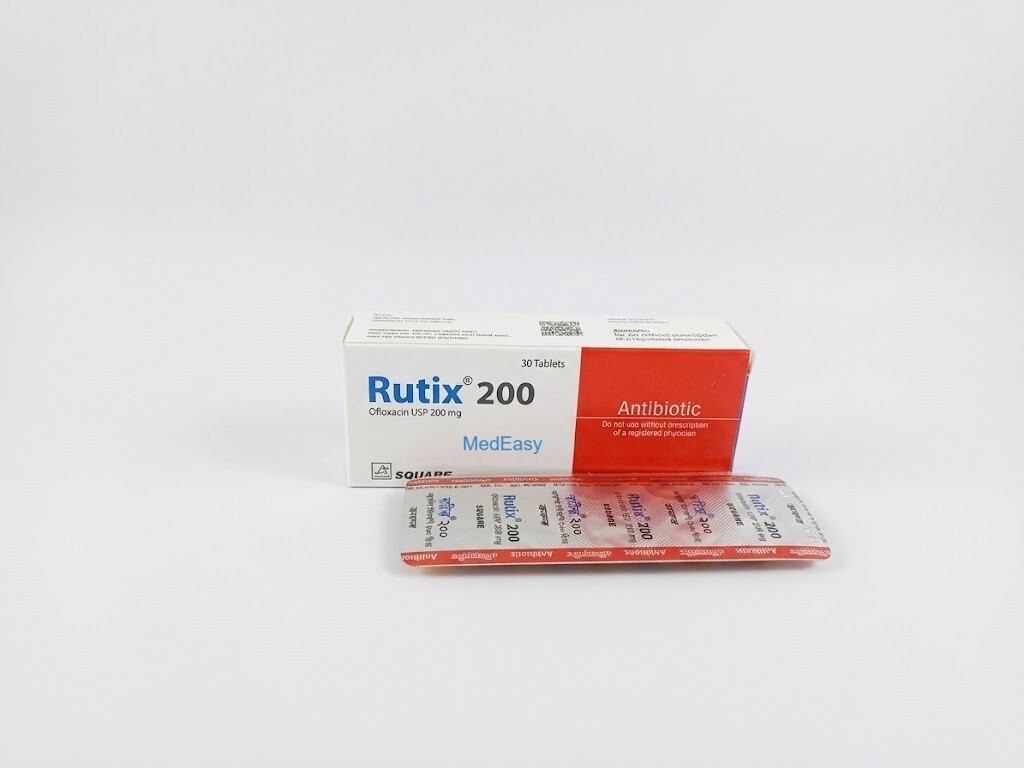
Generic medicine

Ofloxacin: Brands, Price & Uses in Bangladesh

Ofloxacin is a fluoroquinolone antibiotic used to treat infections caused by susceptible strains of bacteria.

Forms:TabletIV InfusionEye/Ear Drop

About Ofloxacin

Indications of Ofloxacin

Ofloxacin is a fluoroquinolone antibiotic used to treat infections caused by susceptible strains of bacteria. Because fluoroquinolones carry serious risks (see Precautions and Warnings), Ofloxacin is generally reserved for infections without a suitable alternative treatment option.

Established / FDA-approved uses

  • Acute bacterial exacerbation of chronic bronchitis
  • Community-acquired pneumonia (mild to moderate, due to susceptible organisms)
  • Uncomplicated and complicated urinary tract infections (UTI), including acute pyelonephritis
  • Uncomplicated skin and skin structure infections
  • Acute, uncomplicated urethritis and cervicitis due to Chlamydia trachomatis or Neisseria gonorrhoeae (where local susceptibility is confirmed)
  • Mixed infections of the urethra and cervix
  • Chronic bacterial prostatitis due to Escherichia coli
  • Ophthalmic solution: bacterial conjunctivitis and corneal ulcers caused by susceptible organisms
  • Otic solution: acute otitis externa, chronic suppurative otitis media with perforated tympanic membrane, and acute otitis media in children with tympanostomy tubes

Important note on gonorrhea

Due to widespread resistance, fluoroquinolones including Ofloxacin are no longer recommended by public health authorities (e.g. CDC) as first-line therapy for gonorrhea in most regions; use should be guided by local susceptibility testing and current treatment guidelines.

Dosage & Administration of Ofloxacin

Ofloxacin dosing depends on the site and severity of infection and must be individualized by a physician. Below is general guidance; always follow the prescribing physician's instructions.

IndicationTypical Adult DoseDuration
Acute bacterial exacerbation of chronic bronchitis / Community-acquired pneumonia400 mg orally every 12 hours10 days
Uncomplicated UTI200 mg orally every 12 hours3 days
Complicated UTI200 mg orally every 12 hours10 days
Acute pyelonephritis200 mg orally every 12 hours10 days
Uncomplicated skin/skin structure infection400 mg orally every 12 hours10 days
Uncomplicated cervicitis/urethritis (chlamydial or gonococcal, per susceptibility)300 mg orally every 12 hours7 days
Chronic bacterial prostatitis300 mg orally every 12 hours6 weeks

Ophthalmic use

Bacterial conjunctivitis: 1-2 drops in the affected eye(s) every 2-4 hours while awake for the first 2 days, then 4 times daily for up to 5 more days (dosing may vary by product).

Otic use

Acute otitis externa/otitis media: typically 5-10 drops in the affected ear once or twice daily for 7-14 days, as directed by the prescribing physician.

Renal impairment

Dose or dosing interval adjustment is required in patients with reduced kidney function (creatinine clearance below 50 mL/min); consult a physician for individualized adjustment.

Important stewardship note

Take Ofloxacin exactly as prescribed by your physician; do not stop, extend, skip doses, or share this medicine with others without medical advice. Complete the full course even if symptoms improve early, to reduce the risk of antibiotic resistance and treatment failure.

Side Effects of Ofloxacin

Side effects of Ofloxacin vary by route of administration.

Systemic (oral/IV) use — common

  • Nausea, vomiting, diarrhea, abdominal pain
  • Headache, dizziness, insomnia
  • Vaginitis

Systemic use — serious (require prompt medical attention)

  • Tendinitis and tendon rupture (see Precautions and Warnings)
  • Peripheral neuropathy, which may be irreversible
  • Central nervous system effects: seizures, increased intracranial pressure, confusion, hallucinations, psychiatric disturbances
  • QT interval prolongation and risk of serious cardiac arrhythmia
  • Hypersensitivity reactions, including severe skin reactions and anaphylaxis
  • Clostridioides difficile-associated diarrhea (can range from mild to life-threatening colitis)
  • Photosensitivity/phototoxic skin reactions
  • Hepatotoxicity (rare)
  • Disturbances in blood glucose

Ophthalmic/otic use

Local irritation, burning, itching, or discomfort at the site of application; bitter taste (with otic use) is possible. Systemic absorption and systemic side effects are much less likely with these routes compared to oral or intravenous use.

Contraindications of Ofloxacin

Ofloxacin is contraindicated in patients with:

  • Known hypersensitivity to Ofloxacin, any other quinolone/fluoroquinolone antibiotic, or any component of the formulation.
  • A history of tendon disorders (tendinitis or tendon rupture) associated with fluoroquinolone use (applies to systemic use).
  • Myasthenia gravis, due to the well-established risk of fluoroquinolones exacerbating muscle weakness and precipitating respiratory failure (applies to systemic use).

Frequently Asked Questions about Ofloxacin

What is Ofloxacin used for?

Ofloxacin is a fluoroquinolone antibiotic used to treat various bacterial infections, including urinary tract infections, respiratory tract infections, certain skin infections, and some sexually transmitted infections. Ophthalmic and otic forms of Ofloxacin are used for bacterial eye and ear infections respectively.

Can I stop taking Ofloxacin once I feel better?

No. You should complete the full course of Ofloxacin exactly as prescribed by your physician, even if your symptoms improve. Stopping early can lead to treatment failure and contributes to antibiotic resistance. Do not stop, extend, skip doses, or share Ofloxacin with others without medical advice.

What are the most serious risks of Ofloxacin?

Ofloxacin belongs to the fluoroquinolone class, which carries risks of tendinitis and tendon rupture (especially in the elderly or those on corticosteroids), peripheral neuropathy that may be irreversible, central nervous system effects including seizures, and QT prolongation affecting heart rhythm. Contact your doctor immediately if you experience tendon pain, numbness/tingling, or unusual heart symptoms while taking Ofloxacin.

Can pregnant or breastfeeding women take Ofloxacin?

Ofloxacin should be used during pregnancy only if clearly needed and the potential benefit outweighs the potential risk to the baby, and it passes into breast milk. Always consult your physician before using Ofloxacin if you are pregnant, planning pregnancy, or breastfeeding.

Can I take antacids with Ofloxacin?

Antacids, as well as products containing calcium, iron, zinc, or magnesium, significantly reduce the absorption of oral Ofloxacin. Take Ofloxacin at least 2 hours before or 6 hours after these products.

Is Ofloxacin safe for children?

Systemic (oral/IV) Ofloxacin is generally not recommended for children and adolescents under 18 years due to a risk of joint/cartilage effects observed in animal studies, unless a physician determines the benefit outweighs this risk. Certain otic (ear drop) formulations of Ofloxacin may be approved for use in specific pediatric age groups — follow your pediatrician's guidance.

Disclaimer

The information provided is accurate to the best of our knowledge, but it does not replace professional medical advice. We cannot guarantee its completeness or accuracy, and the absence of specific information about a drug should not be taken as an endorsement. We are not responsible for any consequences arising from this information, so please consult a healthcare professional for any concerns or questions.

DoctorBlogArticles