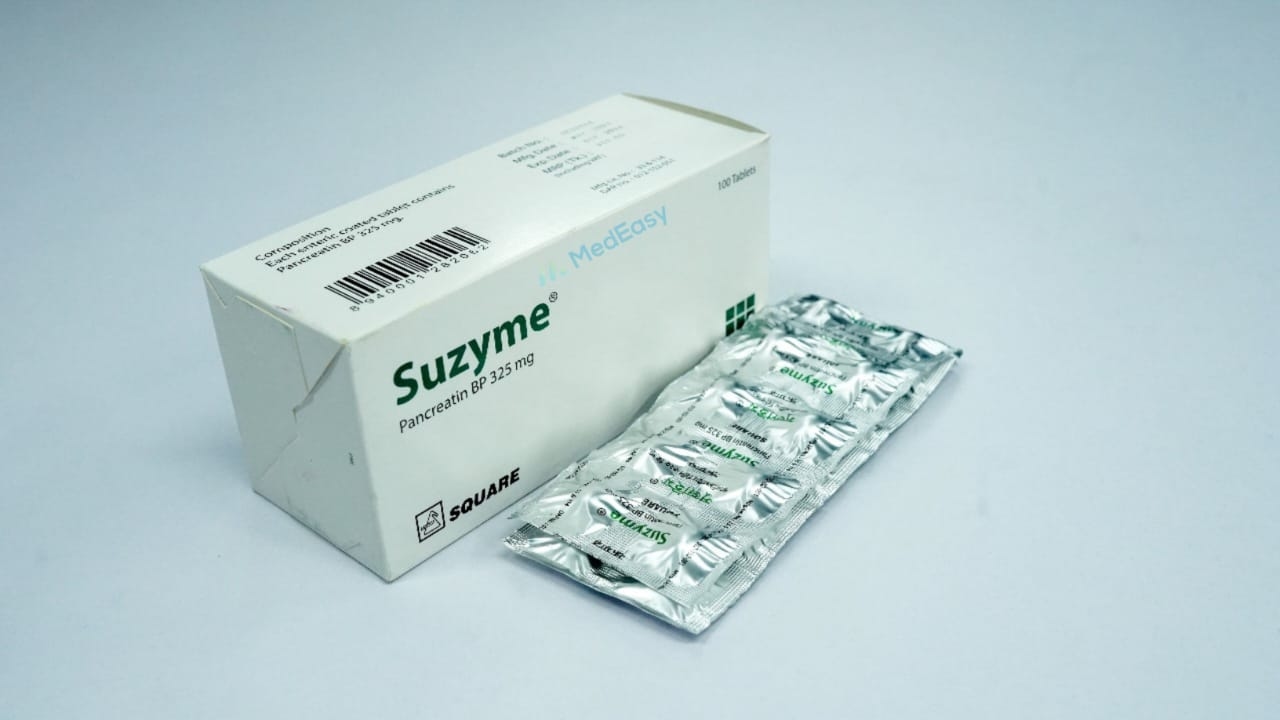
Generic medicine

Pancreatin: Brands, Price & Uses in Bangladesh

Established / Guideline-Supported Uses Exocrine pancreatic insufficiency (EPI) due to chronic pancreatitis — Pancreatin is used to replace deficient pancreatic enzymes and improve digestion of fats and more.

Forms:TabletCapsule

About Pancreatin

Indications of Pancreatin

Established / Guideline-Supported Uses

  • Exocrine pancreatic insufficiency (EPI) due to chronic pancreatitis — Pancreatin is used to replace deficient pancreatic enzymes and improve digestion of fats, proteins, and carbohydrates.
  • Cystic fibrosis with pancreatic insufficiency — Pancreatin is a standard component of nutritional management.
  • Pancreatic insufficiency following pancreatic surgery (e.g., partial or total pancreatectomy) or total gastrectomy.
  • Steatorrhea (fatty, malabsorptive stools) resulting from pancreatic enzyme deficiency.

Other/Adjunct Uses (Supportive Evidence)

  • Malabsorption associated with conditions such as celiac disease or somatostatinoma, generally as an adjunct to primary treatment of the underlying condition.
  • Functional dyspepsia or non-specific digestive discomfort — used adjunctively in some regional practice, though evidence is weaker than for true pancreatic insufficiency.

Pancreatin does not treat the underlying cause of pancreatic insufficiency; it is a replacement therapy for the missing digestive enzymes.

Dosage & Administration of Pancreatin

General Principles

The dose of Pancreatin is individualized based on the severity of enzyme deficiency, dietary fat content, and clinical response (control of steatorrhea, weight gain, symptom relief). Dosing is usually expressed as lipase units per kilogram body weight per meal for pancreatic enzyme products in general, though many conventional Pancreatin tablet formulations are dosed by tablet/capsule number.

IndicationTypical Adult DosingTypical Pediatric Dosing
Exocrine pancreatic insufficiency (chronic pancreatitis, post-pancreatectomy, etc.)1–2 tablets/capsules with each main meal and 1 with snacks, or as directed by the physician; adjusted according to fat content of the meal and clinical responseDose individualized by a pediatrician, generally on a weight/lipase-unit basis for enzyme products; conventional Pancreatin tablets are used with caution and physician guidance in children
Steatorrhea / malabsorption (adjunct)As directed by the physician, titrated to control of fatty stoolsAs directed by the physician

Administration

  • Take Pancreatin with or immediately before/after meals and snacks — timing with food is essential for effectiveness.
  • Swallow tablets/capsules whole with a full glass of water or other liquid; do not crush or chew, as this may irritate the mouth/mucous membranes and reduce enzyme activity, unless the product is specifically designed to be opened and sprinkled on soft food.
  • Do not exceed the dose recommended by the physician.

Renal/Hepatic Impairment

No well-established specific dose adjustment is defined for renal or hepatic impairment; use with routine clinical monitoring in these patients.

Side Effects of Pancreatin

Side effects of Pancreatin are generally dose-related and mostly gastrointestinal:

  • Common: abdominal pain/discomfort, nausea, vomiting, diarrhea or loose stools, bloating.
  • Less common: oral or perianal irritation/soreness (especially if tablets/capsules are chewed or held in the mouth), hypersensitivity reactions such as skin rash, itching, sneezing, or watery eyes.
  • Rare but serious (mainly reported with very high doses, especially in children with cystic fibrosis): fibrosing colonopathy (colonic strictures) and hyperuricemia/hyperuricosuria — see Precautions and Warnings.

Contraindications of Pancreatin

Pancreatin is contraindicated in:

  • Patients with known hypersensitivity to pancreatic enzymes or porcine (pig-derived) proteins, since Pancreatin is typically sourced from porcine pancreas.
  • Acute pancreatitis, during the acute phase — Pancreatin is not an appropriate treatment during acute inflammation and should only be considered once the acute episode has resolved and, if indicated, recovering pancreatic function requires replacement.

Note for patients: because Pancreatin is generally derived from porcine sources, patients who avoid porcine-derived products for religious or personal dietary reasons should discuss available alternatives with their physician or pharmacist.

Frequently Asked Questions about Pancreatin

What is Pancreatin used for?

Pancreatin is a pancreatic enzyme replacement used to help digest fats, proteins, and carbohydrates in people whose pancreas does not produce enough digestive enzymes, such as those with chronic pancreatitis, cystic fibrosis, or after pancreatic surgery.

How should I take Pancreatin?

Take Pancreatin with or immediately before/after meals and snacks, swallowing the tablet or capsule whole with a full glass of water. Do not crush or chew it, as this can reduce its effectiveness and irritate the mouth, unless your product is specifically designed to be opened and sprinkled on food.

Can I take Pancreatin if I am pregnant or breastfeeding?

Pancreatin should be used during pregnancy only if clearly needed, with the potential benefit outweighing any potential risk; consult your physician first. During breastfeeding it is generally considered acceptable because of its local action in the gut, but you should still check with your doctor, especially for higher doses.

What are the common side effects of Pancreatin?

The most common side effects of Pancreatin are gastrointestinal, including abdominal pain, nausea, vomiting, diarrhea, and bloating. These are usually dose-related. Rarely, high doses over prolonged periods (especially in children with cystic fibrosis) have been linked to a serious bowel condition called fibrosing colonopathy and to elevated uric acid levels, so never exceed the prescribed dose.

Who should not take Pancreatin?

Pancreatin should not be used by anyone with a known hypersensitivity/allergy to pancreatic enzymes or porcine (pig-derived) proteins, since it is usually made from pig pancreas, and should not be used to treat acute pancreatitis during its acute phase.

What should I do if I take too much Pancreatin?

If you suspect you or someone else has taken too much Pancreatin, seek immediate medical attention or contact a poison control center/emergency services right away. Do not try to treat an overdose at home.

Disclaimer

The information provided is accurate to the best of our knowledge, but it does not replace professional medical advice. We cannot guarantee its completeness or accuracy, and the absence of specific information about a drug should not be taken as an endorsement. We are not responsible for any consequences arising from this information, so please consult a healthcare professional for any concerns or questions.

DoctorBlogArticles