Generic medicine

Pheniramine Maleate: Brands, Price & Uses in Bangladesh

Pheniramine Maleate is a first-generation (sedating) antihistamine used for the symptomatic relief of a variety of allergic conditions.

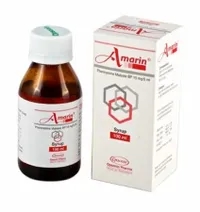
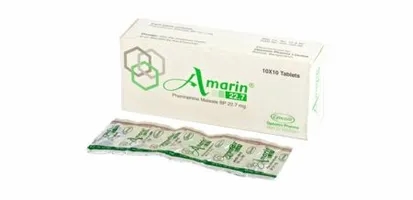
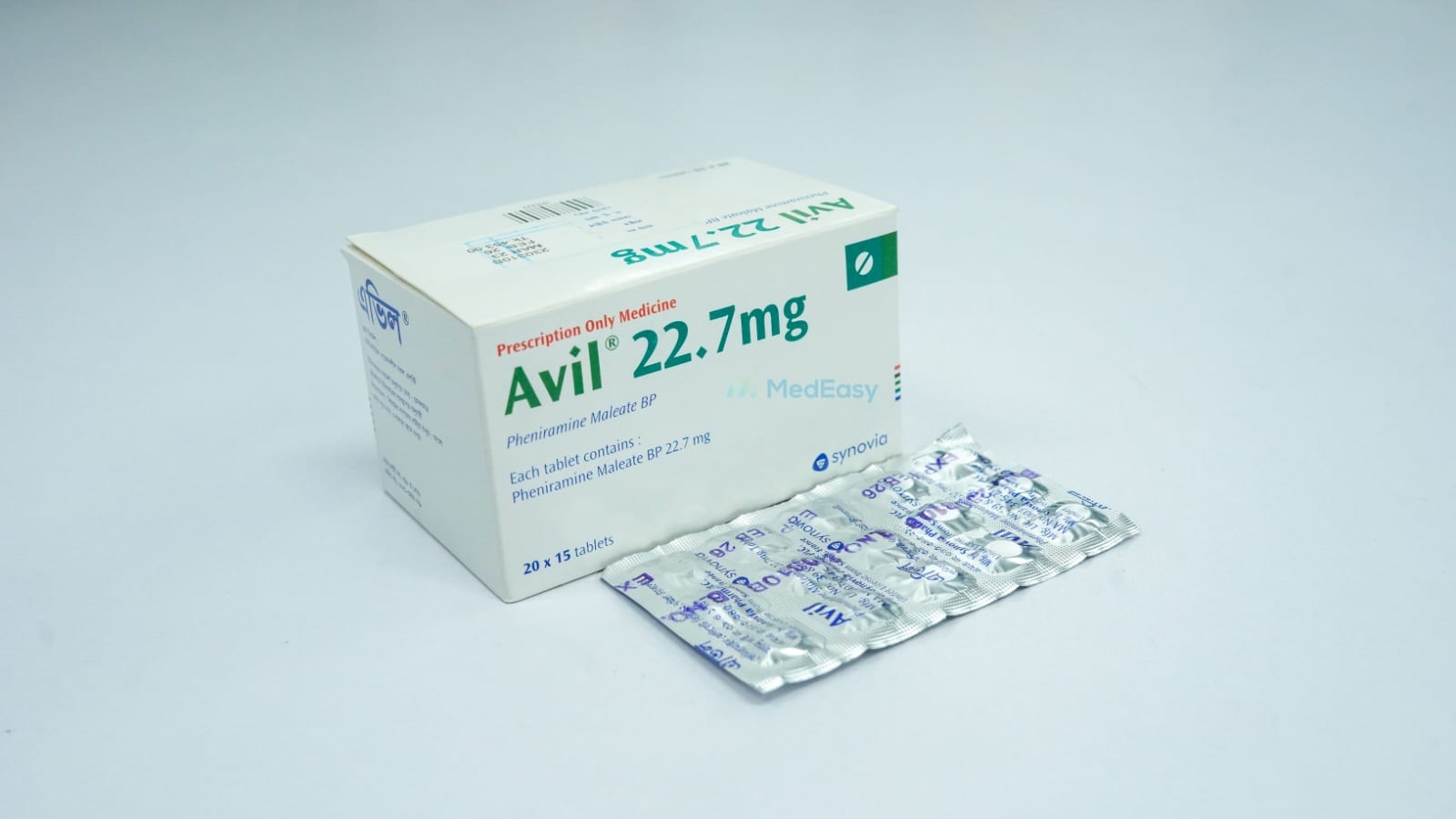
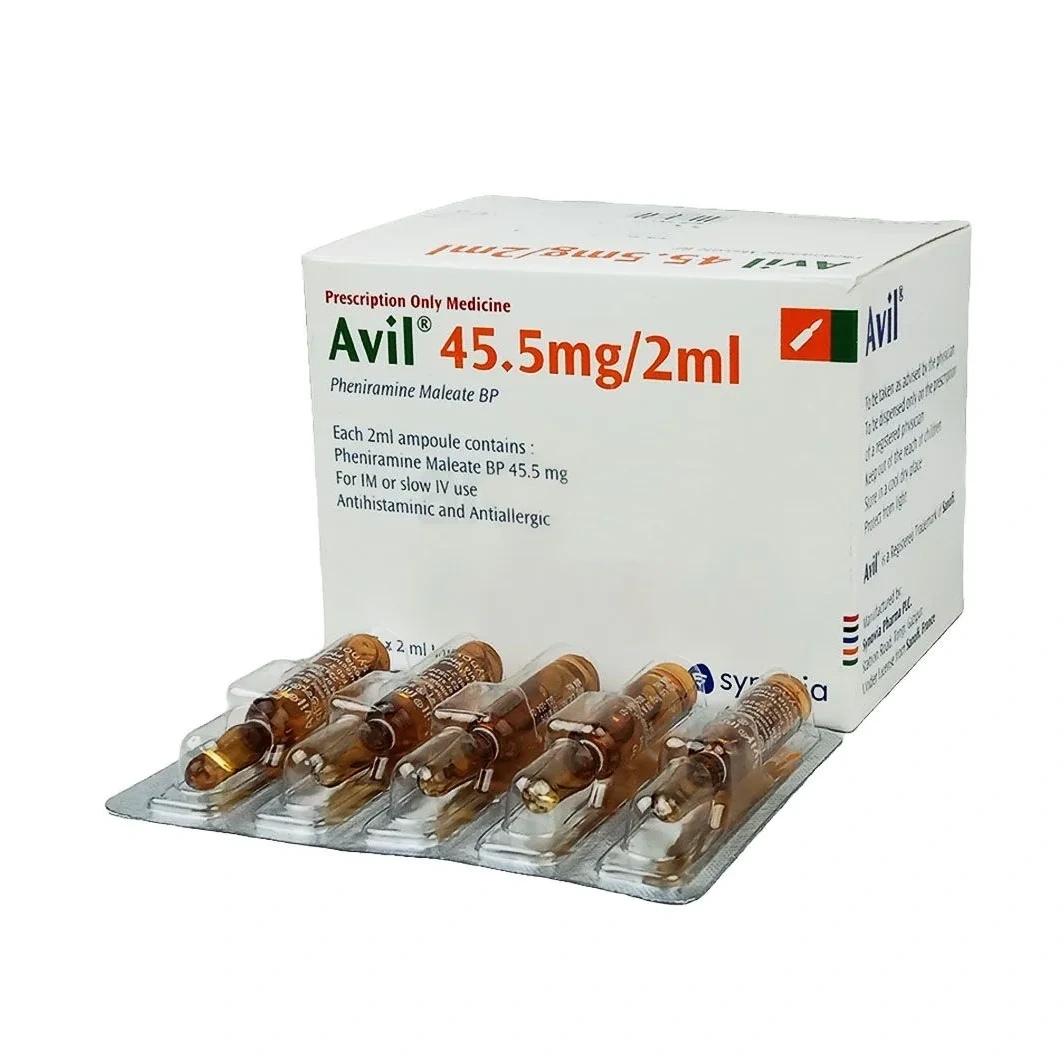
Forms:TabletInjectionSyrup

About Pheniramine Maleate

Indications of Pheniramine Maleate

Pheniramine Maleate is a first-generation (sedating) antihistamine used for the symptomatic relief of a variety of allergic conditions. Established/labeled uses include:

  • Allergic rhinitis (seasonal and perennial) - relief of sneezing, rhinorrhea, and nasal/eye itching
  • Urticaria (hives) and pruritus (itching) of allergic origin, including insect bite reactions
  • Allergic conjunctivitis - relief of itching and redness of the eyes due to allergy (commonly used topically in combination with a decongestant such as naphazoline in eye drops)

Pheniramine Maleate is also used as an adjunct/symptomatic component in various multi-ingredient cold, flu, and allergy combination products (together with decongestants, analgesics, or antitussives) to relieve associated sneezing, runny nose, and watery eyes.

Adjunctive use

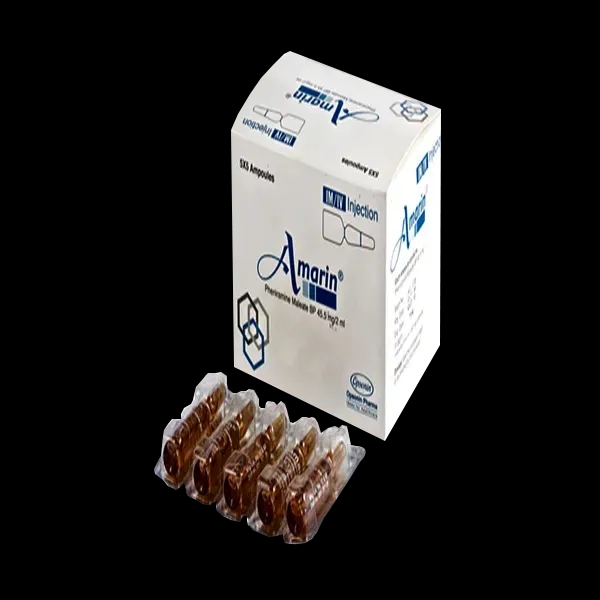
Injectable Pheniramine Maleate is sometimes used, under medical supervision, as an adjunct in the management of acute allergic reactions, in addition to first-line treatments such as epinephrine; it is not a substitute for epinephrine in anaphylaxis.

Dosage & Administration of Pheniramine Maleate

Adults

IndicationRouteTypical Adult Dose
Allergic rhinitis, urticaria, pruritusOral25 mg (1 tablet) of Pheniramine Maleate two to three times daily, or as directed by a physician
Acute allergic reaction (adjunct)Intramuscular/slow IVUsually one ampoule (22.75 mg/mL, 2 mL) of Pheniramine Maleate as a single dose, repeated only as directed by a physician
Allergic conjunctivitisOphthalmic (combination drops)1-2 drops of a Pheniramine Maleate combination product in the affected eye(s) up to 4 times daily, or as directed

Children

Pediatric oral dosing of Pheniramine Maleate is weight/age-based and should be determined by a physician; consult product labeling for age-specific liquid/syrup dosing. Pheniramine Maleate is contraindicated in newborn and premature infants (see Contraindications).

Renal/Hepatic Impairment

No well-established formal dose-adjustment guidelines exist for renal or hepatic impairment; such patients should use Pheniramine Maleate cautiously and under medical supervision, since reduced clearance may increase sedative and anticholinergic effects.

Elderly

Start at the lower end of the dosing range when using Pheniramine Maleate in elderly patients due to increased sensitivity to anticholinergic and sedative effects (see Use in Special Populations).

Side Effects of Pheniramine Maleate

The most common side effect of Pheniramine Maleate is sedation/drowsiness, which is prominent with this first-generation antihistamine. Other side effects may include:

  • Dry mouth, dry nose and throat
  • Blurred vision
  • Urinary retention/hesitancy
  • Constipation
  • Dizziness, headache, mild hypotension
  • Thickened bronchial secretions

In children, Pheniramine Maleate may occasionally cause paradoxical excitation (restlessness, irritability, insomnia) rather than sedation.

Seek prompt medical attention for signs of a serious allergic reaction (rash, swelling of the face/lips/tongue, difficulty breathing) after taking Pheniramine Maleate.

Contraindications of Pheniramine Maleate

Pheniramine Maleate is contraindicated in:

  • Patients with known hypersensitivity to Pheniramine Maleate or other antihistamines of similar chemical structure
  • Patients taking monoamine oxidase inhibitors (MAOIs), or within 14 days of stopping an MAOI
  • Newborn and premature infants
  • Patients with narrow-angle glaucoma
  • Patients with symptomatic prostatic hypertrophy or bladder-neck obstruction

Frequently Asked Questions about Pheniramine Maleate

What is Pheniramine Maleate used for?

Pheniramine Maleate is an antihistamine used to relieve allergic symptoms such as sneezing, runny nose, itchy/watery eyes, hives (urticaria), and itching (pruritus). It is also used in combination eye drops for allergic conjunctivitis and in some cold/allergy combination products.

Does Pheniramine Maleate cause drowsiness?

Yes. Pheniramine Maleate is a first-generation antihistamine and commonly causes sedation and drowsiness. Avoid driving or operating machinery until you know how it affects you, and avoid alcohol or other sedating medicines while taking it.

Can I take Pheniramine Maleate during pregnancy or while breastfeeding?

Pheniramine Maleate should be used during pregnancy only if clearly needed, when the potential benefit justifies the potential risk to the fetus, and only under a physician's advice. Its passage into breast milk is not well established, so it should also be used during breastfeeding only under medical supervision, weighing benefits against possible sedation or irritability in the infant.

Who should not take Pheniramine Maleate?

Pheniramine Maleate should not be used by people with known hypersensitivity to it or related antihistamines, those taking monoamine oxidase inhibitors (MAOIs) or within 14 days of stopping one, newborns and premature infants, and people with narrow-angle glaucoma or symptomatic prostatic hypertrophy/bladder-neck obstruction.

What should I do if I miss a dose or take too much Pheniramine Maleate?

If you miss a dose, take it as soon as you remember unless it is almost time for your next dose - do not double up. If you suspect an overdose of Pheniramine Maleate, which can cause severe drowsiness, agitation (especially in children), or other serious effects, seek immediate medical attention or contact a poison control center right away.

Can Pheniramine Maleate be given to children?

Pheniramine Maleate is contraindicated in newborns and premature infants. In older children, it should only be used under a physician's guidance with age/weight-appropriate dosing, as children may experience paradoxical excitation (restlessness, irritability) instead of sedation.

Disclaimer

The information provided is accurate to the best of our knowledge, but it does not replace professional medical advice. We cannot guarantee its completeness or accuracy, and the absence of specific information about a drug should not be taken as an endorsement. We are not responsible for any consequences arising from this information, so please consult a healthcare professional for any concerns or questions.
DoctorBlogArticles