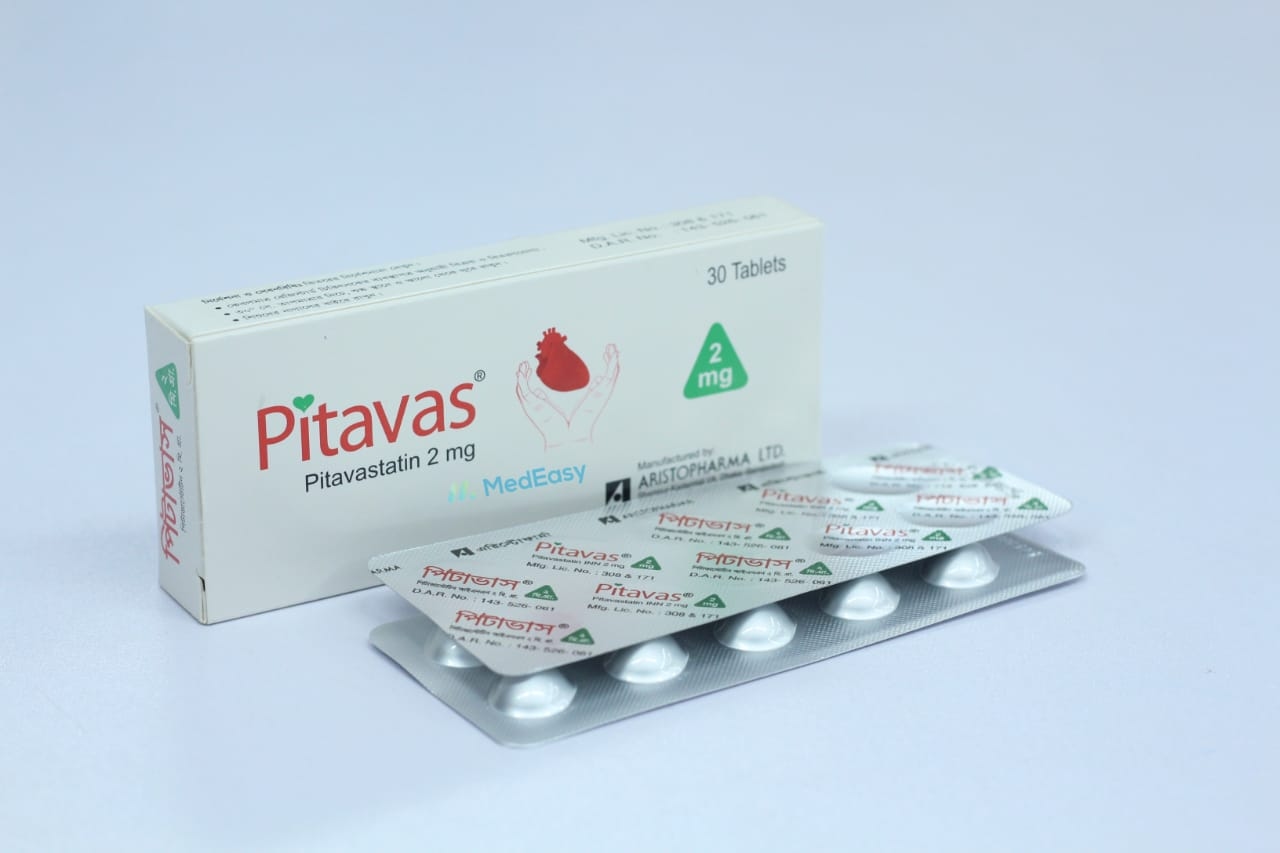
Generic medicine

Pitavastatin Calcium: Brands, Price & Uses in Bangladesh

Pitavastatin Calcium is indicated as an adjunct to diet for the following: Primary hyperlipidemia and mixed dyslipidemia (established/approved use): to reduce elevated total cholesterol and more.

Forms:Tablet

About Pitavastatin Calcium

Indications of Pitavastatin Calcium

Pitavastatin Calcium is indicated as an adjunct to diet for the following:

  • Primary hyperlipidemia and mixed dyslipidemia (established/approved use): to reduce elevated total cholesterol, LDL cholesterol, apolipoprotein B, triglycerides, and to increase HDL cholesterol in adult patients.
  • Heterozygous familial hypercholesterolemia (HeFH) in pediatric patients aged 8 years and older (approved use): to reduce LDL cholesterol, as an adjunct to diet, in children whose LDL-C remains elevated despite dietary measures.
  • Primary prevention of cardiovascular events (guideline-supported use): Pitavastatin Calcium and other statins are used in patients at elevated cardiovascular risk (e.g. diabetes, elevated LDL-C, additional risk factors) to reduce the risk of myocardial infarction, stroke, and revascularization procedures, based on the well-established class effect of statins rather than a dedicated outcomes trial for this specific agent.
  • Secondary prevention in established atherosclerotic cardiovascular disease (guideline-supported use): used as part of comprehensive risk-factor management following myocardial infarction, stroke, or peripheral arterial disease.

Pitavastatin Calcium is not intended for patients requiring high-intensity LDL-lowering (e.g. very high baseline LDL-C or very high cardiovascular risk); such patients should generally receive an alternative high-intensity statin.

Dosage & Administration of Pitavastatin Calcium

Indication / SituationDosing
Primary hyperlipidemia / mixed dyslipidemia (adults)Initial dose 1 mg to 2 mg orally once daily; usual maintenance range 1 mg to 4 mg once daily; maximum 4 mg once daily. Reassess LDL-C after approximately 4 weeks and adjust dose accordingly.
Heterozygous familial hypercholesterolemia, ages 8-17 yearsStarting dose 1 mg once daily (or 2 mg once daily depending on age/weight per prescriber judgment), titrated at intervals of at least 4 weeks up to a maximum of 4 mg once daily, based on response and tolerability.
Moderate to severe renal impairment / hemodialysisStarting dose 1 mg once daily; maximum dose 2 mg once daily.
Hepatic impairmentNot recommended in active liver disease, acute liver failure, or decompensated cirrhosis (see Contraindications). No dose adjustment is established for mild hepatic impairment; use with caution and monitor liver function.
Concurrent erythromycinLimit Pitavastatin Calcium dose to 1 mg once daily.
Concurrent rifampinLimit Pitavastatin Calcium dose to 2 mg once daily.

Pitavastatin Calcium may be taken at any time of day, with or without food, but should be taken at approximately the same time each day for consistency.

Side Effects of Pitavastatin Calcium

Most patients tolerate Pitavastatin Calcium well. Reported adverse effects include:

  • Common: myalgia (muscle pain), back pain, diarrhea, constipation, and pain in extremities.
  • Less common: headache, nausea, arthralgia, mild elevations in liver enzymes, and insomnia.
  • Serious (uncommon but important): myopathy and rhabdomyolysis, presenting as unexplained muscle pain, tenderness, or weakness, particularly if accompanied by fever, malaise, or dark urine; immune-mediated necrotizing myopathy (persistent muscle weakness with elevated creatine kinase even after discontinuation); clinically significant hepatotoxicity; and a small increased risk of new-onset diabetes mellitus/hyperglycemia, particularly in patients with pre-existing risk factors.

Patients should seek prompt medical attention for unexplained muscle pain, weakness, dark urine, jaundice, or signs of an allergic reaction while taking Pitavastatin Calcium.

Contraindications of Pitavastatin Calcium

Pitavastatin Calcium is contraindicated in the following situations:

  • Known hypersensitivity to Pitavastatin Calcium or any component of the formulation.
  • Active liver disease, including unexplained persistent elevations of hepatic transaminases, acute liver failure, or decompensated cirrhosis.
  • Concomitant use with cyclosporine, due to a marked increase in pitavastatin plasma levels and consequently increased risk of myopathy/rhabdomyolysis.
  • Pregnancy — Pitavastatin Calcium may cause fetal harm; it should be discontinued as soon as pregnancy is recognized (see Pregnancy and Lactation).
  • Breastfeeding, as it is not known whether Pitavastatin Calcium is excreted in human milk and a lactating infant could be exposed to a drug that reduces cholesterol synthesis needed for normal development.

Frequently Asked Questions about Pitavastatin Calcium

What is Pitavastatin Calcium used for?

Pitavastatin Calcium is a statin medicine used, along with diet, to lower high cholesterol (specifically LDL or "bad" cholesterol) and triglycerides, and to help reduce the risk of heart attack and stroke in people with high cardiovascular risk.

How should I take Pitavastatin Calcium?

Take Pitavastatin Calcium exactly as prescribed, usually once daily at any time of day, with or without food. Try to take it at the same time each day and continue taking it even if you feel well, since it is used for long-term risk reduction.

Can I take Pitavastatin Calcium during pregnancy or while breastfeeding?

No. Pitavastatin Calcium is contraindicated in pregnancy because it may harm the developing fetus, and it should be stopped immediately if you become pregnant. It is also contraindicated during breastfeeding. Women who could become pregnant should use effective contraception while taking Pitavastatin Calcium and discuss family planning with their physician.

What side effects should prompt me to contact my doctor immediately?

Contact your doctor right away if you experience unexplained muscle pain, tenderness, or weakness (especially with fever or dark urine), as this can signal a rare but serious muscle problem (myopathy/rhabdomyolysis). Also report signs of liver problems such as unusual tiredness, loss of appetite, yellowing of the skin or eyes, or dark urine.

Are there medicines I should avoid while taking Pitavastatin Calcium?

Yes. Pitavastatin Calcium must not be combined with cyclosporine, and caution or dose limits are needed with erythromycin, rifampin, and fibrates such as gemfibrozil, as these can raise Pitavastatin Calcium levels and increase the risk of muscle-related side effects. Always tell your doctor and pharmacist about all medicines and supplements you take.

What should I do if I miss a dose or take too much Pitavastatin Calcium?

If you miss a dose, take it as soon as you remember unless it is close to the time for your next dose, in which case skip the missed dose — do not double up. If you or someone else has taken too much Pitavastatin Calcium, seek immediate medical attention or contact a poison control center, since there is no specific antidote and treatment is supportive.

Disclaimer

The information provided is accurate to the best of our knowledge, but it does not replace professional medical advice. We cannot guarantee its completeness or accuracy, and the absence of specific information about a drug should not be taken as an endorsement. We are not responsible for any consequences arising from this information, so please consult a healthcare professional for any concerns or questions.

DoctorBlogArticles