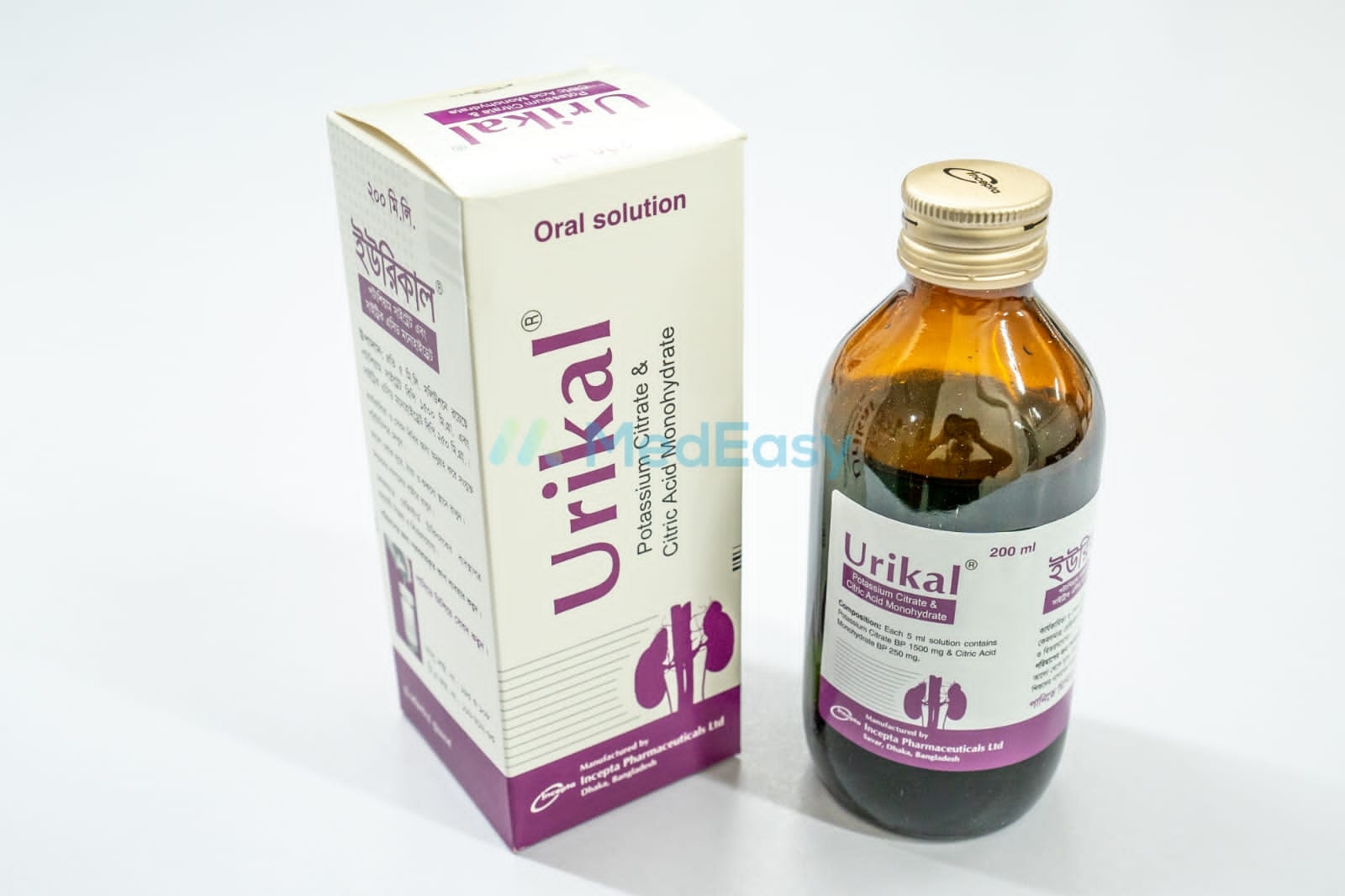
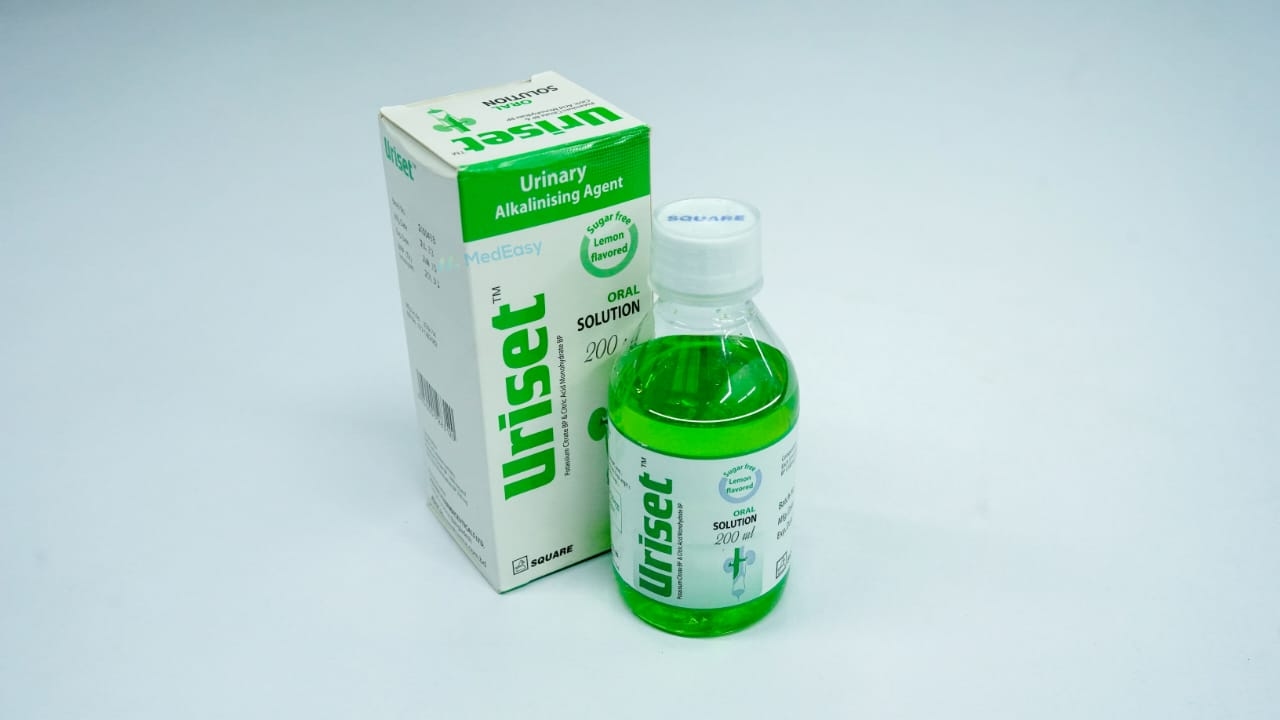
Generic medicine

Potassium Citrate + Citric Acid: Brands, Price & Uses in Bangladesh

Potassium Citrate + Citric Acid is a urinary alkalinizer used to raise urinary and, to a lesser extent, systemic pH.

Forms:Oral Solution

About Potassium Citrate + Citric Acid

Indications of Potassium Citrate + Citric Acid

Potassium Citrate + Citric Acid is a urinary alkalinizer used to raise urinary and, to a lesser extent, systemic pH. Its accepted uses fall into a few categories of evidence:

Established uses

  • Prevention of uric acid and cystine kidney stones — Potassium Citrate + Citric Acid maintains an alkaline urinary pH, which reduces the formation of uric acid and cystine calculi, particularly in patients for whom sodium-containing alkalinizers are unsuitable.
  • Management of renal tubular acidosis (RTA) — Potassium Citrate + Citric Acid corrects the chronic metabolic acidosis and low urinary citrate that occur in distal and proximal RTA.
  • Prevention of recurrent calcium stones associated with hypocitraturia — by increasing urinary citrate excretion, Potassium Citrate + Citric Acid inhibits calcium oxalate and calcium phosphate crystallization.

Adjunct / combination-therapy use

  • Supportive therapy with uricosuric agents (e.g., probenecid) in gout — Potassium Citrate + Citric Acid alkalinizes urine to reduce uric acid crystallization while uricosuric drugs promote uric acid excretion.

Common local (adjunctive, symptomatic) use

  • In Bangladesh, Potassium Citrate + Citric Acid is also commonly prescribed as an adjunct for symptomatic relief of the burning/discomfort associated with uncomplicated urinary tract infection (UTI). It does not treat the underlying infection and must not replace a prescribed antibiotic when one is indicated.

Dosage & Administration of Potassium Citrate + Citric Acid

Potassium Citrate + Citric Acid is normally taken by mouth after diluting the measured dose in a glass (or half-glass, for children) of water, and is best taken after meals and at bedtime to minimize gastrointestinal irritation and unpleasant taste.

IndicationAdult dosePediatric dose
Symptomatic relief of uncomplicated UTI discomfort10 mL three times daily, diluted in a glass of waterAge 1–6 years: 5 mL three times daily, diluted in half a glass of water. Age 6 years and above: as adult dose.
Uric acid/cystine stone prevention, renal tubular acidosis, adjunct in gout, calcium-stone prevention with hypocitraturia10–15 mL (roughly 2–3 teaspoonfuls) four times daily, diluted in water, after meals and at bedtime5–10 mL four times daily, diluted in water, after meals and at bedtime

The dose of Potassium Citrate + Citric Acid may be adjusted by the physician to maintain a urinary pH in the target range (commonly about 6.0–7.0), guided by periodic urine pH and serum potassium testing. See Contraindications and Precautions and Warnings for renal-impairment and monitoring guidance.

Side Effects of Potassium Citrate + Citric Acid

At recommended, properly diluted doses Potassium Citrate + Citric Acid is generally well tolerated. Reported side effects include:

  • Common: nausea, vomiting, diarrhea or loose stools, abdominal discomfort/pain, and an unpleasant/salty taste, particularly if taken undiluted or on an empty stomach.
  • Less common: gastrointestinal ulceration or bleeding, most reported with wax-matrix tablet formulations that lodge in the GI tract rather than with properly diluted solution — see Precautions and Warnings.
  • Serious (usually with overdose or in at-risk patients): hyperkalemia, presenting as muscle weakness, tingling of the extremities, mental confusion, and cardiac rhythm disturbances — see Overdose.

Contraindications of Potassium Citrate + Citric Acid

Potassium Citrate + Citric Acid is contraindicated in:

  • Known hypersensitivity to potassium citrate, citric acid, or any excipient of the product.
  • Severe renal impairment with oliguria, anuria, or azotemia (the kidneys cannot adequately excrete potassium, risking dangerous hyperkalemia).
  • Pre-existing hyperkalemia.
  • Untreated Addison's disease (adrenal insufficiency impairs potassium excretion).
  • Acute dehydration.
  • Severe myocardial damage or conditions in which cardiac conduction is significantly impaired, given the arrhythmia risk of hyperkalemia.

Frequently Asked Questions about Potassium Citrate + Citric Acid

What is Potassium Citrate + Citric Acid used for?

Potassium Citrate + Citric Acid is a urinary alkalinizer used mainly to help prevent uric acid and cystine kidney stones, to correct the acidosis of renal tubular acidosis, as an adjunct with uricosuric drugs in gout, and — in Bangladesh — commonly for symptomatic relief of uncomplicated urinary tract infection discomfort alongside prescribed antibiotics.

How should I take Potassium Citrate + Citric Acid?

Always dilute the measured dose of Potassium Citrate + Citric Acid in a glass (or half-glass for a child) of water and take it after meals and at bedtime. Do not take it undiluted, and avoid lying down immediately after a dose.

Who should not take Potassium Citrate + Citric Acid?

Potassium Citrate + Citric Acid should not be used by anyone with a known allergy to potassium citrate or citric acid, severe kidney impairment with reduced urine output, existing high blood potassium (hyperkalemia), untreated Addison's disease, acute dehydration, or severe heart muscle damage, because the kidneys or body cannot safely clear the extra potassium in these situations.

Can Potassium Citrate + Citric Acid be taken during pregnancy or while breastfeeding?

Potassium Citrate + Citric Acid has not been formally studied in human pregnancy and should be used in pregnancy only if clearly needed, under a physician's guidance. Use while breastfeeding should also only be on medical advice, with the infant watched for any unusual symptoms; consult your doctor before use in either situation.

What are the warning signs of taking too much Potassium Citrate + Citric Acid?

Overdose of Potassium Citrate + Citric Acid can raise blood potassium to dangerous levels, causing muscle weakness, tingling in the hands or feet, confusion, and an irregular heartbeat. If you suspect an overdose, stop the medicine and seek emergency medical care immediately.

Can I take Potassium Citrate + Citric Acid with other medicines?

Tell your doctor about all medicines you take, especially potassium-sparing diuretics (like spironolactone), ACE inhibitors or ARBs, other potassium supplements, digoxin, and aluminum-containing antacids, since combining these with Potassium Citrate + Citric Acid can increase the risk of high blood potassium or other complications.

Disclaimer

The information provided is accurate to the best of our knowledge, but it does not replace professional medical advice. We cannot guarantee its completeness or accuracy, and the absence of specific information about a drug should not be taken as an endorsement. We are not responsible for any consequences arising from this information, so please consult a healthcare professional for any concerns or questions.


DoctorBlogArticles