Generic medicine

Rifampicin + Isoniazid + Pyrazinamide + Ethambutol: Brands, Price & Uses in Bangladesh

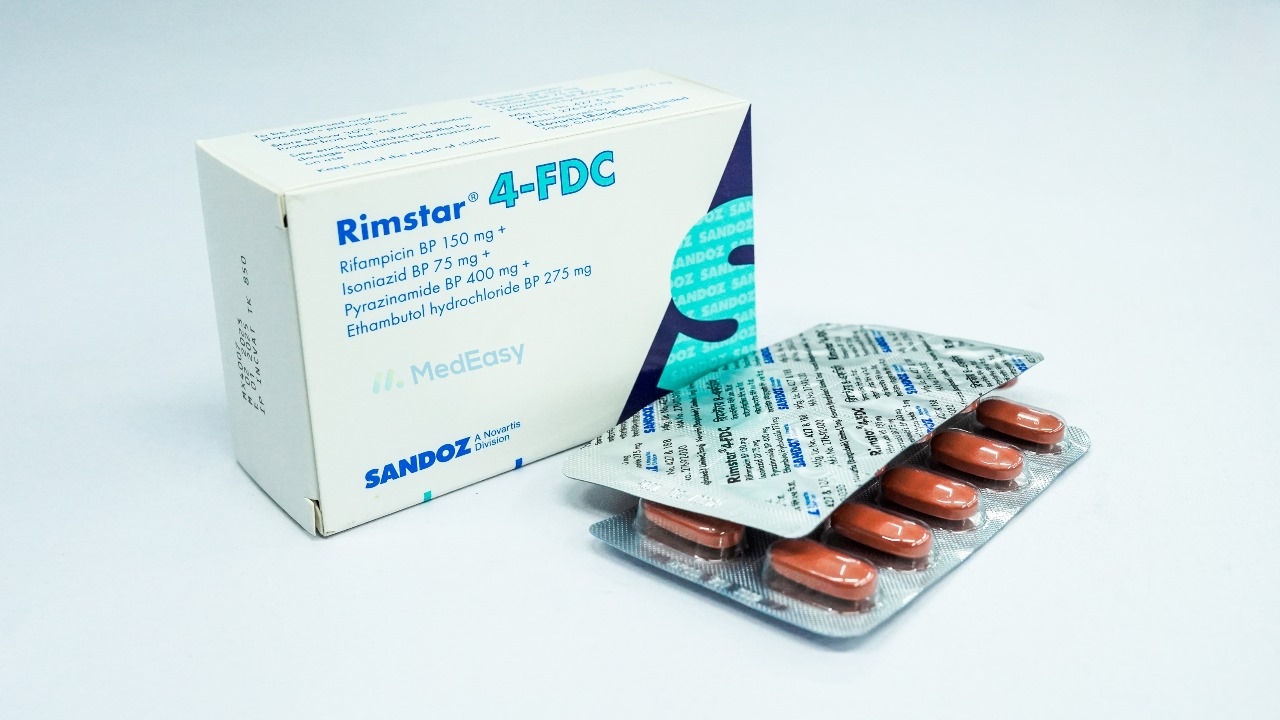
Rifampicin + Isoniazid + Pyrazinamide + Ethambutol is a fixed-dose combination (FDC) of four first-line antituberculardrugs used together for the treatment of tuberculosis (TB).

Forms:Tablet

About Rifampicin + Isoniazid + Pyrazinamide + Ethambutol

Indications of Rifampicin + Isoniazid + Pyrazinamide + Ethambutol

Rifampicin + Isoniazid + Pyrazinamide + Ethambutol is a fixed-dose combination (FDC) of four first-line antituberculardrugs used together for the treatment of tuberculosis (TB).

Established / Guideline-Supported Uses

  • Intensive-phase treatment of active pulmonary and extrapulmonary tuberculosis intreatment-naive (new) adult and pediatric patients, as the standard first-line four-drug regimenrecommended by the World Health Organization (WHO), typically given daily for 2 months, ideallyunder directly observed therapy (DOT) where available.
  • Used as part of a complete anti-TB treatment course, usually followed by a continuation phasewith a reduced-drug combination (e.g., rifampicin plus isoniazid) for a further 4 months, asdetermined by the treating physician based on national/WHO TB guidelines.

Not Indicated For

  • Latent TB infection prophylaxis (single-agent isoniazid preventive therapy is used instead).
  • Drug-resistant TB (multidrug-resistant/rifampicin-resistant TB) without modification of theregimen by a TB specialist, since Rifampicin + Isoniazid + Pyrazinamide + Ethambutol contains rifampicin and isoniazid to which resistancemay exist.

Rifampicin + Isoniazid + Pyrazinamide + Ethambutol must only be used under the supervision of a physician experienced in TB management.

Dosage & Administration of Rifampicin + Isoniazid + Pyrazinamide + Ethambutol

Dosing of Rifampicin + Isoniazid + Pyrazinamide + Ethambutol is based on body weight and must be individualized and supervised by aphysician familiar with national/WHO tuberculosis treatment guidelines. The figures below reflecttypical WHO-recommended weight-band dosing for the standard intensive-phase 4-drug regimen; theexact number of tablets depends on the specific tablet strength dispensed.

Adult Dosing (by body weight, WHO weight-band approach)

Body weightApproximate daily dose (as number of standard adult FDC tablets, Rifampicin 150 mg/Isoniazid 75 mg/Pyrazinamide 400 mg/Ethambutol 275 mg per tablet)
30–37 kg2 tablets
38–54 kg3 tablets
55–70 kg4 tablets
Over 70 kg5 tablets

Pediatric Dosing

Children are dosed using weight-band-specific pediatric fixed-dose combination formulations(with lower per-tablet strengths, per WHO pediatric dosing charts), under specialist supervision.See Pediatric Use.

Duration

Rifampicin + Isoniazid + Pyrazinamide + Ethambutol is typically given once daily for the 2-month intensive phase of a standard 6-monthtreatment course, followed by a continuation phase with fewer drugs, as prescribed. See Durationof Treatment.

How to Take

  • Take the full dose at one time, once daily, preferably on an empty stomach (at least 1 hourbefore or 2 hours after food) with a full glass of water, as food can reduce absorption ofrifampicin.
  • Ideally taken under directly observed therapy (DOT) as recommended by national TB programs.

Complete the full prescribed course of Rifampicin + Isoniazid + Pyrazinamide + Ethambutol exactly as directed by your physician;do not stop, extend, skip doses, or share this medicine with others without medical advice, as anincomplete or interrupted course risks treatment failure and the development of drug-resistanttuberculosis.

Side Effects of Rifampicin + Isoniazid + Pyrazinamide + Ethambutol

Because Rifampicin + Isoniazid + Pyrazinamide + Ethambutol combines four active drugs, side effects may arise from any single component.Report any new or worsening symptom to your physician promptly.

Common

  • Loss of appetite, nausea, vomiting, abdominal discomfort
  • Orange-red discoloration of urine, sweat, tears, and saliva (harmless effectof rifampicin, but can permanently stain soft contact lenses)
  • Joint pain/arthralgia (related to pyrazinamide-induced hyperuricemia)
  • Headache, dizziness

Less Common but Clinically Important

  • Hepatotoxicity (raised liver enzymes, hepatitis, jaundice) — see Precautionsand Warnings for monitoring advice.
  • Peripheral neuropathy (numbness/tingling in hands and feet), related toisoniazid; often prevented with pyridoxine (vitamin B6) supplementation.
  • Visual disturbances (blurred vision, reduced visual acuity, color visionchanges/red-green color blindness, visual field defects) related to ethambutol — see Precautionsand Warnings.
  • Skin rash, itching, and other hypersensitivity reactions.
  • Flu-like syndrome (fever, chills, myalgia) — reported mainly with intermittent rifampicindosing schedules.

Rare but Serious

  • Severe hepatic failure, thrombocytopenia, hemolytic anemia, acute kidney injury,Stevens-Johnson syndrome/toxic epidermal necrolysis (all rare).

Contraindications of Rifampicin + Isoniazid + Pyrazinamide + Ethambutol

Rifampicin + Isoniazid + Pyrazinamide + Ethambutol is contraindicated in patients with:

  • Known hypersensitivity to rifampicin, isoniazid, pyrazinamide, ethambutol,other rifamycins, or any component of the formulation.
  • Severe hepatic impairment or active severe liver disease, due to thesignificant hepatotoxic potential of the combination.
  • Acute gout, because pyrazinamide markedly raises serum uric acid and canprecipitate or worsen an acute attack.

Pre-existing optic neuritis is a relative contraindication to the ethambutol component andrequires careful specialist assessment and baseline ophthalmologic evaluation before use; seePrecautions and Warnings for monitoring requirements rather than treating it as an absoluteexclusion in all cases.

Frequently Asked Questions about Rifampicin + Isoniazid + Pyrazinamide + Ethambutol

What is Rifampicin + Isoniazid + Pyrazinamide + Ethambutol used for?

Rifampicin + Isoniazid + Pyrazinamide + Ethambutol is a fixed-dose combination of four first-line antitubercular drugs used together, under a physician's supervision, to treat active pulmonary and extrapulmonary tuberculosis during the initial (intensive) phase of treatment, typically for 2 months as part of a 6-month course.

Why does my urine turn orange-red while taking this medicine?

Orange-red discoloration of urine, sweat, tears, and saliva is a well-known and harmless effect of the rifampicin component of Rifampicin + Isoniazid + Pyrazinamide + Ethambutol. It is not dangerous, but you should be aware that it can permanently stain soft contact lenses and light-colored clothing.

Can I stop taking Rifampicin + Isoniazid + Pyrazinamide + Ethambutol once I feel better?

No. You must complete the full course of Rifampicin + Isoniazid + Pyrazinamide + Ethambutol exactly as prescribed by your physician, even if your symptoms improve early. Stopping, skipping doses, or sharing this medicine with others without medical advice can lead to treatment failure and the development of drug-resistant tuberculosis, which is much harder to treat.

Are there tests I need while taking this medicine?

Yes. Because Rifampicin + Isoniazid + Pyrazinamide + Ethambutol carries a risk of liver toxicity and, from its ethambutol component, a risk of eye (visual) toxicity, your physician will typically arrange baseline and periodic liver function tests and visual acuity/color vision checks during treatment. Report any yellowing of the skin/eyes, dark urine, persistent nausea, or any change in vision immediately.

Is Rifampicin + Isoniazid + Pyrazinamide + Ethambutol safe during pregnancy?

Active tuberculosis left untreated is more dangerous to both mother and baby than treatment, so Rifampicin + Isoniazid + Pyrazinamide + Ethambutol is generally continued in pregnancy under close specialist supervision, with vitamin B6 (pyridoxine) supplementation often recommended. It should be used only if your physician determines the benefit outweighs the potential risk — do not start or stop it in pregnancy without medical advice.

Can I drink alcohol while taking this medicine?

It is best to avoid alcohol while taking Rifampicin + Isoniazid + Pyrazinamide + Ethambutol, as alcohol increases the risk of liver injury (hepatotoxicity) from the isoniazid and rifampicin components. Discuss any alcohol use with your physician.

Disclaimer

The information provided is accurate to the best of our knowledge, but it does not replace professional medical advice. We cannot guarantee its completeness or accuracy, and the absence of specific information about a drug should not be taken as an endorsement. We are not responsible for any consequences arising from this information, so please consult a healthcare professional for any concerns or questions.

DoctorBlogArticles