8% Off
Rutinib 1.5%15 gm
Drug International Ltd.
৳2576.00
Add to cart
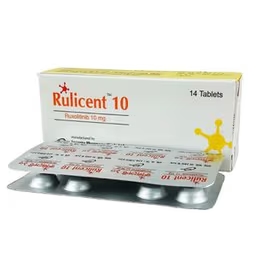
Ruxolitinib is an oral Janus kinase (JAK1/JAK2) inhibitor used in adults (and, for certain indications, adolescents) for the following conditions: Established and more.
Ruxolitinib is an oral Janus kinase (JAK1/JAK2) inhibitor used in adults (and, for certain indications, adolescents) for the following conditions:
A separate topical cream formulation of Ruxolitinib is approved in some markets for mild-to-moderate atopic dermatitis and for nonsegmental vitiligo in non-immunocompromised patients 12 years and older; this oral-formulation information does not apply to the topical product, which has its own distinct dosing and safety profile.
Ruxolitinib is a specialist hematology-oncology medicine (or, for GVHD, transplant-medicine specialty product) and must only be prescribed and monitored by, or in close consultation with, a qualified specialist.
| Indication | Ruxolitinib Starting Dose | Notes |
|---|---|---|
| Myelofibrosis — platelet count >200 x 109/L | 20 mg orally twice daily | Dose based on baseline platelet count; adjusted thereafter per response and blood counts |
| Myelofibrosis — platelet count 100-200 x 109/L | 15 mg orally twice daily | |
| Myelofibrosis — platelet count 50-<100 x 109/L | 5 mg orally twice daily | Not generally recommended to start if platelets <50 x 109/L |
| Polycythemia vera | 10 mg orally twice daily | Adjusted based on efficacy and safety, up to a maximum |
| Acute graft-versus-host disease | 5 mg orally twice daily | May be increased to 10 mg twice daily after day 3 based on response, per specialist assessment |
| Chronic graft-versus-host disease | 10 mg orally twice daily | May be reduced (e.g. to 5 mg twice daily) with certain interacting drugs or hepatic/renal impairment |
The dose of Ruxolitinib is individualized and adjusted by the treating specialist based on platelet counts, absolute neutrophil count, response, and tolerability. Dose interruption or reduction is commonly required for thrombocytopenia, neutropenia, or other significant toxicity; see Precautions and Side Effects.
Dose reduction is required for moderate to severe renal impairment (based on indication and platelet count, per specialist dosing tables). In end-stage renal disease requiring hemodialysis, a single adjusted dose is given after each dialysis session only, on dialysis days.
Dose reduction (generally by about half of the otherwise indicated starting dose) is required for any degree of hepatic impairment, with dosing individualized further based on platelet count and response.
The dose of Ruxolitinib should be reduced when co-administered with strong CYP3A4 inhibitors or with fluconazole at doses of 200 mg/day or less; concomitant use with fluconazole doses above 200 mg/day should be avoided (see Interactions).
If a dose is missed, the next dose should be taken at the regular scheduled time; do not double the dose to make up for a missed one.
Ruxolitinib should not be stopped abruptly, particularly in myelofibrosis and polycythemia vera, as this can cause a withdrawal-like flare of symptoms (return of splenomegaly, worsening constitutional symptoms, and rarely an acute febrile illness resembling cytokine release). If discontinuation is needed, the treating physician will generally taper the dose gradually.
Patients should report any fever, signs of infection, unusual bruising or bleeding, new skin lesions, leg swelling/pain, chest pain, or shortness of breath to their treating physician promptly while taking Ruxolitinib.
Ruxolitinib is contraindicated only in patients with known hypersensitivity to Ruxolitinib or any component of the formulation. There are no other well-established absolute contraindications; conditions requiring caution (e.g. severe cytopenias, active serious infection, hepatic or renal impairment, pregnancy) are addressed under Precautions and Warnings and Pregnancy and Lactation rather than as absolute contraindications.
Disclaimer
The information provided is accurate to the best of our knowledge, but it does not replace professional medical advice. We cannot guarantee its completeness or accuracy, and the absence of specific information about a drug should not be taken as an endorsement. We are not responsible for any consequences arising from this information, so please consult a healthcare professional for any concerns or questions.