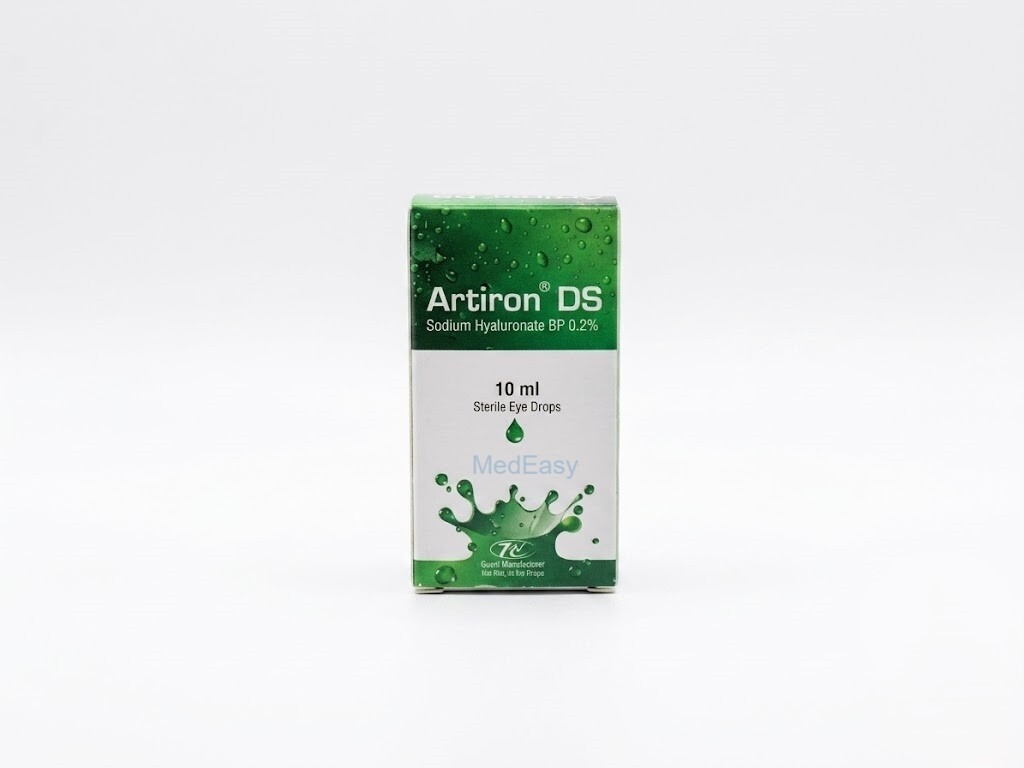
Generic medicine

Sodium Hyaluronate: Brands, Price & Uses in Bangladesh

Sodium Hyaluronate is a naturally occurring viscoelastic polysaccharide (glycosaminoglycan) used in several distinct clinical settings depending on formulation and route of administration:…

Forms:Ophthalmic SolutionInjectionOphthalmic Gel

About Sodium Hyaluronate

Indications of Sodium Hyaluronate

Sodium Hyaluronate is a naturally occurring viscoelastic polysaccharide (glycosaminoglycan) used in several distinct clinical settings depending on formulation and route of administration:

Established / approved uses

  • Ophthalmic lubrication (dry eye): Sodium Hyaluronate eye drops are indicated for the temporary relief of burning, irritation, and discomfort due to dryness of the eye (artificial tears), and for use as a protectant against further irritation.
  • Ophthalmic surgical aid (viscosurgical device): Sterile, higher-viscosity Sodium Hyaluronate preparations are used intraoperatively during anterior segment surgery (e.g., cataract extraction/intraocular lens implantation, corneal transplantation, glaucoma filtration surgery) to maintain anterior chamber depth, protect the corneal endothelium and other ocular tissues, and facilitate surgical manipulation.
  • Intra-articular injection for knee osteoarthritis (viscosupplementation): Injectable Sodium Hyaluronate preparations are indicated for the treatment of pain associated with osteoarthritis of the knee in patients who have failed to respond adequately to conservative non-pharmacologic therapy and simple analgesics (e.g., paracetamol).

Adjunct / second-line use

Intra-articular Sodium Hyaluronate is generally used as an adjunct after, or in combination with, first-line measures (weight management, physical therapy, oral or topical analgesics/NSAIDs) rather than as initial monotherapy.

Some formulations of Sodium Hyaluronate injection are also used off-label at other joints (e.g., hip, shoulder) by specialists, although knee osteoarthritis remains the primary evidence-based and labeled indication.

Dosage & Administration of Sodium Hyaluronate

Dosage by indication

IndicationTypical adult dosing
Dry eye / ocular lubricationInstill 1-2 drops of Sodium Hyaluronate ophthalmic solution into the affected eye(s) as needed, typically 3-4 times daily, or as directed by the prescriber. Preservative-free single-dose units may be used more frequently if needed.
Ophthalmic surgical aidAdministered only by the operating ophthalmic surgeon intraoperatively, injected into the anterior chamber or relevant ocular space in the amount required to achieve the desired surgical effect; not a patient-administered dose.
Knee osteoarthritis (viscosupplementation)Administered by a physician as an intra-articular injection directly into the knee joint, usually as a course of 1 to 5 weekly injections (regimen depends on the specific product), commonly around 2-2.5 mL per injection. A repeat course may be considered after approximately 6 months if needed, per physician judgment.

Administration notes

  • Sodium Hyaluronate eye drops are for topical ophthalmic use only; wash hands before instillation and avoid touching the dropper tip to the eye or any surface.
  • Injectable Sodium Hyaluronate (surgical or intra-articular) must be administered by a trained healthcare professional using strict aseptic technique; it is not intended for self-administration.
  • If using contact lenses, remove them before instilling Sodium Hyaluronate eye drops unless otherwise directed.

Side Effects of Sodium Hyaluronate

Ophthalmic use

  • Transient blurred vision immediately after instillation
  • Mild, temporary stinging, burning, or foreign-body sensation
  • Ocular redness or discomfort (uncommon)

Intra-articular use

  • Injection-site pain, swelling, warmth, or joint effusion (most common)
  • Transient arthralgia or stiffness after injection
  • Rare pseudoseptic reactions (acute inflammatory joint reaction without infection)
  • Rare joint infection - a recognized procedural risk of any intra-articular injection rather than a direct pharmacologic effect of Sodium Hyaluronate itself (see Precautions and Warnings)
  • Rare hypersensitivity reactions (itching, rash) at or away from the injection site

Ophthalmic surgical use

Generally well tolerated intraoperatively; transient postoperative increase in intraocular pressure has been reported and is usually managed by the surgical team.

Contraindications of Sodium Hyaluronate

Sodium Hyaluronate is contraindicated in:

  • Patients with known hypersensitivity to Sodium Hyaluronate, hyaluronic acid, or any excipient in the specific formulation.
  • Some intra-articular Sodium Hyaluronate products derived from avian (rooster comb) sources are contraindicated in patients with known hypersensitivity to avian proteins, feathers, or egg products; check the specific product's labeling.
  • Intra-articular Sodium Hyaluronate injection is contraindicated in patients with active infection or significant inflammation/infection of the skin at or near the injection site, and in patients with infected joints (septic arthritis).

Frequently Asked Questions about Sodium Hyaluronate

What is Sodium Hyaluronate used for?

Sodium Hyaluronate is used in several different ways depending on the formulation: as eye drops to relieve dryness, burning, and irritation of the eyes (dry eye); as a viscoelastic aid used by surgeons during eye operations such as cataract surgery; and as an injection given directly into the knee joint to relieve pain from osteoarthritis when other treatments have not worked well enough.

How often should I use Sodium Hyaluronate eye drops?

Most people use Sodium Hyaluronate eye drops 3-4 times daily as needed for dry eye symptoms, or as directed by their doctor. Preservative-free single-dose vials of Sodium Hyaluronate can generally be used more frequently if required.

Is Sodium Hyaluronate injection painful, and how many injections will I need?

Sodium Hyaluronate knee injections may cause brief discomfort, mild swelling, or warmth at the injection site, which usually resolves within a few days. Depending on the specific product, a course typically involves 1 to 5 weekly injections, and your physician will advise on the exact schedule best suited to you.

Can Sodium Hyaluronate be used if I have an infection in my joint or at the injection site?

No. Sodium Hyaluronate intra-articular injection must not be given into an infected joint or through skin that is infected or inflamed at the planned injection site, as this is a recognized contraindication. Tell your doctor immediately if you notice redness, warmth, worsening pain, or fever, as this could indicate infection.

Is Sodium Hyaluronate safe during pregnancy or breastfeeding?

Data on Sodium Hyaluronate use during pregnancy and breastfeeding are limited. Because it is used locally (in the eye or joint) with minimal absorption into the bloodstream, the risk is generally considered low, but Sodium Hyaluronate should still be used during pregnancy or lactation only if clearly needed and after discussing the potential benefits and risks with your physician.

What should I do if I think I've had too much Sodium Hyaluronate or a bad reaction to it?

If you experience severe eye pain, marked vision changes, severe joint swelling, signs of infection, or any severe or persistent reaction after using Sodium Hyaluronate, seek immediate medical attention or contact emergency services/poison control rather than trying to manage it at home.

Disclaimer

The information provided is accurate to the best of our knowledge, but it does not replace professional medical advice. We cannot guarantee its completeness or accuracy, and the absence of specific information about a drug should not be taken as an endorsement. We are not responsible for any consequences arising from this information, so please consult a healthcare professional for any concerns or questions.


DoctorBlogArticles