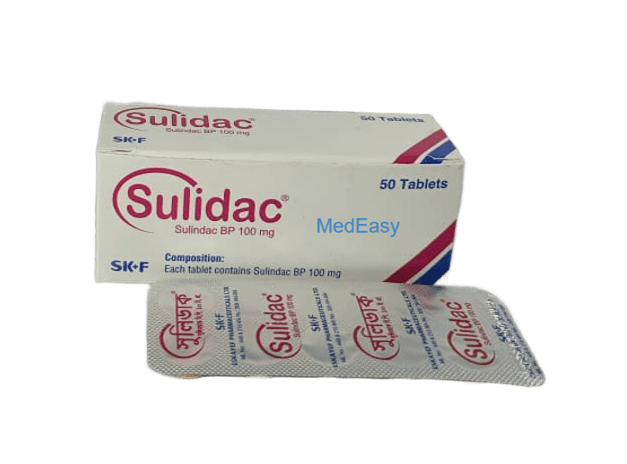
Generic medicine

Sulindac: Brands, Price & Uses in Bangladesh

Sulindac is a non-steroidal anti-inflammatory drug (NSAID) used for the acute or long-term relief of signs and symptoms of several musculoskeletal and inflammatory conditions.

Forms:Tablet

About Sulindac

Indications of Sulindac

Sulindac is a non-steroidal anti-inflammatory drug (NSAID) used for the acute or long-term relief of signs and symptoms of several musculoskeletal and inflammatory conditions.

Established/FDA-approved uses

  • Osteoarthritis (symptomatic relief of pain and inflammation)
  • Rheumatoid arthritis (symptomatic relief of pain and inflammation)
  • Ankylosing spondylitis
  • Acute painful shoulder (subacromial bursitis and supraspinatus tendinitis)
  • Acute gouty arthritis

Sulindac treats the signs and symptoms of these conditions; it does not alter their underlying disease course. The lowest effective dose should be used for the shortest duration consistent with individual treatment goals.

Dosage & Administration of Sulindac

Sulindac should be taken orally, generally twice daily with food to reduce gastrointestinal upset. The lowest effective dose should be used for the shortest duration necessary. See Dosage for indication-specific dosing and Administration for instructions on how to take Sulindac.

Side Effects of Sulindac

Common side effects of Sulindac (occurring in more than 1% of patients) include:

  • Gastrointestinal pain, dyspepsia, nausea
  • Diarrhea or constipation
  • Headache and dizziness
  • Rash
  • Tinnitus (ringing in the ears)
  • Fluid retention/edema

Less common but serious side effects

  • Gastrointestinal bleeding, ulceration, or perforation
  • Hepatotoxicity, including rare cholestatic hepatitis; Sulindac has been more frequently associated with liver-related reactions than some other NSAIDs, so liver function should be monitored
  • Pancreatitis (reported rarely with Sulindac)
  • Renal impairment, including papillary necrosis with long-term use
  • Thrombocytopenia
  • Serious skin reactions, including Stevens-Johnson syndrome and toxic epidermal necrolysis
  • Anaphylactic/anaphylactoid reactions
  • Aseptic meningitis (particularly in patients with systemic lupus erythematosus or mixed connective tissue disease)

Seek immediate medical attention for signs of severe skin reaction, unexplained abdominal pain, black or bloody stools, yellowing of the skin or eyes, or signs of an allergic reaction.

Contraindications of Sulindac

Sulindac is contraindicated in the following situations:

  • Known hypersensitivity to Sulindac or any of its components
  • History of asthma, urticaria, or other allergic-type reactions after taking aspirin or other NSAIDs (due to risk of severe, potentially fatal anaphylactoid reactions)
  • Active gastrointestinal bleeding or active peptic ulcer disease
  • Severe (decompensated) heart failure
  • Third trimester of pregnancy
  • Severe renal or hepatic impairment
  • Treatment of perioperative pain in the setting of coronary artery bypass graft (CABG) surgery

Frequently Asked Questions about Sulindac

What is Sulindac used for?

Sulindac is a non-steroidal anti-inflammatory drug (NSAID) used to relieve the pain, swelling, and stiffness of osteoarthritis, rheumatoid arthritis, and ankylosing spondylitis, as well as to treat acute painful shoulder and acute gouty arthritis.

How should I take Sulindac?

Sulindac is usually taken by mouth twice daily with food to reduce stomach upset. Follow your physician's instructions for dose and duration, and do not exceed the maximum recommended dose of 400 mg per day.

Can I take Sulindac if I am pregnant?

Sulindac should be avoided from approximately 30 weeks of pregnancy onward because it can cause the baby's ductus arteriosus to close prematurely. Between 20 and 30 weeks it should be used only if clearly needed, at the lowest dose for the shortest time, and only under a physician's guidance. Use earlier in pregnancy should also be discussed with a physician, who will weigh the potential benefit against the potential risk to the fetus.

What are the serious side effects of Sulindac I should watch for?

Seek immediate medical attention if you experience signs of gastrointestinal bleeding (black or bloody stools, vomiting blood), yellowing of the skin or eyes, unexplained abdominal pain, chest pain, sudden weakness or slurred speech, severe skin rash or blistering, or signs of an allergic reaction while taking Sulindac, as these can indicate serious gastrointestinal, hepatic, cardiovascular, or hypersensitivity reactions.

Can I take Sulindac with aspirin or other NSAIDs?

Taking Sulindac together with aspirin or other NSAIDs is generally not recommended, as it reduces the effective levels of Sulindac's active metabolite and increases the risk of gastrointestinal side effects such as bleeding or ulceration. Discuss any pain reliever combinations with your physician.

Is Sulindac safe for long-term use?

Sulindac can be used long-term for chronic conditions like osteoarthritis and rheumatoid arthritis, but it should be used at the lowest effective dose for the shortest duration necessary, with regular medical follow-up, because long-term NSAID use carries risks of gastrointestinal, cardiovascular, renal, and hepatic complications.

Disclaimer

The information provided is accurate to the best of our knowledge, but it does not replace professional medical advice. We cannot guarantee its completeness or accuracy, and the absence of specific information about a drug should not be taken as an endorsement. We are not responsible for any consequences arising from this information, so please consult a healthcare professional for any concerns or questions.
DoctorBlogArticles