Generic medicine

Travoprost: Brands, Price & Uses in Bangladesh

Approved Indication Travoprost ophthalmic solution is indicated for the reduction of elevated intraocular pressure (IOP) in patients with open-angle glaucoma or ocular hypertension .

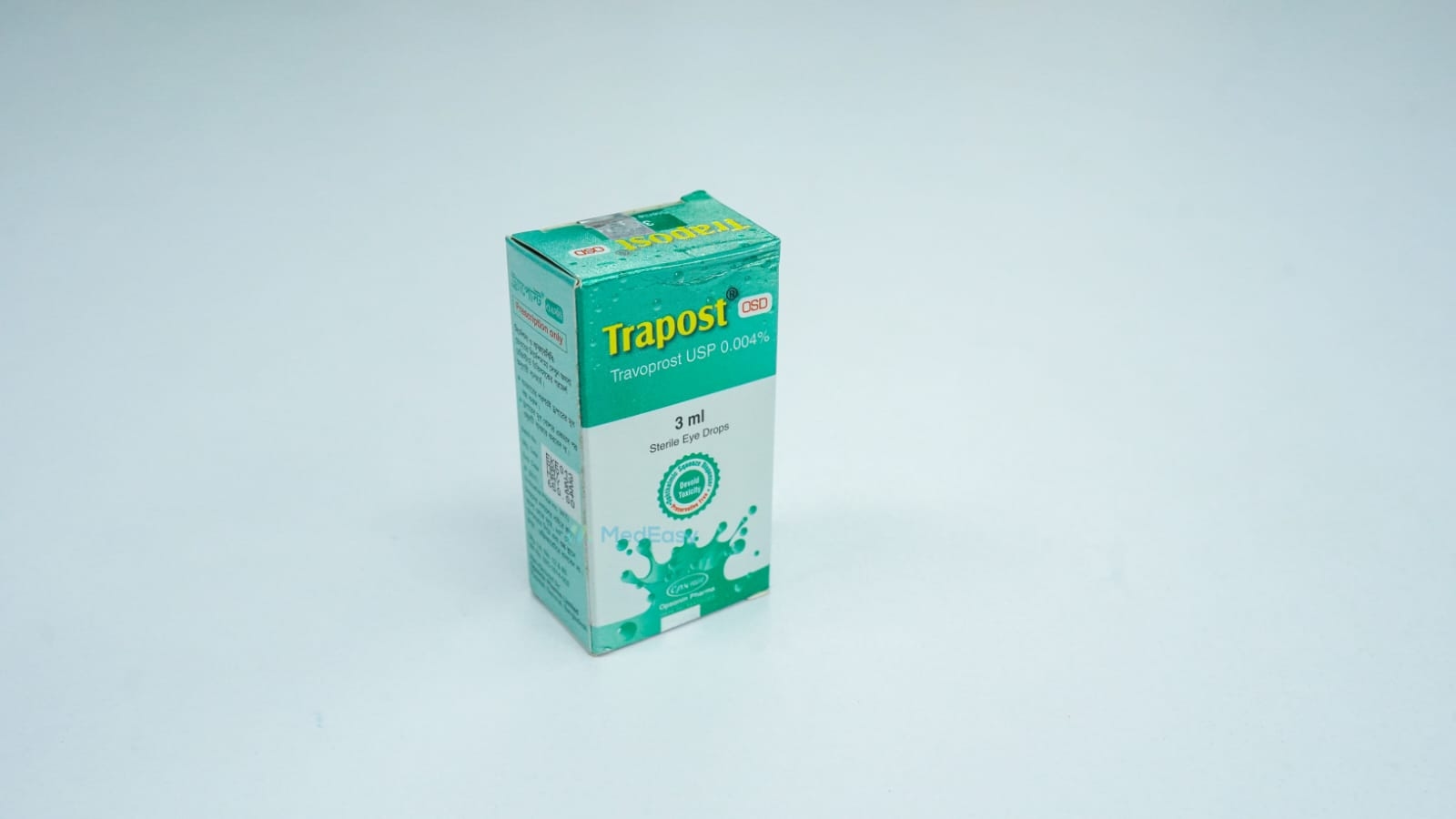
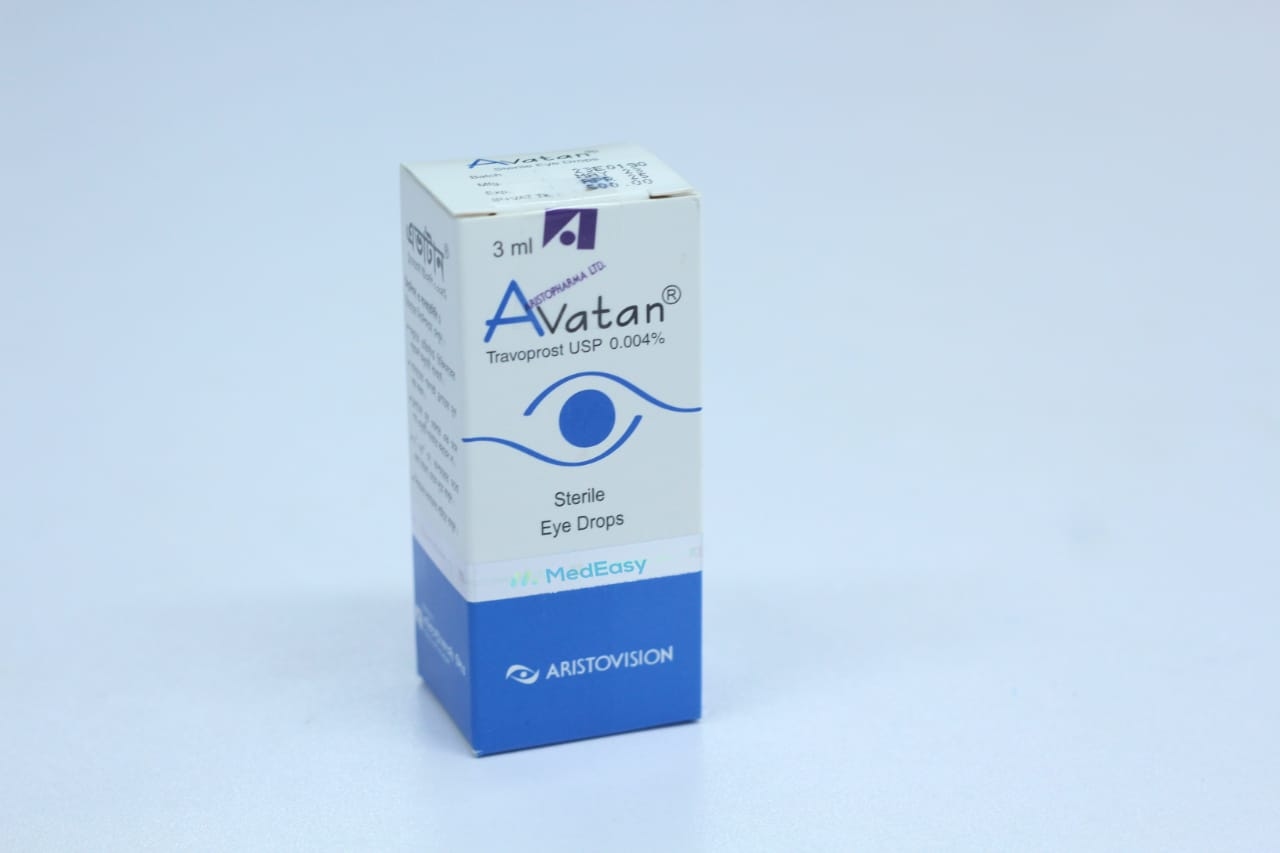
Forms:Ophthalmic SolutionEye Drops

About Travoprost

Indications of Travoprost

Approved Indication

Travoprost ophthalmic solution is indicated for the reduction of elevated intraocular pressure (IOP) in patients with open-angle glaucoma or ocular hypertension.

  • First-line / monotherapy use (established, FDA-approved): Travoprost is used alone as a once-daily topical therapy to lower IOP in adults with open-angle glaucoma or ocular hypertension.
  • Adjunct/combination use (guideline-supported): Travoprost may be added to other IOP-lowering eye drops (e.g., topical beta-blockers, carbonic anhydrase inhibitors, alpha-agonists) when a single agent does not achieve target IOP; this requires combination therapy under specialist supervision.

Travoprost is not approved for and should not be used to treat angle-closure glaucoma, congenital glaucoma, or other acute causes of raised intraocular pressure that require different management.

Dosage & Administration of Travoprost

Recommended Dosing

IndicationPopulationDose
Open-angle glaucoma / ocular hypertensionAdultsOne drop of Travoprost 0.004% in the affected eye(s) once daily, in the evening
Open-angle glaucoma / ocular hypertensionPediatric patientsSafety and efficacy not established (see Use in Special Populations)

Administration Instructions

  • Instill exactly one drop of Travoprost into the conjunctival sac of the affected eye(s) once daily in the evening. Do not use more than once daily, as more frequent dosing may reduce the IOP-lowering effect.
  • If a dose is missed, resume the normal once-daily schedule the next evening; do not instill an extra drop to make up for a missed dose.
  • If using more than one topical ophthalmic medicine, separate administration of each product by at least 5 minutes.
  • Contact lens wearers should remove lenses before instilling Travoprost and may reinsert them 15 minutes after administration (see Precautions regarding preservative absorption by lenses).
  • Avoid letting the dropper tip touch the eye, eyelid, or any surface, to reduce the risk of contamination.

Side Effects of Travoprost

Common and Characteristic Adverse Effects

EffectNotes
Ocular hyperemia (eye redness)Very common; a typical, characteristic effect of Travoprost and other prostaglandin analogues
Eyelash changesIncreased length, thickness, number, and pigmentation of eyelashes with continued use
Iris pigmentation changesIncreased brown pigmentation of the iris, which is usually permanent; more likely in patients with mixed-colour irides (e.g., blue-brown, green-brown)
Periorbital/eyelid skin darkeningDarkening of the skin around the eye, which may be reversible in some patients on discontinuation
Ocular pruritus, dryness, irritation or painCommon, generally mild
Blurred vision, foreign body sensationUsually transient after instillation

Less commonly, Travoprost has been associated with intraocular inflammation (iritis/uveitis) and macular edema (including cystoid macular edema) in susceptible patients — see Precautions and Warnings.

Contraindications of Travoprost

Travoprost is contraindicated in patients with known hypersensitivity to Travoprost or to any component of the formulation (including the preservative, such as benzalkonium chloride, in preserved formulations).

Frequently Asked Questions about Travoprost

What is Travoprost used for?

Travoprost is an eye drop used to lower elevated intraocular pressure (pressure inside the eye) in people with open-angle glaucoma or ocular hypertension, helping to protect the optic nerve and preserve vision over the long term.

How should I use Travoprost eye drops?

Instill one drop of Travoprost into the affected eye(s) once daily, in the evening. Do not use it more often than prescribed, as using it more frequently can actually make it less effective at lowering eye pressure.

Will Travoprost change the colour of my eyes?

Travoprost can gradually increase brown pigmentation in the iris, especially in people with mixed-colour eyes (such as blue-brown or green-brown). This colour change is usually permanent and may be more visible if only one eye is treated. It can also make eyelashes longer, thicker, and darker, and may darken the skin around the eyes. Your doctor should discuss these possible changes with you before you start treatment.

Can I use Travoprost while wearing contact lenses?

Remove contact lenses before instilling Travoprost, since the preservative in the drops can be absorbed by soft lenses. You can reinsert your lenses about 15 minutes after using the drops.

Is Travoprost safe to use during pregnancy or breastfeeding?

Safety in pregnancy and breastfeeding has not been fully established. Travoprost should be used in these situations only if your physician judges that the benefit clearly outweighs the potential risk, so always consult your doctor before using Travoprost if you are pregnant, planning pregnancy, or breastfeeding.

What should I do if I miss a dose or use too much Travoprost?

If you miss a dose, simply continue with your normal once-daily schedule the next evening — do not double up. If you or a child accidentally swallows Travoprost or uses excessive amounts, flush the eye with lukewarm water if it was over-instilled, and contact your physician, emergency services, or a poison control centre promptly for further advice.

Disclaimer

The information provided is accurate to the best of our knowledge, but it does not replace professional medical advice. We cannot guarantee its completeness or accuracy, and the absence of specific information about a drug should not be taken as an endorsement. We are not responsible for any consequences arising from this information, so please consult a healthcare professional for any concerns or questions.


DoctorBlogArticles