Generic medicine

Valacyclovir: Brands, Price & Uses in Bangladesh

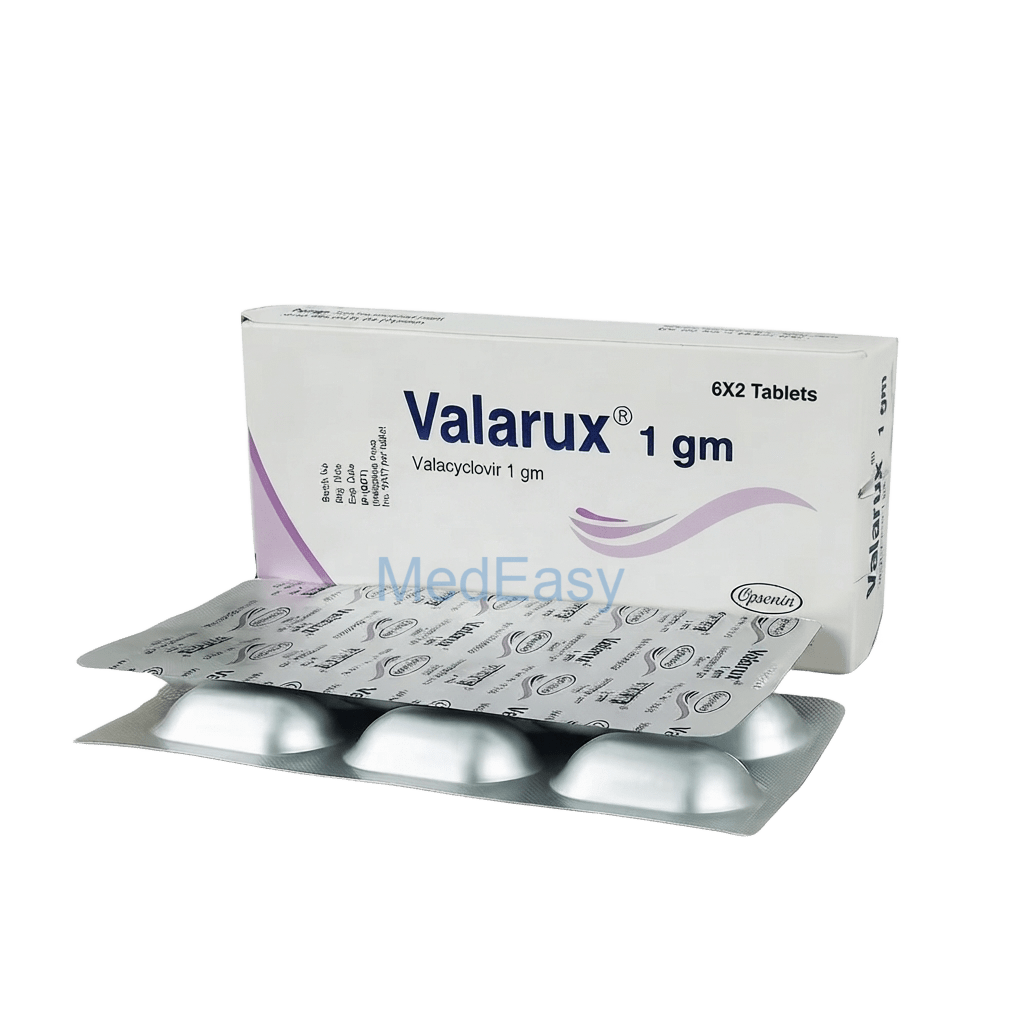
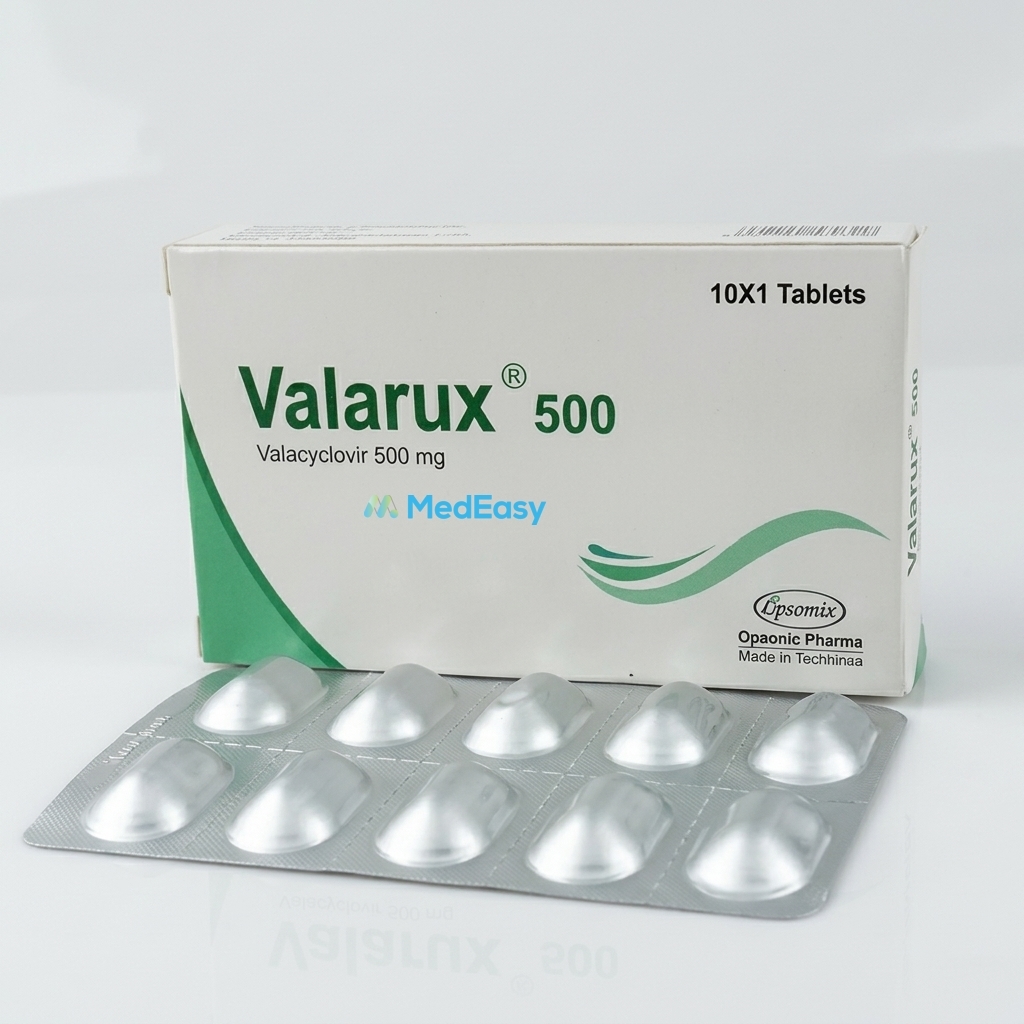
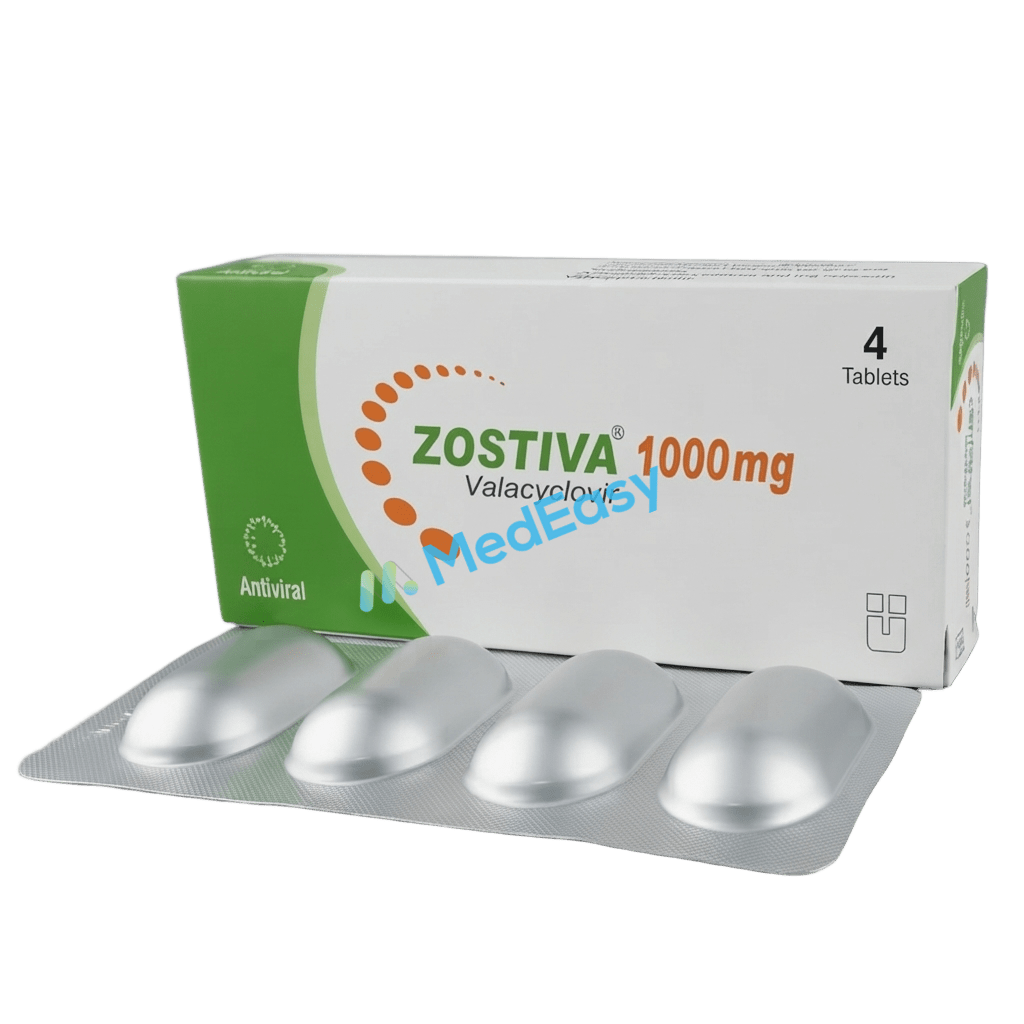
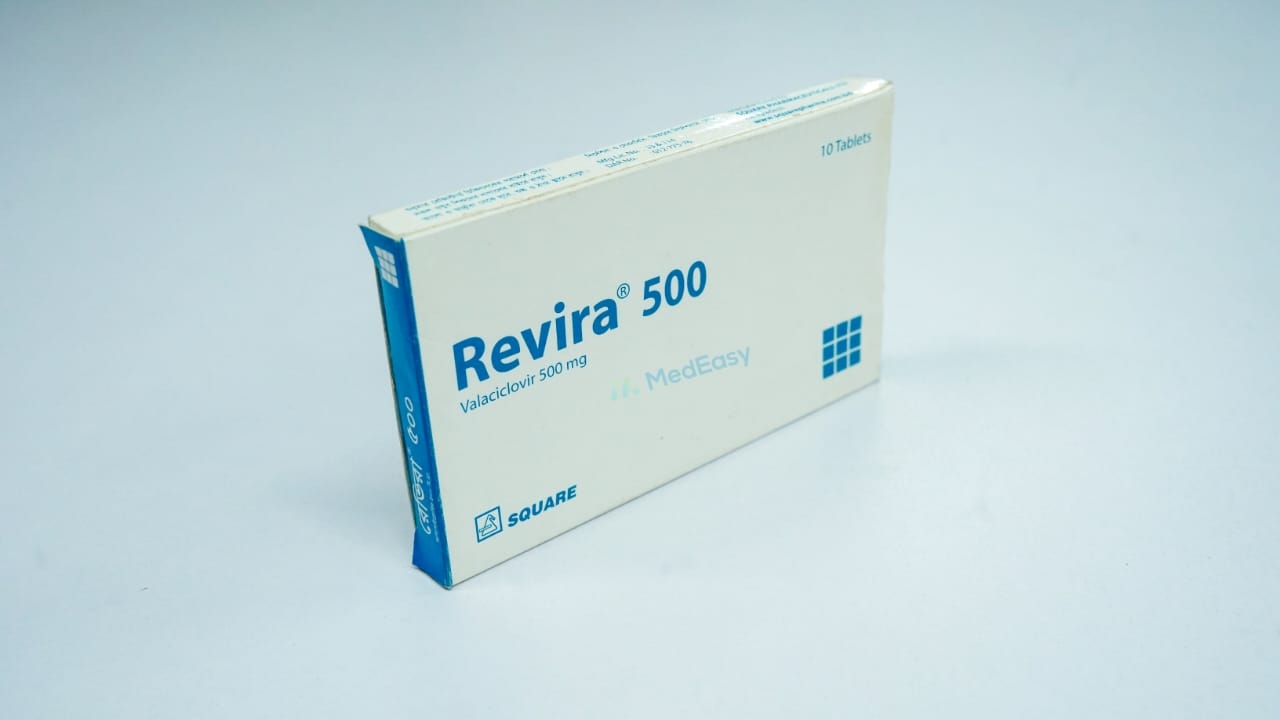
Valacyclovir is an antiviral medicine indicated for the treatment and management of infections caused by herpes simplex virus (HSV) and varicella-zoster virus (VZV).

Forms:Tablet

About Valacyclovir

Indications of Valacyclovir

Valacyclovir is an antiviral medicine indicated for the treatment and management of infections caused by herpes simplex virus (HSV) and varicella-zoster virus (VZV). Its established and guideline-supported uses include:

Established / FDA-approved uses

  • Herpes zoster (shingles): Treatment of acute herpes zoster in immunocompetent adults.
  • Genital herpes:
    • Treatment of the initial episode of genital herpes.
    • Treatment of recurrent episodes of genital herpes (episodic therapy).
    • Chronic suppressive therapy to reduce the frequency of recurrent genital herpes outbreaks in immunocompetent and HIV-1 infected patients.
    • Reduction of the risk of transmitting genital herpes to a susceptible partner, in immunocompetent, heterosexual, sero-discordant couples, used together with safer-sex practices.
  • Herpes labialis (cold sores): Treatment of recurrent herpes labialis (cold sores) in adults and adolescents.
  • Chickenpox (varicella): Treatment of chickenpox in immunocompetent pediatric patients (2 to less than 18 years of age).

Off-label / adjunct use (used by clinicians, not a primary FDA-labeled indication)

  • Suppressive or episodic therapy for recurrent herpes labialis in selected patients.
  • Prophylaxis against HSV/VZV reactivation in certain immunocompromised patients (e.g., transplant recipients), under specialist supervision.

Valacyclovir does not cure herpes infections; it reduces the severity and duration of outbreaks and, with suppressive use, lowers the frequency of recurrences.

Dosage & Administration of Valacyclovir

Dosing of Valacyclovir depends on the indication being treated, renal function, and immune status. It should be started as early as possible after symptom onset for maximum benefit.

IndicationTypical adult doseDuration
Herpes zoster (shingles)1 g three times daily7 days
Genital herpes - initial episode1 g twice daily10 days
Genital herpes - recurrent episode500 mg twice daily3 days
Genital herpes - chronic suppressive therapy (immunocompetent)500 mg or 1 g once daily (1 g once daily if ≥10 recurrences/year)Long-term, reassessed periodically (e.g., annually)
Genital herpes - suppressive therapy in HIV-infected patients500 mg twice dailyLong-term, as advised by physician
Reducing transmission of genital herpes to partner500 mg once daily (source partner, immunocompetent)Long-term, with safer-sex practices
Herpes labialis (cold sores)2 g twice daily, 12 hours apart1 day (single-day, 2-dose course)
Chickenpox (varicella), pediatric 2-<18 years20 mg/kg three times daily (max 1 g three times daily)5 days

Renal impairment: Dose and/or dosing interval must be reduced according to creatinine clearance; a physician should individualize the regimen based on renal function (see Use in Special Populations).

Tablets should be taken with a full glass of water and can be taken with or without food. Maintaining adequate hydration during treatment, especially at higher doses, is recommended.

Side Effects of Valacyclovir

Most patients tolerate Valacyclovir well. Reported adverse effects include:

Common

  • Headache
  • Nausea, vomiting, abdominal pain
  • Dizziness

Less common / serious (require prompt medical attention)

  • Nephrotoxicity: dose-related acute kidney injury, especially at high doses, in dehydrated patients, in the elderly, or in those with pre-existing renal impairment; adequate hydration reduces this risk.
  • Neurotoxicity: confusion, agitation, hallucinations, tremor, or (rarely) encephalopathy - reported mainly in elderly patients or those with renal impairment, particularly at high doses.
  • Thrombotic thrombocytopenic purpura / hemolytic uremic syndrome (TTP/HUS): a rare but serious and potentially fatal blood disorder, reported almost exclusively with high-dose Valacyclovir in HIV-infected patients and in transplant recipients (e.g., bone marrow or renal transplant); patients on high-dose therapy in these groups should be monitored closely.
  • Hypersensitivity reactions, including rash.

Seek medical attention promptly if severe reactions, unusual bruising/bleeding, reduced urination, or significant confusion occur.

Contraindications of Valacyclovir

Valacyclovir is contraindicated in patients with known hypersensitivity to Valacyclovir, acyclovir, or any component of the formulation.

Frequently Asked Questions about Valacyclovir

What is Valacyclovir used for?

Valacyclovir is an antiviral medicine used to treat and manage infections caused by herpes simplex virus and varicella-zoster virus, including cold sores, genital herpes, shingles, and chickenpox.

How quickly should I start taking Valacyclovir after symptoms begin?

Valacyclovir works best when started as early as possible after the first signs of an outbreak (e.g., tingling before a cold sore, or the first day of a shingles rash), ideally within 24-72 hours of symptom onset.

Can Valacyclovir cure herpes completely?

No. Valacyclovir does not eliminate the herpes virus from the body. It reduces the severity, duration, and frequency of outbreaks, and can lower the risk of transmission to a partner, but the virus remains dormant in the body afterward.

Is Valacyclovir safe during pregnancy or breastfeeding?

Valacyclovir should be used in pregnancy only if the potential benefit clearly outweighs the potential risk to the fetus, and only on a physician's advice; available registry data have not shown an increased risk of birth defects, but data remain limited. Acyclovir (the active form of Valacyclovir) passes into breast milk, so Valacyclovir should be used while breastfeeding only if clearly needed and under medical supervision.

What are the serious side effects I should watch for with Valacyclovir?

Seek prompt medical attention for signs of kidney problems (reduced urination, swelling), confusion or agitation, or unusual bruising/bleeding with weakness and reduced urination, which could indicate the rare but serious blood disorder TTP/HUS, reported mainly with high-dose Valacyclovir in HIV-infected or transplant patients.

Do I need to adjust my dose if I have kidney problems?

Yes. Valacyclovir is cleared by the kidneys, so patients with reduced kidney function need a lower dose or less frequent dosing, as determined by a physician based on kidney function tests. Adequate hydration is also recommended, especially at higher doses.

Disclaimer

The information provided is accurate to the best of our knowledge, but it does not replace professional medical advice. We cannot guarantee its completeness or accuracy, and the absence of specific information about a drug should not be taken as an endorsement. We are not responsible for any consequences arising from this information, so please consult a healthcare professional for any concerns or questions.
DoctorBlogArticles