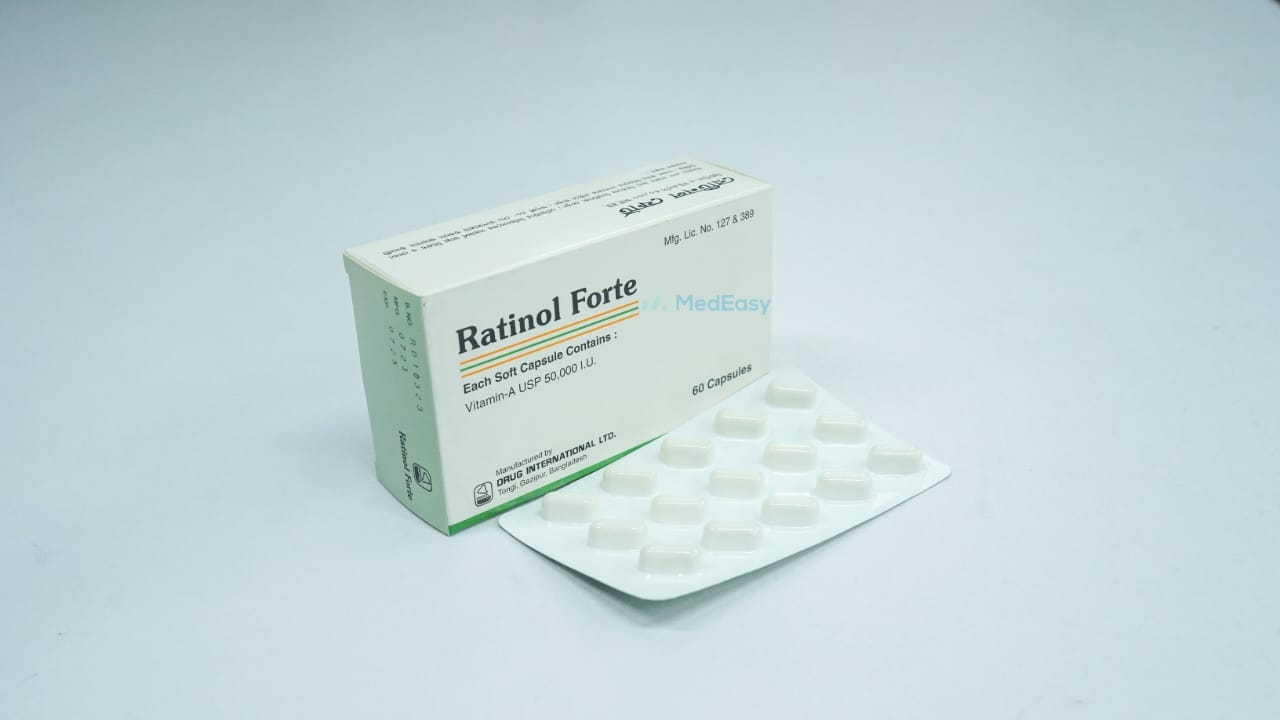
Generic medicine

Vitamin A: Brands, Price & Uses in Bangladesh

Vitamin A is a fat-soluble vitamin essential for normal vision, immune function, reproduction, and the health of epithelial (skin and mucous membrane) tissue.

Forms:Capsule

About Vitamin A

Indications of Vitamin A

Vitamin A is a fat-soluble vitamin essential for normal vision, immune function, reproduction, and the health of epithelial (skin and mucous membrane) tissue. Its indications can be classified by strength of evidence as follows:

Established / Guideline-Supported Uses

  • Prevention and treatment of Vitamin A deficiency, including nutritional deficiency due to inadequate dietary intake, malabsorption syndromes (e.g., celiac disease, cystic fibrosis, chronic diarrhea), biliary or pancreatic disease, or after bariatric/intestinal surgery.
  • Xerophthalmia and night blindness (nyctalopia) caused by Vitamin A deficiency.
  • Periodic high-dose supplementation in children aged 6–59 months in areas of endemic deficiency, per World Health Organization (WHO) guidance, to reduce all-cause mortality and the risk of blindness.

Adjunct / Combination-Therapy Uses

  • Adjunct therapy in measles in children in populations or settings with a high prevalence of Vitamin A deficiency, given alongside standard supportive measles care, per WHO recommendations — this reduces measles-associated morbidity and mortality but does not replace other measles management.

Off-Label Use (not FDA-approved, used based on clinical judgment)

  • Adjunct management of certain dermatologic conditions and as a component of some retinoid-based dermatologic regimens (distinct from prescription retinoid drugs, which are separate medicines).

Vitamin A is not indicated for general health maintenance at doses above the Recommended Dietary Allowance (RDA) in people who are not deficient, as excess intake carries risk of toxicity (see Overdose and Precautions).

Dosage & Administration of Vitamin A

Dosing of Vitamin A is individualized by indication, age, and severity of deficiency; high-dose deficiency-treatment regimens are far higher than routine dietary supplementation doses and should not be self-administered without medical or public-health program guidance.

IndicationPopulationTypical Dose
Vitamin A deficiency (dietary/malabsorptive)Adults10,000–50,000 IU orally per day for 1–2 weeks, then a maintenance dose, guided by clinical and biochemical response
Xerophthalmia / severe deficiencyAdults and children ≥1 year200,000 IU orally on day 1, day 2, and again at 2–4 weeks (WHO treatment schedule), or as directed by a physician
Xerophthalmia / severe deficiencyInfants 6–12 months100,000 IU on day 1, day 2, and at 2–4 weeks
Periodic prophylactic supplementation (endemic deficiency areas)Children 6–11 months100,000 IU orally as a single dose every 4–6 months (WHO/national program schedule)
Periodic prophylactic supplementation (endemic deficiency areas)Children 12–59 months200,000 IU orally as a single dose every 4–6 months (WHO/national program schedule)
Measles, adjunct (deficient populations)Children, age-based50,000–200,000 IU orally on day 1 and day 2, per age-based WHO schedule

Doses should be taken orally, generally with a meal containing some fat to enhance absorption, unless a physician or specific product labeling directs otherwise. Renal or hepatic impairment: use with caution and reduce dose/frequency in significant hepatic impairment, as the liver stores and metabolizes Vitamin A; no well-established fixed renal dose adjustment exists, but caution is warranted as toxicity risk may be altered.

Side Effects of Vitamin A

At recommended doses, Vitamin A is generally well tolerated. Side effects are primarily associated with excessive or prolonged high-dose intake (hypervitaminosis A) and may include:

  • Headache, fatigue, irritability
  • Nausea, vomiting, abdominal discomfort, loss of appetite
  • Dry, rough, or peeling skin; hair loss; cheilitis (cracked lips)
  • Bone and joint pain; in chronic excess, bone abnormalities and increased fracture risk
  • Blurred vision and, rarely, intracranial hypertension (headache, papilledema, vomiting) with high-dose or prolonged excessive use
  • Liver enzyme elevation and, with chronic excess, hepatotoxicity

Report severe headache, visual changes, persistent vomiting, or yellowing of skin/eyes to a physician promptly.

Contraindications of Vitamin A

Vitamin A is contraindicated in:

  • Patients with known hypersensitivity to Vitamin A or any component of the formulation.
  • Patients with pre-existing hypervitaminosis A (Vitamin A toxicity).

High-dose supplemental Vitamin A should not be given to pregnant women beyond the recommended dietary allowance except under direct medical supervision, due to teratogenic risk (see Pregnancy and Lactation).

Frequently Asked Questions about Vitamin A

What is Vitamin A used for?

Vitamin A is used to prevent and treat Vitamin A deficiency, night blindness, and xerophthalmia, and as periodic supplementation in children in areas where deficiency is common. It is also used as an adjunct in measles management in deficient populations, per WHO guidance.

Can I take Vitamin A during pregnancy?

Vitamin A at normal dietary/recommended intake levels is needed during pregnancy, but high-dose supplements above the recommended dietary allowance can cause birth defects, especially in early pregnancy. Do not take high-dose Vitamin A during pregnancy unless your physician has specifically advised it and determined that the benefit outweighs the risk.

What happens if I take too much Vitamin A?

Taking too much Vitamin A can cause nausea, headache, dizziness, blurred vision, and, with chronic excess, liver damage, bone problems, and increased pressure in the brain (intracranial hypertension). If you suspect an overdose of Vitamin A, seek immediate medical attention or contact emergency/poison control services.

Can I take Vitamin A with isotretinoin or other acne medicines?

No. Combining supplemental Vitamin A with retinoid medicines such as isotretinoin or acitretin increases the risk of Vitamin A toxicity. Tell your doctor about all supplements you take before starting a retinoid medication.

Is Vitamin A safe for children?

Yes, when dosed appropriately for age and used to prevent or treat deficiency — Vitamin A is part of WHO-recommended child supplementation programs from 6 months of age. However, high doses should only be given following the recommended age-based schedule, as excess Vitamin A can be harmful to children.

How should I store Vitamin A?

Store Vitamin A at room temperature (below 30°C), away from light and moisture, and keep it out of reach of children.

Disclaimer

The information provided is accurate to the best of our knowledge, but it does not replace professional medical advice. We cannot guarantee its completeness or accuracy, and the absence of specific information about a drug should not be taken as an endorsement. We are not responsible for any consequences arising from this information, so please consult a healthcare professional for any concerns or questions.

DoctorBlogArticles