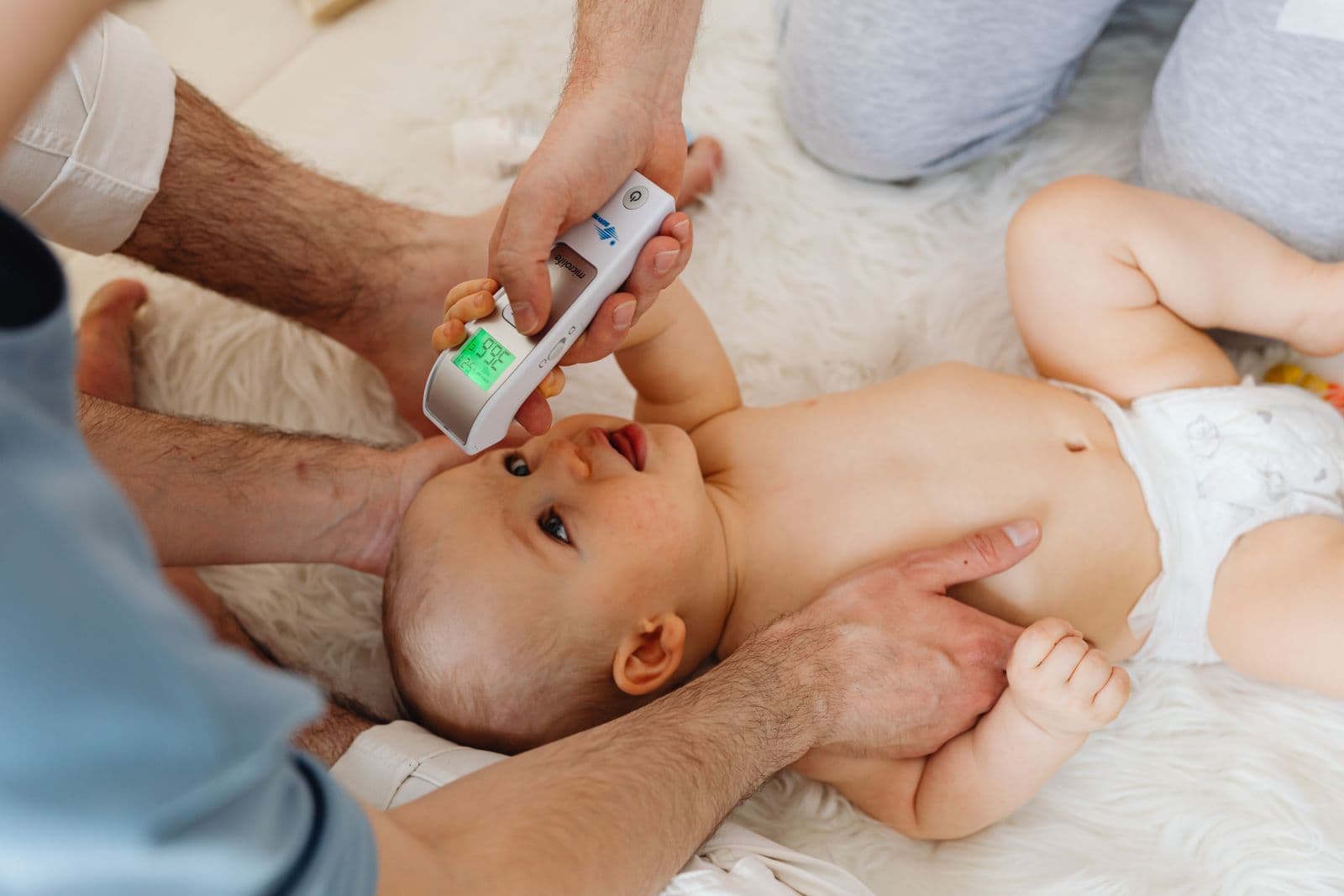

Quick answer: The newborn period is a baby's first 28 days. In this time, breastfeed within the first hour and then on demand (8-12 times in 24 hours), keep the baby warm with skin-to-skin contact, keep the cord stump clean and dry, and lay the baby on the back to sleep. Take the baby to a doctor at once for poor feeding, fast breathing, fever, a very low temperature or worsening yellowness.
How should I feed a newborn?
WHO and UNICEF recommend starting breastfeeding within the first hour after birth and feeding only breast milk for the first six months. The first milk (colostrum) is thick and small in quantity, but it is full of antibodies and is all a healthy newborn needs.
- Feed on demand, usually 8-12 times in 24 hours, including at night.
- Do not give water, honey, sugar water, gripe water or formula unless a doctor has advised it.
- From about day 5-6, expect 6 or more wet nappies a day. This is the easiest sign that the baby is getting enough milk.
Before you leave hospital, ask the midwife or doctor to check that the baby's latch is good and that you are comfortable feeding.
Breast milk alone is all a baby needs until 6 months; when that time comes, see how to start solid foods at 6 months.
How do I keep a newborn warm and clean?
- Skin-to-skin (kangaroo) contact: place the baby, in just a nappy, on your bare chest and cover both of you. It keeps the baby warm, calms them and helps breastfeeding.
- Clothing: dress the baby in one more layer than you would wear yourself, and add a cap and socks in cool weather. Avoid overheating in summer.
- Bathing: WHO advises delaying the first bath for at least 24 hours. Until the cord stump falls off, wipe the baby gently with a clean, damp, warm cloth rather than a full bath.
How do I care for the umbilical cord?
Keep the stump clean and dry, and fold the nappy below it so air can reach it. Wash your hands before handling it. Do not apply powder, oil, ghee, ash, kajal or any ointment unless a doctor advises, because these can cause infection. The stump usually dries up and falls off in about 1-3 weeks.
How should a newborn sleep?
Newborns sleep about 14-17 hours a day in short stretches. For safety:
- Always lay the baby on the back, on a firm, flat surface.
- Keep the cot or sleeping space in the parents' room, but not in the same bed.
- Keep pillows, loose blankets, bumpers and soft toys out of the sleeping area.
Is yellow skin (jaundice) normal?
Mild jaundice is common in newborns, usually appearing on days 2-5 and fading by about 2 weeks. Sunlight is not a reliable treatment, so do not rely on putting the baby in the sun. See a doctor if:
- the yellowness appears in the first 24 hours of life;
- it spreads to the belly, legs or soles;
- the baby is unusually sleepy or feeds poorly;
- the urine is dark or the stools are pale;
- it is still there after 2 weeks.
If jaundice is suspected, a doctor can check the level with a blood test and decide whether light treatment (phototherapy) is needed. Feeding the baby often also helps the body clear the yellow pigment.
What should I never put on or in a newborn?
Do not put kajal or surma (some can contain lead), oil, milk or any drops in a newborn's eyes, nose or ears. Do not apply talc or powder on the cord either. If the eyes are sticky or the nose is blocked, ask a doctor what is safe.
Which vaccines does a newborn need?
BCG is given at birth, and further doses follow the national Expanded Programme on Immunization (EPI) schedule. Keep the vaccination card safe and bring it to every visit. A little fussiness or mild fever for a day or two after vaccines can happen, but fever in a baby under 3 months always needs a doctor.
Any temperature of 38 °C or above in a baby under 3 months needs a doctor the same day; our guide on fever in babies and what parents should do explains how to measure it and what to watch for.
When should I see a doctor or go to hospital?
Newborns can become seriously ill quickly. Go to a doctor or hospital straight away (call 999 in an emergency) if the baby has any of these WHO danger signs:
- feeding poorly or not at all;
- convulsions (fits);
- fast breathing (60 or more breaths a minute) or severe chest indrawing;
- fever (37.5 C or above) or a low temperature (below 35.5 C);
- moving only when stimulated, or unusually floppy;
- yellow palms and soles;
- pus, redness or a bad smell around the cord;
- blue lips.
The mother also needs care. See a doctor for heavy bleeding (soaking a pad in an hour), fever, severe headache, foul-smelling discharge, or low mood that lasts more than 2 weeks. If you cannot reach a clinic quickly, you can use an online doctor consultation for advice on what to do next, but do not delay hospital care for danger signs.
For feeding supplies, nappies and skincare designed for infants, see the baby care range, and ask your doctor or pharmacist if you are unsure about any product for a newborn.
References
This article is for general awareness only and is not a substitute for advice from a qualified doctor. If your baby seems unwell, seek medical care promptly.