10% Off
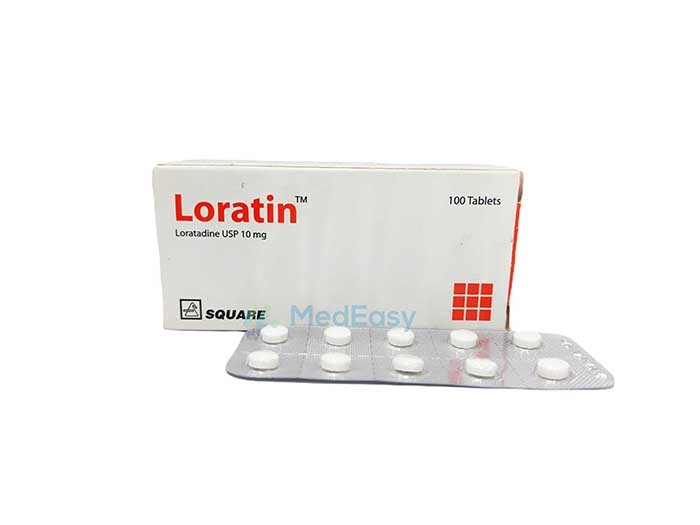
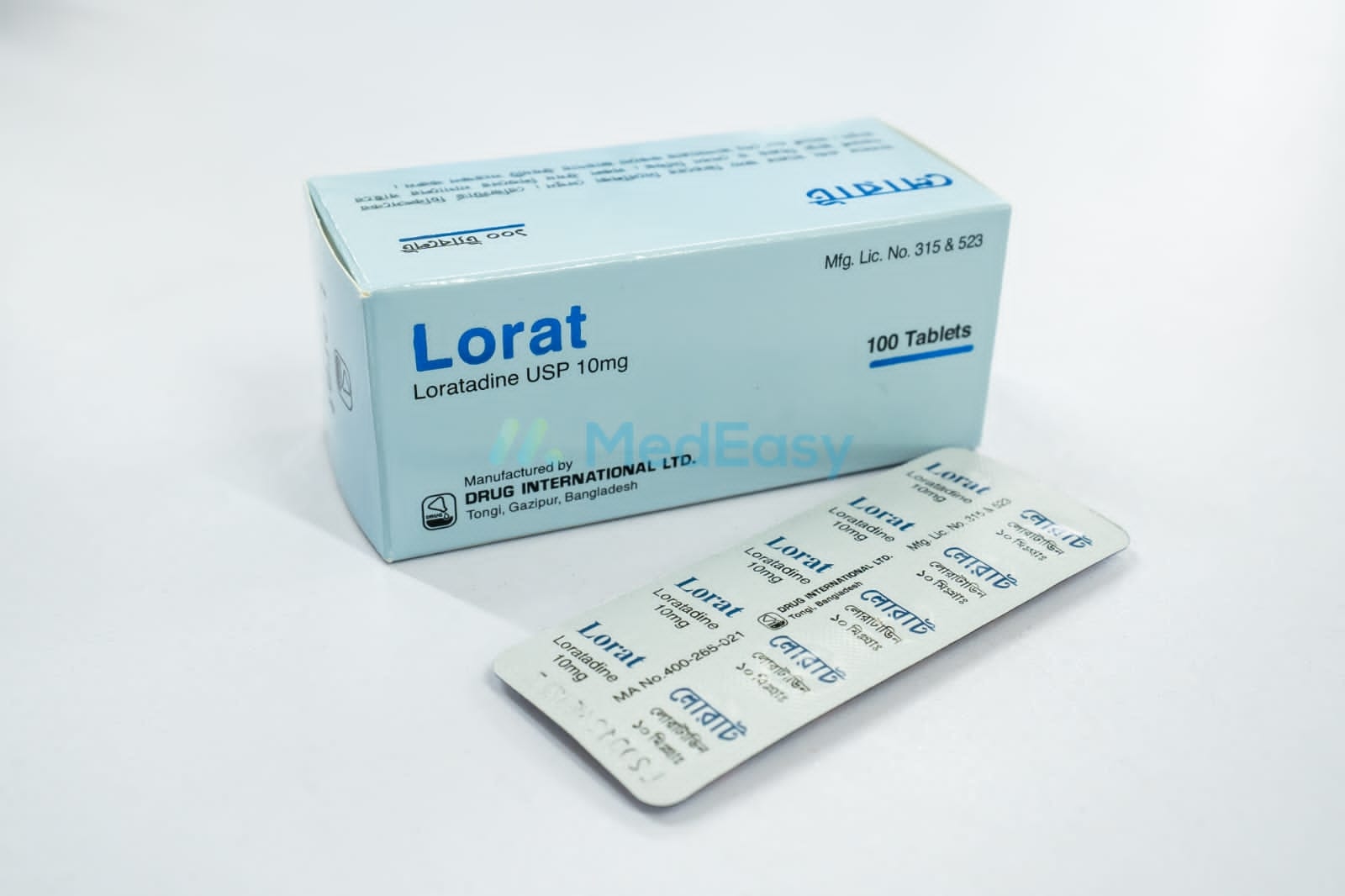
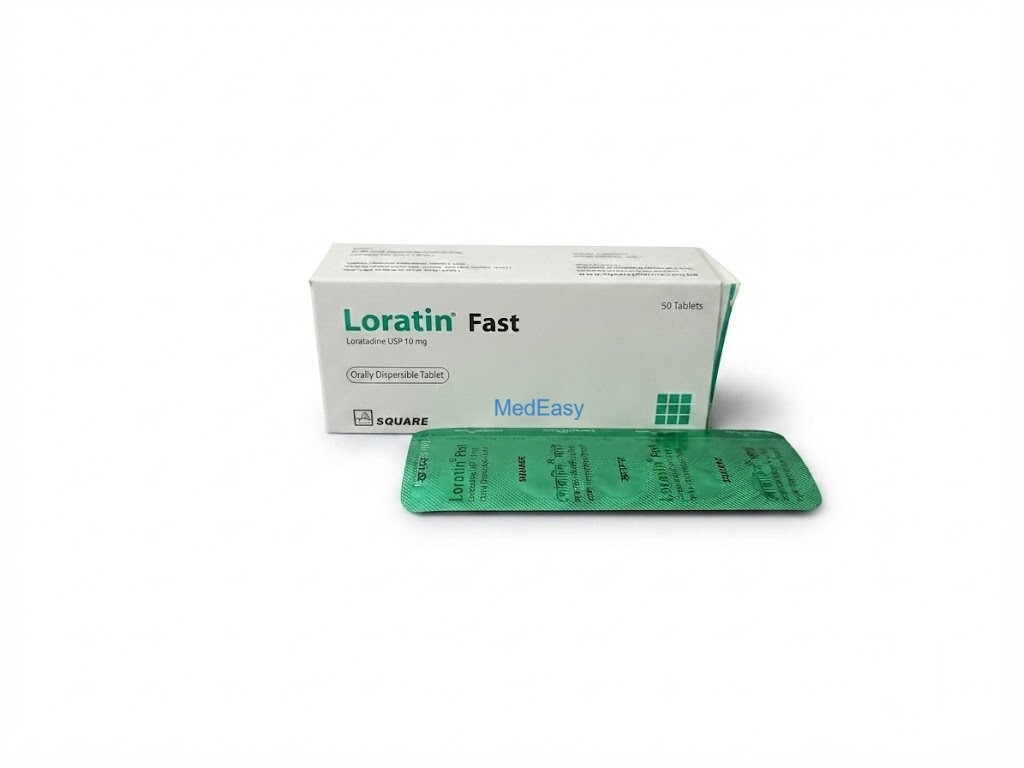
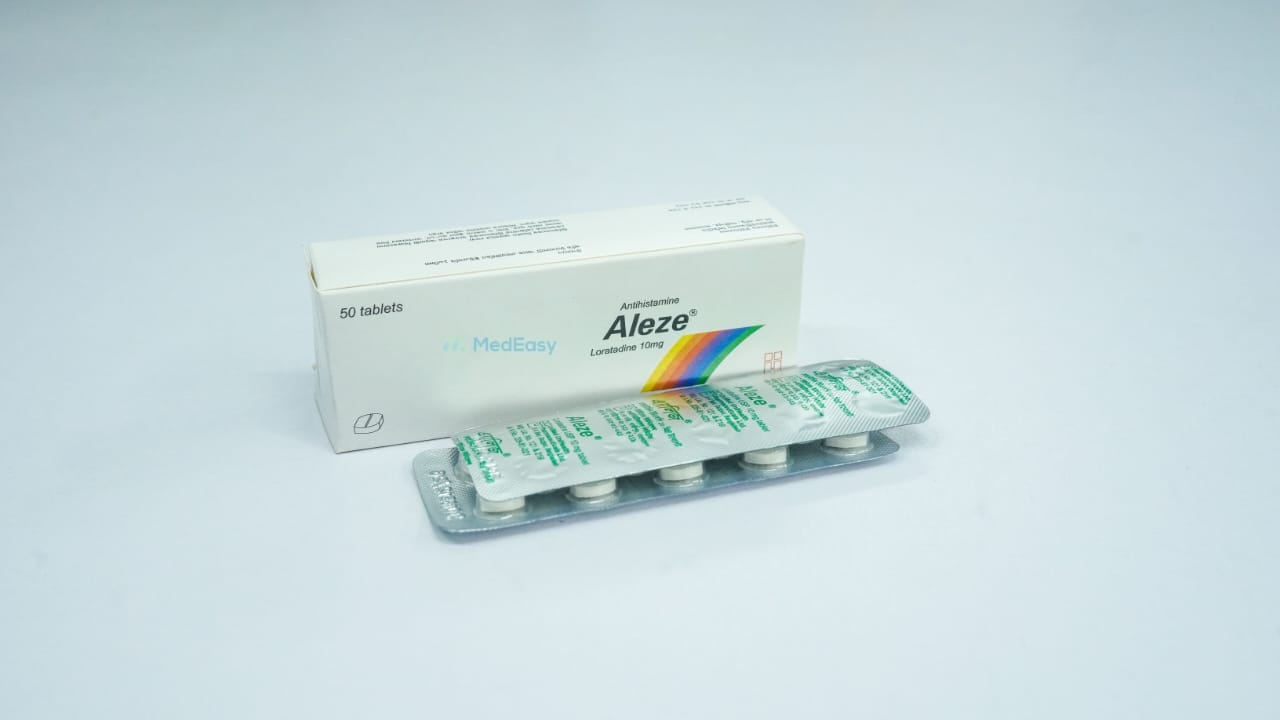
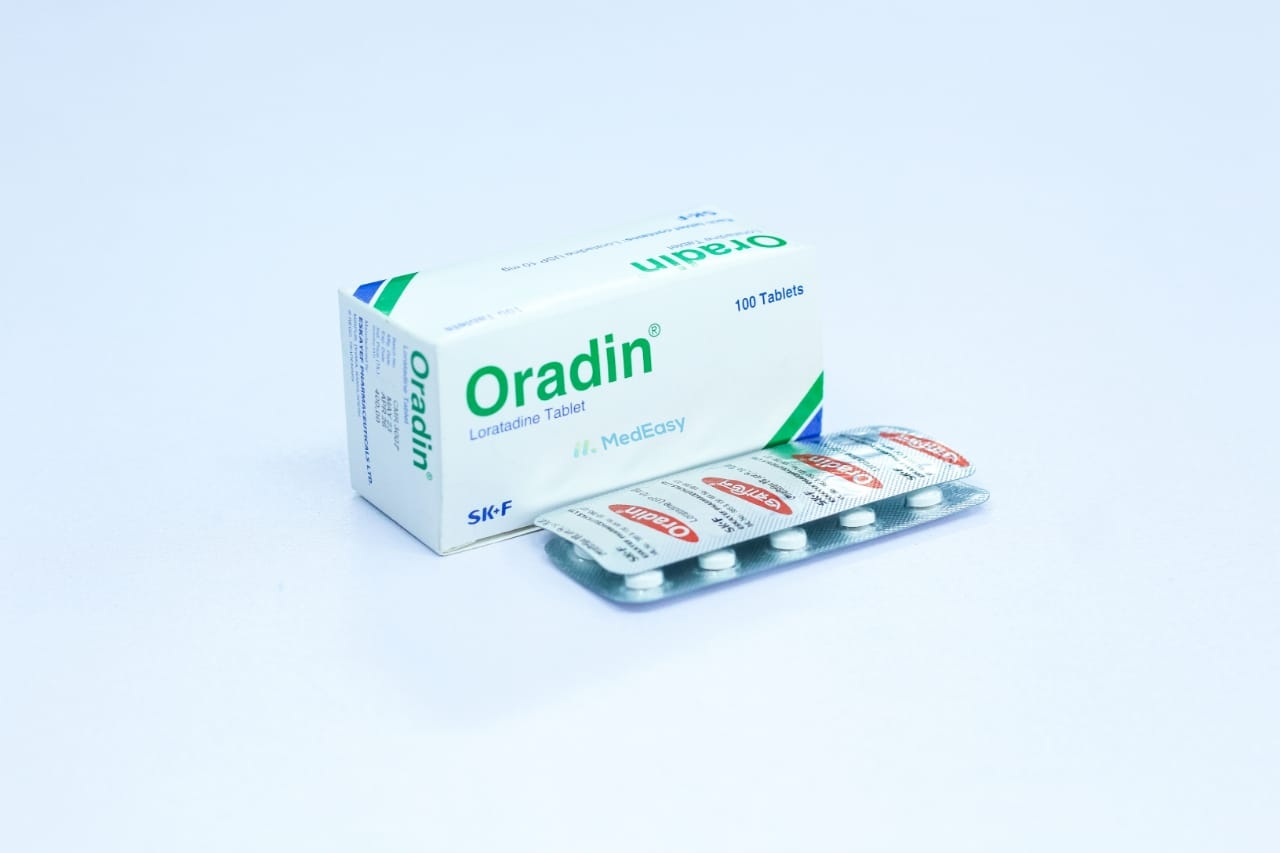
Oradin10 mg
Eskayef Bangladesh Ltd.
৳36.00
Add to cart
Allergic Rhinitis Loratadine is an established, guideline-supported treatment for the relief of symptoms associated with seasonal (hay fever) and perennial allergic rhinitis, including sneezing and more.
Loratadine is an established, guideline-supported treatment for the relief of symptoms associated with seasonal (hay fever) and perennial allergic rhinitis, including sneezing, runny nose, itchy or watery eyes, and itching of the nose or throat. Loratadine works alone (monotherapy) for these symptoms and does not require combination therapy for typical seasonal or perennial allergic rhinitis.
Loratadine is established and guideline-recommended as a first-line option for chronic idiopathic urticaria, reducing the number, size, and itch of hives. Some patients with inadequate response may require dose adjustment or add-on therapy under a doctor's supervision (requires-combination-therapy in refractory cases) — this is a decision for the prescribing physician, not a self-directed change.
Loratadine may provide adjunct symptomatic relief of itching in other allergic skin conditions, but Loratadine is not a primary treatment for the underlying skin disease itself and should be used alongside, not instead of, condition-specific therapy directed by a doctor.
Loratadine has limited off-label use (for example, adjunct management of certain drug-induced skin reactions or bone pain associated with certain treatments), based on small studies or case reports only; these uses are not FDA-approved and should only be considered under specialist guidance.
Dosing of Loratadine should always be determined by a healthcare professional and is not the same for every patient — the correct regimen depends on the indication being treated, the patient's age, and organ function. The general regimens below reflect commonly recommended dosing but do not replace individualized medical advice.
Headache, dry mouth, fatigue or tiredness, and gastrointestinal upset (such as nausea, abdominal discomfort) have been reported with Loratadine, generally at rates similar to placebo in clinical trials. Mild drowsiness can occur in some people even though Loratadine is classed as non-sedating.
Seek prompt medical attention if any of the following occur with use of Loratadine: signs of an allergic reaction (rash, hives, swelling of the face/lips/tongue/throat, difficulty breathing); fast or irregular heartbeat; or fainting. These reactions are uncommon but require urgent evaluation. See Precautions and Warnings and Overdose Effects for further detail.
Loratadine is contraindicated in patients with known hypersensitivity to Loratadine or to any component of the Loratadine formulation.
Disclaimer
The information provided is accurate to the best of our knowledge, but it does not replace professional medical advice. We cannot guarantee its completeness or accuracy, and the absence of specific information about a drug should not be taken as an endorsement. We are not responsible for any consequences arising from this information, so please consult a healthcare professional for any concerns or questions.