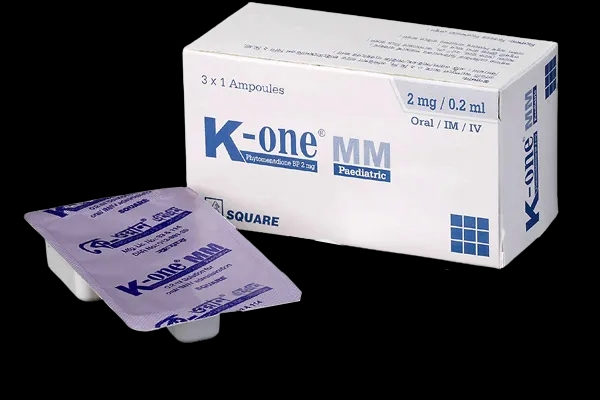
Generic medicine

Phytomenadione: Brands, Price & Uses in Bangladesh

Phytomenadione is a fat-soluble vitamin (Vitamin K1) used to prevent and treat bleeding problems that result from low levels of vitamin K-dependent clotting factors.

Forms:InjectionCapsule

About Phytomenadione

Indications of Phytomenadione

Phytomenadione is a fat-soluble vitamin (Vitamin K1) used to prevent and treat bleeding problems that result from low levels of vitamin K-dependent clotting factors.

Established/Approved Uses

  • Prevention of hemorrhagic disease of the newborn (HDN): routine prophylactic administration to newborns shortly after birth, as recommended by pediatric guidelines.
  • Treatment of hemorrhagic disease of the newborn and vitamin K deficiency bleeding in infants.
  • Hypoprothrombinemia caused by vitamin K deficiency or interference with vitamin K activity, including reversal of excessive anticoagulant effect of warfarin and other vitamin K antagonists (coumarin-type anticoagulants).
  • Vitamin K deficiency due to malabsorption (e.g. biliary obstruction, celiac disease, cystic fibrosis, chronic diarrhea) or other conditions limiting vitamin K absorption/synthesis.

Adjunct / Supportive Use

  • As part of supportive management in patients on prolonged broad-spectrum antibiotic therapy or parenteral nutrition who develop vitamin K deficiency.

Use of Phytomenadione should always be guided by a physician, particularly when it is being used to reverse anticoagulation, since this may affect ongoing anticoagulant therapy.

Dosage & Administration of Phytomenadione

Dosing of Phytomenadione must be individualized by a physician based on the indication, severity, patient age, and response (guided by PT/INR monitoring where relevant).

IndicationTypical Adult DoseTypical Pediatric/Neonatal Dose
Prevention of hemorrhagic disease of the newbornNot applicableSingle dose of 0.5-1 mg by intramuscular injection shortly after birth (per pediatric guidance), or an oral regimen if IM injection is declined
Treatment of vitamin K deficiency bleeding / hypoprothrombinemia (e.g. malabsorption)5-10 mg orally, IM, or SC; repeated based on PT/INR responseDose individualized by weight and severity, guided by a pediatrician
Reversal of excessive warfarin/vitamin K antagonist effectDose (typically 1-10 mg, oral or slow IV depending on INR level and presence/severity of bleeding) individualized according to current anticoagulation guidelines and INRIndividualized by a pediatric specialist

Route of Administration

  • Oral and intramuscular (IM)/subcutaneous (SC) routes are generally preferred.
  • Intravenous (IV) administration should be reserved for situations where oral/IM/SC routes are not suitable, and must be given by slow IV injection/infusion (diluted, not as a rapid bolus), because rapid IV injection has been associated with rare but severe, sometimes fatal, anaphylactoid reactions. See Precautions and Warnings.

Renal/Hepatic Impairment

No specific dose adjustment is well established for renal impairment. In significant hepatocellular disease, response to Phytomenadione may be reduced because the liver's capacity to synthesize clotting factors is itself impaired; response should be monitored clinically and with coagulation tests.

Side Effects of Phytomenadione

Most side effects of Phytomenadione are mild and related to the injection site; serious reactions are rare but can occur, particularly with intravenous use.

  • Common: pain, redness, swelling, or tenderness at the injection site (IM/SC use); a transient "peculiar" taste (oral).
  • Uncommon: flushing, dizziness, or mild hypotension, more often reported with IV administration.
  • Rare but serious: anaphylactoid/anaphylactic reactions (including flushing, chest tightness, dyspnea, cyanosis, hypotension, cardiac/respiratory arrest), reported particularly with rapid IV injection and occasionally fatal — see Precautions and Warnings.
  • Rare (neonates): hyperbilirubinemia has been reported historically with high or repeated doses of vitamin K in newborns, particularly preterm infants.

Contraindications of Phytomenadione

Phytomenadione is contraindicated in patients with known hypersensitivity to phytomenadione or to any component of the formulation used.

Frequently Asked Questions about Phytomenadione

What is Phytomenadione used for?

Phytomenadione (vitamin K1) is used to prevent and treat bleeding problems caused by low vitamin K levels, including hemorrhagic disease of the newborn and bleeding due to vitamin K deficiency or an overdose of warfarin-type anticoagulants.

Why do newborns receive Phytomenadione at birth?

Newborns have naturally low vitamin K stores and are at risk of serious bleeding (hemorrhagic disease of the newborn). A single dose of Phytomenadione, usually given by injection shortly after birth, is a well-established preventive measure recommended by pediatric guidelines.

Is intravenous Phytomenadione safe?

Intravenous Phytomenadione carries a rare but serious risk of severe allergic-type (anaphylactoid) reactions, especially if injected quickly. For this reason, oral, intramuscular, or subcutaneous routes are preferred when possible, and any necessary IV dose must be given slowly by a healthcare professional, with monitoring.

Can Phytomenadione be used with warfarin?

Phytomenadione is often used specifically to reverse excessive warfarin effect (high INR or bleeding). However, if a patient still needs to be anticoagulated, Phytomenadione can reduce or reverse that needed effect, so the dose must be carefully individualized by a physician.

Is Phytomenadione safe in pregnancy and breastfeeding?

Phytomenadione is generally considered safe in pregnancy and breastfeeding when used as directed, and is routinely given to newborns at birth. Even so, it should be used only under a physician's guidance regarding the right dose and necessity.

What should I do if I suspect an overdose or a severe reaction to Phytomenadione?

Seek immediate medical attention or contact emergency services/poison control right away. Do not try to manage a suspected overdose or a severe reaction (such as difficulty breathing or a sudden drop in blood pressure) at home.

Disclaimer

The information provided is accurate to the best of our knowledge, but it does not replace professional medical advice. We cannot guarantee its completeness or accuracy, and the absence of specific information about a drug should not be taken as an endorsement. We are not responsible for any consequences arising from this information, so please consult a healthcare professional for any concerns or questions.

DoctorBlogArticles