Generic medicine

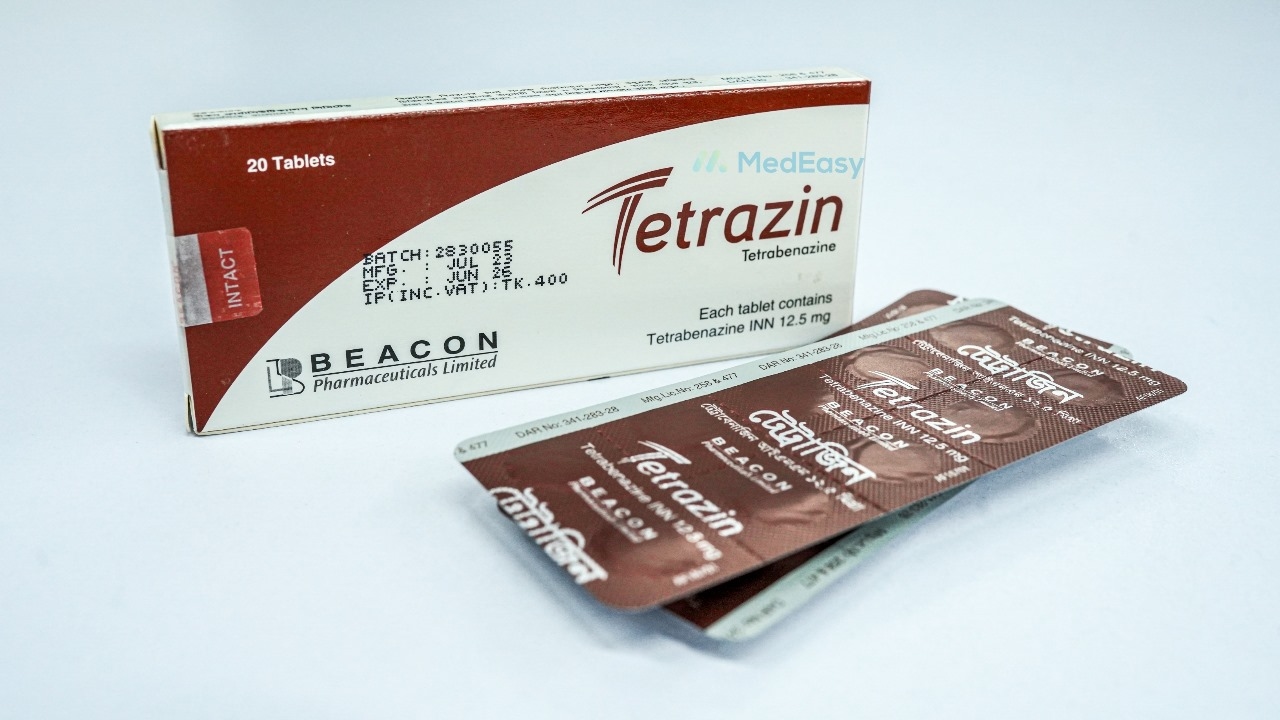
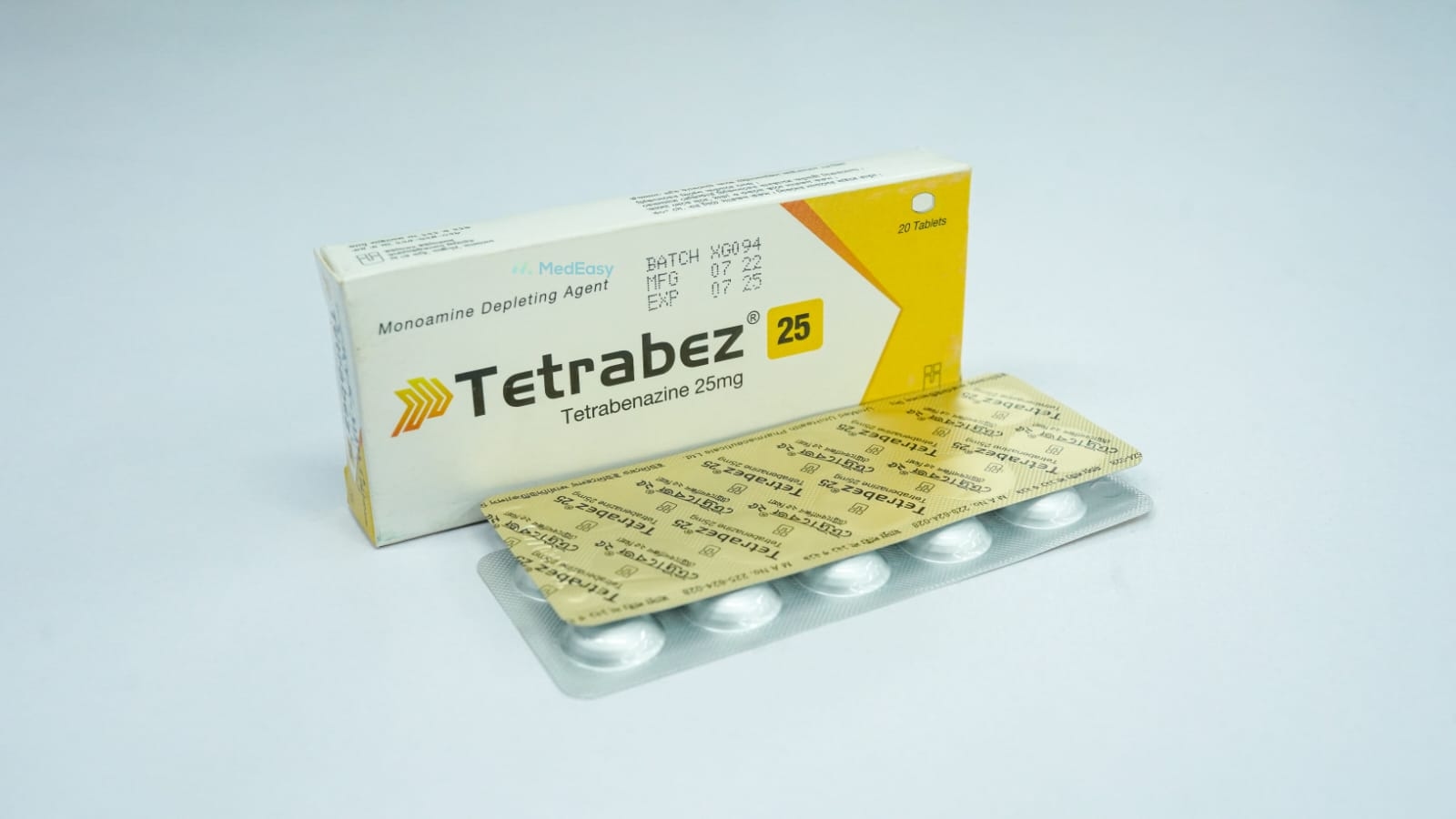
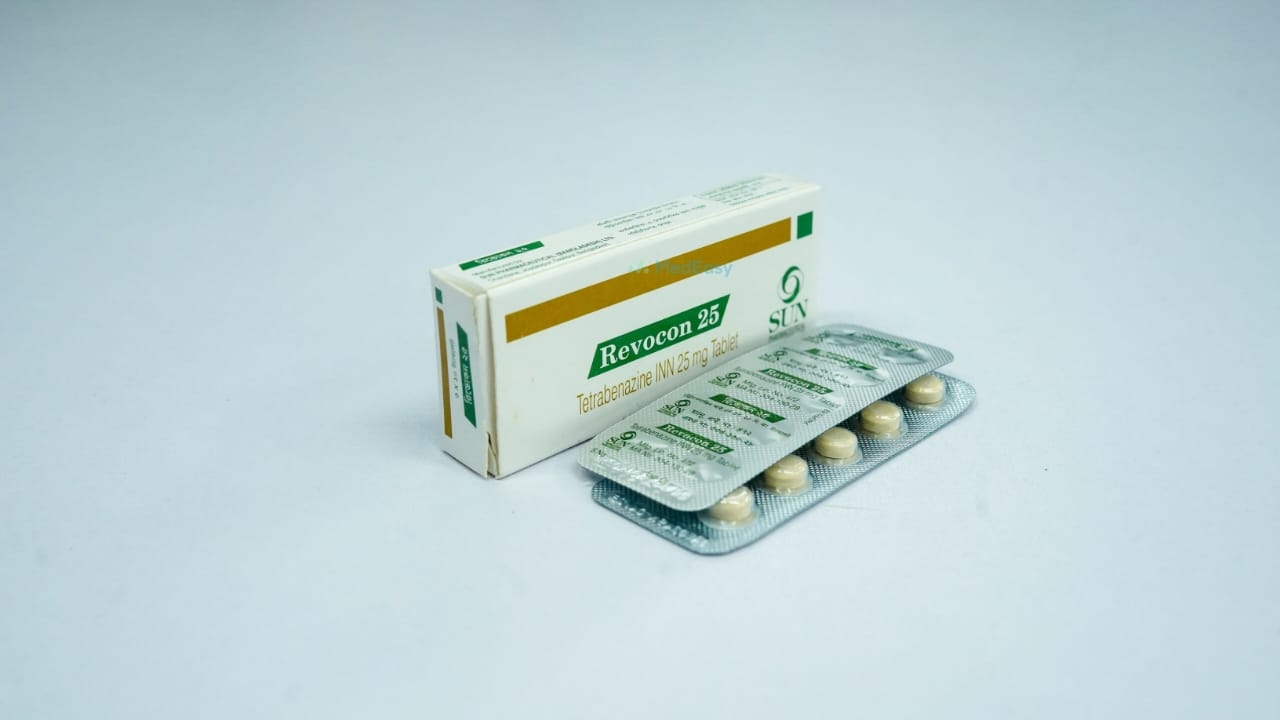
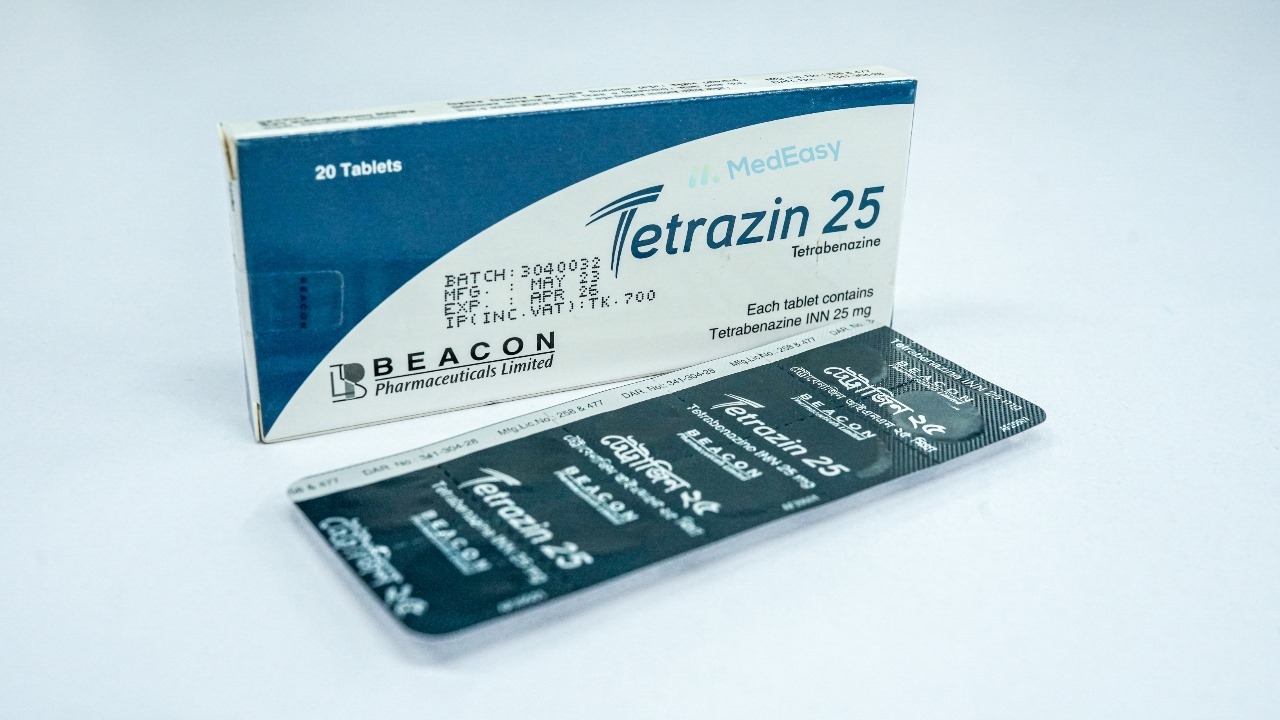
Tetrabenazine: Brands, Price & Uses in Bangladesh

Tetrabenazine is a vesicular monoamine transporter 2 (VMAT2) inhibitor used to reduce abnormal involuntary movements caused by excess dopaminergic signalling.

Forms:Tablet

About Tetrabenazine

Indications of Tetrabenazine

Tetrabenazine is a vesicular monoamine transporter 2 (VMAT2) inhibitor used to reduce abnormal involuntary movements caused by excess dopaminergic signalling.

Established / FDA-approved use

  • Chorea associated with Huntington's disease — Tetrabenazine is approved for the treatment of chorea (involuntary, irregular movements) in adults with Huntington's disease. This is the only formally FDA-approved indication for Tetrabenazine.

Guideline-supported / regionally used, off-label indication

  • Tardive dyskinesia — Tetrabenazine has long been used off-label (and carries specific regulatory approval for this indication in some countries/formulations) to reduce involuntary orofacial and limb movements caused by chronic antipsychotic or dopamine-blocking drug use. Newer, more selective VMAT2 inhibitors (e.g., deutetrabenazine, valbenazine) are now specifically labelled for tardive dyskinesia in several markets and are generally preferred where available; Tetrabenazine may still be used where those agents are unavailable or per treating physician judgement.

Other movement disorders (e.g., tics in Tourette syndrome, hemiballismus, dystonia) have been treated with Tetrabenazine off-label in limited case series; evidence is weaker and use should be individualized by a specialist.

Dosage & Administration of Tetrabenazine

Tetrabenazine dosing is individualized and requires slow upward titration to find the lowest dose that adequately controls chorea with acceptable tolerability. Treatment should be initiated and monitored by a physician experienced in managing Huntington's disease.

Adult dosing — chorea associated with Huntington's disease

StepRegimen
Starting dose12.5 mg once daily
Week 225 mg/day, given as 12.5 mg twice daily
Subsequent titrationIncrease by 12.5 mg/day at weekly intervals as needed and tolerated, given in 2–3 divided doses
Maximum dose — normal/extensive or intermediate CYP2D6 metabolizersUp to 100 mg/day (single dose not to exceed 37.5 mg); doses above 50 mg/day require prior CYP2D6 genotype testing
Maximum dose — CYP2D6 poor metabolizers or patients on strong CYP2D6 inhibitors50 mg/day (single dose not to exceed 25 mg)

If chorea worsens or intolerable side effects (notably sedation, depression, or parkinsonism — see Precautions and Side Effects) occur during titration, doses should be reduced or held. If Tetrabenazine is interrupted for more than 5 days, re-titration from the starting dose is generally required.

Off-label use in tardive dyskinesia

When used off-label for tardive dyskinesia, similarly cautious, low-and-slow titration is used, individualized by the prescribing physician; there is no single standardized regimen for Tetrabenazine in this indication.

Renal/hepatic adjustment

Tetrabenazine is contraindicated in hepatic impairment (see Contraindications). No dedicated dose adjustment has been established for renal impairment, but caution is advised since metabolites are renally eliminated.

Side Effects of Tetrabenazine

Tetrabenazine commonly causes dose-related adverse effects related to its monoamine-depleting mechanism:

FrequencyEffects
Very commonSedation/drowsiness, fatigue
CommonDepression (see Precautions and Warnings), insomnia, anxiety, akathisia (restlessness), parkinsonism (rigidity, slowed movement, tremor), nausea, dizziness
Less common but seriousSuicidal ideation/behavior, QT interval prolongation, orthostatic hypotension with risk of falls/syncope, hyperprolactinemia
Rare but seriousNeuroleptic malignant syndrome (NMS) — fever, muscle rigidity, altered mental status, autonomic instability; requires immediate discontinuation and emergency care

Patients should report new or worsening mood changes, suicidal thoughts, unusual muscle stiffness, fainting, or palpitations to their physician promptly.

Contraindications of Tetrabenazine

Tetrabenazine is contraindicated in:

  • Known hypersensitivity to Tetrabenazine or any component of the formulation.
  • Patients who are actively suicidal, or who have untreated or inadequately treated depression, because of Tetrabenazine's own risk of causing or worsening depression and suicidal ideation (see Precautions and Warnings).
  • Hepatic impairment of any degree, due to markedly increased drug exposure from reduced metabolism.
  • Concomitant use with monoamine oxidase inhibitors (MAOIs), or within 14 days of stopping an MAOI.
  • Concomitant use with reserpine, or within about 20 days of stopping reserpine.
  • Concomitant use with other VMAT2 inhibitors (e.g., deutetrabenazine, valbenazine).

Frequently Asked Questions about Tetrabenazine

What is Tetrabenazine used for?

Tetrabenazine is mainly used to treat chorea (involuntary, irregular movements) associated with Huntington's disease. It is also used off-label in some patients for tardive dyskinesia, a movement disorder caused by long-term antipsychotic medicine use, though newer agents are often preferred for that specific use.

Can Tetrabenazine cause depression or suicidal thoughts?

Yes. Tetrabenazine carries a well-established boxed warning because it can cause or worsen depression and increase the risk of suicidal thoughts and behavior, particularly important since Huntington's disease itself increases suicide risk. Tetrabenazine must not be used in patients who are actively suicidal or have untreated depression, and anyone taking it should tell their doctor immediately about new or worsening mood changes or suicidal thoughts.

Who should not take Tetrabenazine?

Tetrabenazine should not be used by people who are hypersensitive to it, have any degree of liver impairment, are actively suicidal or have untreated/inadequately treated depression, or who are taking (or have recently taken) monoamine oxidase inhibitors (MAOIs), reserpine, or another VMAT2 inhibitor such as deutetrabenazine or valbenazine.

How is the dose of Tetrabenazine adjusted?

Tetrabenazine is started at a low dose (12.5 mg once daily) and increased slowly, by 12.5 mg per week, under a physician's supervision, until chorea is adequately controlled with tolerable side effects. Patients requiring more than 50 mg/day may need CYP2D6 genetic testing, and the maximum dose is lower in people who are poor CYP2D6 metabolizers or who take strong CYP2D6-inhibiting medicines.

Is Tetrabenazine safe during pregnancy or breastfeeding?

Tetrabenazine should be used in pregnancy only if clearly needed, since data in humans are limited and animal studies have shown some risk; a physician should always be consulted. It is not known whether Tetrabenazine passes into breast milk, so a decision about breastfeeding versus continuing Tetrabenazine should be made with a physician, weighing the benefits and risks.

What should I do if I miss doses or stop Tetrabenazine suddenly?

Do not stop or skip doses of Tetrabenazine without medical advice, as chorea symptoms can return within 12–18 hours of stopping. If Tetrabenazine is missed for more than about 5 days, the dose usually needs to be re-titrated from the starting dose under physician guidance rather than resumed at the previous dose.

Disclaimer

The information provided is accurate to the best of our knowledge, but it does not replace professional medical advice. We cannot guarantee its completeness or accuracy, and the absence of specific information about a drug should not be taken as an endorsement. We are not responsible for any consequences arising from this information, so please consult a healthcare professional for any concerns or questions.

DoctorBlogArticles